How to Choose the Right Jaw Crusher Parts?
A jaw crusher works under repeated impact, compression, and abrasion. The right replacement part can support steady production, while a poor fit may cause uneven wear, excess downtime, or damage to nearby components. Choosing a Jaw Crusher Part is not just a matter of matching its name to a machine. Buyers should confirm the crusher model, serial number, dimensions, and installation requirements before ordering. Small differences matter. A jaw plate that looks correct in a photograph may not seat properly against the crusher frame.
The operating conditions deserve equal attention. Feed size, rock hardness, moisture, and the presence of abrasive minerals can all affect wear. So can the profile and material of the jaw plates. Check the manufacturer’s recommendations, then compare them with wear records, production targets, and advice from a qualified service technician. A part with a lower purchase price may cost more if it needs frequent replacement. Still, the most expensive option is not automatically the best one. That assumption deserves a second look.
This guide explains how to assess fit, material, wear patterns, supplier documentation, and total operating cost. It also highlights questions to ask before placing an order, such as whether the part meets the crusher’s specifications and comes with clear traceability. Good selection depends on evidence, not guesswork. Keep inspection notes, including photos of worn surfaces and replacement dates. Those details may reveal a pattern that is easy to miss during a busy shift.
Identify the Crusher Model and Its Operating Conditions
How to Choose the Right Jaw Crusher Parts?
Identify the Crusher Model and Its Operating Conditions
Start with the crusher’s exact model and configuration. Check the nameplate, equipment manual, and existing part markings. Jaw profiles, mounting holes, and dimensions can differ, even between machines with similar capacities. Measure the current parts where practical. Measure twice. A catalog match alone is not enough; confirm fit with a qualified technician before ordering.
Then consider how the crusher actually works. Record the closed-side setting, feed size, operating hours, and material type. Hard, abrasive rock can wear jaw plates faster than softer stone. Wet, sticky feed may cause buildup and uneven contact. Watch for changes in product size, vibration, or unusual noise. Small details matter.
Duty cycle also affects part selection. A unit running long shifts needs parts suited to sustained loading, while intermittent work may have different demands. Check whether the machine has been modified; older drawings may not reflect its current setup. It is tempting to choose the thickest plate for longer life, but that can change crushing performance or place extra strain on components. Review wear patterns after each inspection, and adjust the choice when the evidence points somewhere unexpected. I may be missing a site-specific detail, so keep operating records beside the parts list.
Determine Which Jaw Crusher Parts Need Replacement
Determine Which Jaw Crusher Parts Need Replacement
Start with the jaw plates, where repeated rock contact gradually rounds the teeth and reduces gripping ability. Look for uneven wear, deep grooves, cracks, or a noticeably thinner profile. Check cheek plates and the toggle plate for similar damage, looseness, or distortion. Look closely. A change in product size, lower throughput, or rising motor load can also signal wear, but none proves a part has failed. Compare measurements with the equipment’s service limits, and inspect both jaws; one-sided wear can point to alignment or feeding problems.
Tips: Shut down and isolate the crusher according to site procedures before inspection. Record plate thickness at the same marked points each time, and photograph suspicious areas. A simple log often reveals gradual wear better than memory.
Bearings and the pitman assembly deserve attention if you notice unusual heat, persistent vibration, or new knocking sounds. These symptoms can have several causes, so avoid replacing parts based on noise alone. Check lubrication, fasteners, and operating conditions, then ask a qualified technician to assess uncertain damage. A visual check can miss internal fatigue. That part is easy to overlook.
Compare Part Materials, Design, and Manufacturing Quality
Choosing jaw crusher parts starts with the feed, not a catalog label. High-manganese steel can work-harden under repeated impact, making it useful for tough, abrasive rock. Yet it may wear poorly when impact is low or feed is unusually fine. Alloy options may suit other conditions, but hardness alone is not a reliable shortcut. Check service records from similar materials and settings. Small differences matter.
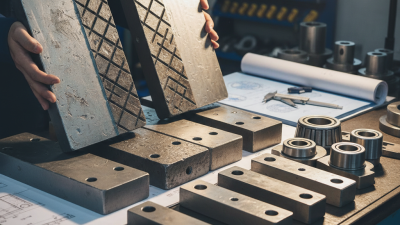
Tooth profile changes how material grips and breaks. A deep, narrow profile may help with slabby feed, while a broader profile can distribute wear more evenly. Neither shape is automatically best. Compare plate thickness, tooth spacing, and contact with the jaw seating surface. Poor contact can cause local stress, sometimes visible as uneven wear or cracks near the edges. Look closely.
Manufacturing quality means more than a clean surface. Ask how the part was cast, heat-treated, and inspected for cracks or dimensional variation. Consistent hardness through the working section matters; a hard outer layer over a softer core can wear unevenly. Verify dimensions against the machine drawing, and review batch traceability where available. I would not judge a part from one test alone. Field results can be messy, and recording change intervals is easy to neglect.
Verify Compatibility with the Crusher and Other Components
A jaw plate can match the crusher’s name and still fit poorly. Check the exact model, serial number, and chamber configuration against the parts drawing. Compare plate length, height, tooth profile, locating points, and fastening holes. Then confirm the cheek plates, toggle plate, and adjustment system leave the required clearance. Small differences matter. A plate that rocks on its seat may concentrate load and wear unevenly.
Compatibility also depends on the surrounding components. Check the feed opening, eccentric setting, and intended closed-side setting; a new profile can change how material enters and breaks. The U.S. Geological Survey’s Mineral Commodity Summaries 2024 estimated U.S. crushed-stone output at about 1.5 billion tons in 2023. That scale makes avoidable stoppages costly, though the report does not measure losses from mismatched parts. Keep the supplier’s drawing beside the machine record, and verify dimensions before installation.
Do not rely on appearance alone. Measure the old plate, but treat it as a reference, not proof; wear can distort its shape. Confirm material grade and approved fastener specifications for the specific crusher. I would recheck bolt seating after fitting, too. It is easy to rush. If drawings conflict or a component has been modified, pause and request written confirmation from a qualified technical source.
How to Choose the Right Jaw Crusher Parts: Verify Compatibility
Before ordering, verify each item against the crusher’s model documentation and the part being replaced. The chart is a compatibility checklist, not a performance or statistical comparison.
How to use it: Confirm the machine model, mounting interface, jaw profile, material specification, and operating setting before purchase. Requirements can vary by crusher and application, so consult the relevant technical documentation.
Evaluate Service Life, Maintenance Needs, and Total Cost
Choosing jaw crusher parts by service life starts with site records, not catalogue claims. Log tonnes crushed, feed size, rock abrasiveness, and closed-side setting for each set of jaw plates. The USGS Mineral Commodity Summaries 2024 estimated U.S. crushed-stone output at about 1.5 billion tons in 2023. That scale makes unplanned stoppages costly, but it does not predict an individual part’s life. Your own wear history is more useful. Check wear patterns and fasteners during inspections; uneven wear may signal a setting or alignment issue, not simply poor plate quality. Small details matter.
Maintenance needs change the cost comparison. A reversible plate may reduce replacement frequency, but only if the design and site procedure allow safe turning. Include labor, lifting time, downtime, and any lost production alongside the part price. Divide those costs by tonnes processed before replacement to compare cost per tonne. A low purchase price can look attractive on paper, then disappoint when changeouts are frequent. Keep the calculation simple, but revisit it after each wear cycle. It may still miss changing rock conditions, so record those too.