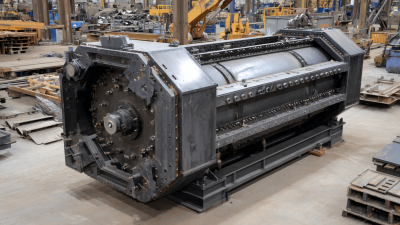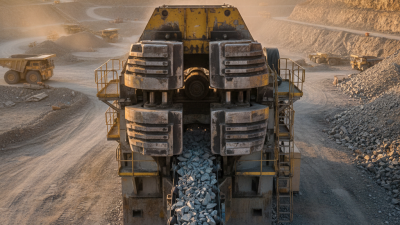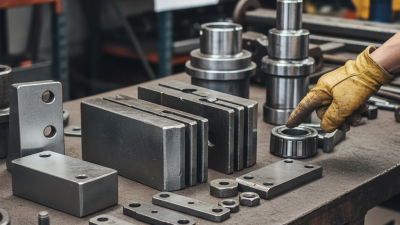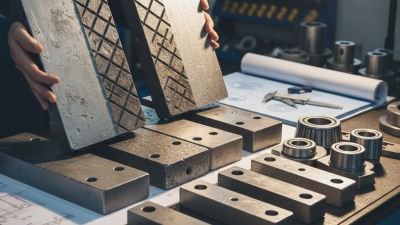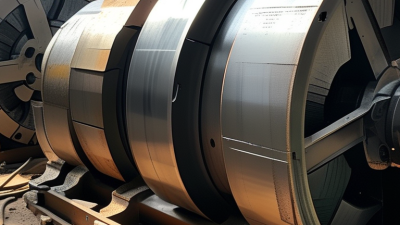
A Stone Crusher Moving Jaw is the central component that turns motor power into crushing force. It moves against a fixed jaw, compressing hard material until the rock fractures into smaller pieces. This action appears simple, but its performance depends on several connected parts. The eccentric shaft drives the pitman. The toggle plate transfers motion. The flywheel helps maintain momentum. The jaw liners receive the direct impact.
Mineral-processing author Dr. Barry A. Wills explains the basic principle: “Jaw crushing works by compressing rock between a fixed plate and a moving plate.” This description is concise, yet it leaves out important field details. The Stone Crusher Moving Jaw does not travel in a perfectly straight line. It follows a slight elliptical path, creating both compression and limited rubbing. That movement helps release crushed material through the discharge opening.
A practical inspection begins with the jaw profile, liner condition, and closed-side setting. A worn liner can increase product size and reduce crushing efficiency. Loose bearings may produce heat, vibration, and an uneven crushing sound. Stop the machine before checking anything. Safety matters more than speed.
The feed should enter evenly. Oversized rocks can damage the jaw assembly or overload the drive system. Moist, sticky material may also block the chamber. Real sites are rarely ideal. A clean diagram cannot show every problem. Operators must compare the design with actual wear, feed hardness, and production demands. This article examines how the moving jaw operates, why its geometry matters, and which maintenance signs deserve attention.
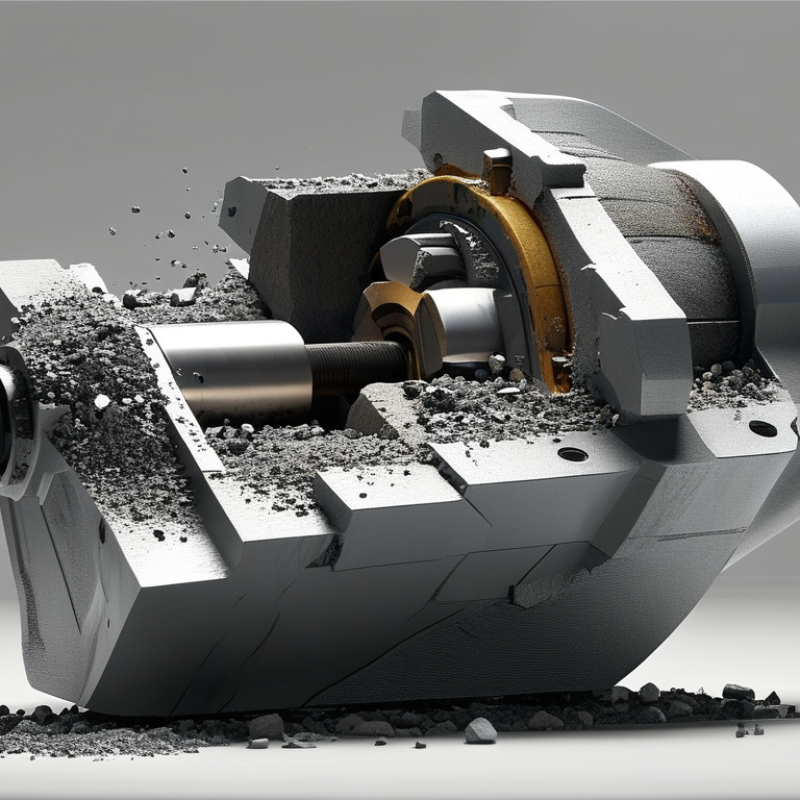
A stone crusher moving jaw is the movable crushing plate inside a jaw crusher.
It works opposite a fixed jaw. The moving jaw receives force from an eccentric shaft, which converts rotation into repeated swinging motion. It is not a blade. It compresses rock against the fixed jaw until the material breaks.
In a working quarry, the jaw opens slightly as the shaft turns. Rock then drops into the crushing chamber. The jaw closes and applies pressure through the pitman and toggle plate.
Smaller pieces fall through the lower opening. Operators adjust this opening to control product size. The moving jaw usually carries replaceable wear plates, because sharp stone can remove metal quickly.
I have found that uneven wear often signals poor feeding, excessive fines, or incorrect alignment.
The scale is substantial. The U.S. Geological Survey estimated about 1.5 billion metric tons of crushed stone production in the United States during 2023, according to Mineral Commodity Summaries 2024. That volume explains why jaw design affects energy use, maintenance, and plant availability.
A technical report from the European Aggregates Association also emphasizes consistent feed and routine inspection for reliable crushing performance. Still, published figures vary by country and reporting method.
A moving jaw may appear simple, but its real performance depends on material hardness, moisture, feed grading, and operator adjustment. Small mistakes matter.
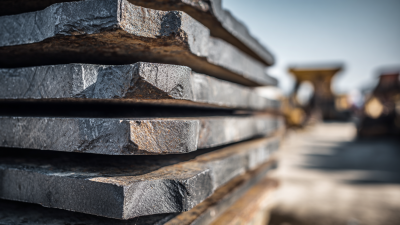
The moving jaw is the working half of a jaw crusher. It faces the fixed jaw inside a V-shaped crushing chamber. An eccentric shaft drives the moving jaw through a pitman mechanism. As the shaft rotates, the jaw swings toward the fixed jaw and then retracts. Material is compressed, fractured, and released downward through the discharge opening.
The fit between both jaws controls crushing performance. The lower gap sets the approximate product size, while the upper chamber accepts larger rocks. A toggle plate transfers force and provides a safety break point during overloads. The U.S. Geological Survey’s Mineral Commodity Summaries 2024 reported about 1.5 billion metric tons of crushed stone production in the United States during 2023. That scale explains why small alignment errors can create significant downtime.
A practical inspection checks the jaw die contact pattern, toggle seating, shaft bearings, and discharge setting. Uneven wear often indicates poor feeding, loose mounting, or material entering at an angle. It is not simply a stronger-jaw problem. The moving jaw must remain synchronized with the eccentric shaft and flywheel. Otherwise, vibration increases and energy is wasted. The U.S. Geological Survey also identifies construction demand as a major driver of crushed-stone use, but operating conditions vary sharply between quarries. One setting rarely fits every site. That point is easy to underestimate.
A moving jaw does more than swing back and forth. It compresses rock against a fixed jaw during each crushing cycle. The main driver is the eccentric shaft, which turns inside bearings and creates an offset motion. A pitman connects this shaft to the jaw, converting rotation into a forward and backward path. The motion is simple. But load changes are severe.
Toggle plates transfer force from the pitman to the moving jaw. They also help protect the assembly when uncrushable material enters the crushing chamber. Flywheels store rotational energy, smoothing the shaft as the jaw bites hard rock. Heavy-duty bearings support the shaft, while tension rods and springs help keep the jaw aligned. Replaceable jaw dies form the crushing surfaces. Their profile affects material grip, product shape, and wear rate.
In field inspections, uneven die wear often points to poor feeding, misalignment, or loose hardware. Checking bearing temperature, shaft play, and toggle contact can reveal trouble before damage spreads. Operators should follow the equipment manual and use measured settings instead of visual guesses. Still, no inspection catches everything. Moisture, feed size, and operating habits can change the result. Small errors matter. A slightly loose connection may later create vibration, heat, and accelerated wear. During maintenance, stored spring energy also requires careful control and proper isolation.
A stone crusher moving jaw is the swinging plate inside a jaw crusher. It works with a fixed jaw to compress rock into smaller pieces. The moving jaw is connected to an eccentric shaft, which changes rotation into a controlled forward-and-back motion. This movement creates the crushing action.
The process begins when feed material enters the top chamber. As the moving jaw closes, large stones are pressed against the fixed jaw. Cracks form inside the rock, and the pieces break along weaker surfaces. When the jaw pulls away, crushed material falls lower through the chamber. The next closing stroke compresses it again. This cycle continues until the fragments reach the set discharge opening, often called the closed-side setting.
The process is not perfectly uniform. Moisture, stone shape, and uneven feeding can change the output. In field work, operators often hear unusual knocking before seeing a serious problem. That detail should not be ignored.
Tips: Keep the feed chamber evenly loaded. Avoid metal or oversized pieces. Check the toggle plate, jaw dies, shaft bearings, and discharge setting during routine inspections. A slightly worn jaw profile can reduce capacity and increase energy use. Measure results instead of relying only on appearance. Small adjustments matter.
The moving jaw applies compressive force as it advances toward the fixed jaw. As the jaw retracts, crushed material moves downward by gravity. The chart shows representative material-size stages in a primary jaw-crushing process.
Key point: The discharge size is mainly controlled by the closed-side setting (CSS), which is the narrowest distance between the moving and fixed jaws during the crushing cycle.
A moving jaw crusher uses a fixed jaw and a swinging jaw to break large feed material. An eccentric shaft drives the moving jaw in a repeated compressive motion. Rock enters from above, becomes trapped, and fractures as the jaw closes. The crushed pieces fall through the discharge opening when the jaw moves away. Output size depends on jaw setting, feed grading, and operating speed.
Common materials include granite, basalt, limestone, sandstone, and other quarried rock. These machines also process concrete blocks, demolition debris, bricks, and recycled asphalt. Granite and basalt demand strong wear-resistant jaw plates because their surfaces can be highly abrasive. Softer limestone usually produces less wear, but excessive fines may reduce crushing efficiency. Moist clay is troublesome. It can stick inside the chamber and restrict material flow.
Moving jaw crushers are widely used in quarrying, mining, road construction, and aggregate production. Contractors often use compact units near demolition sites to create reusable road base. Larger systems handle primary crushing before screening and secondary reduction. In practice, feed size must match the crusher’s rated opening. A common mistake is assuming every hard rock behaves alike. That assumption needs checking through testing, moisture control, and regular inspection. Operators should monitor vibration, jaw plate wear, belt alignment, and unusual noise. Small changes often reveal larger mechanical problems.