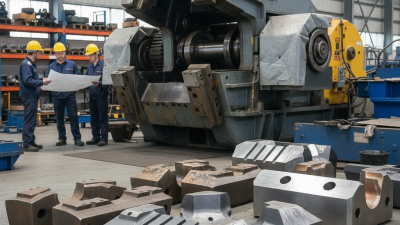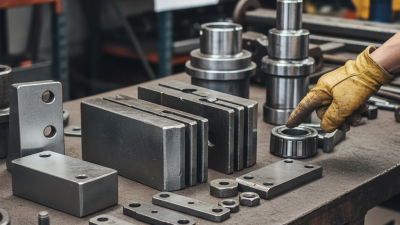
In the world of construction and mining, understanding the vital components of machinery like jaw crushers is essential. According to industry expert Mark Johnson, a leading authority on crushing technologies, "Quality jaw crusher parts make a notable difference in performance." This insight highlights the importance of selecting the right jaw crusher part for optimal operation.
Jaw crushers are crucial in breaking down large materials for easier handling. Key components, such as the jaw plates, bearings, and toggle plates, play significant roles in the overall efficiency. Choosing high-quality parts can enhance durability and reduce maintenance costs. However, not all parts are created equal. It's essential to research and consider factors such as material composition and compatibility with specific models.
While many buyers focus primarily on the initial cost, overlooking quality can lead to higher long-term expenses. A poor-quality jaw crusher part may fail sooner, resulting in unexpected downtime. Understanding the intricate balance of cost versus quality is a challenge. It's a reflection of the ongoing need for knowledgeable choices in an often-overlooked aspect of machinery.
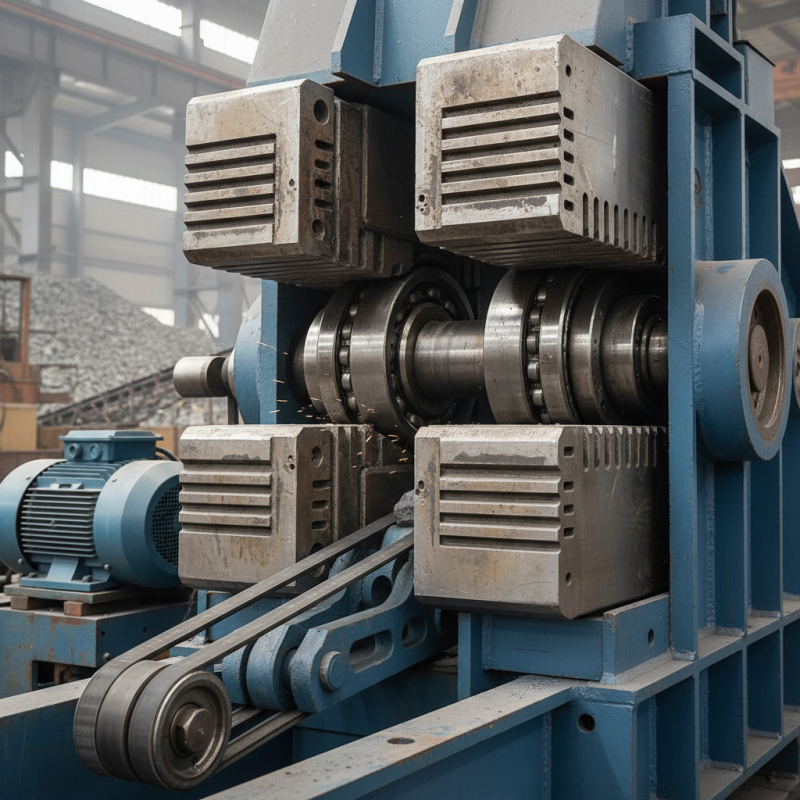
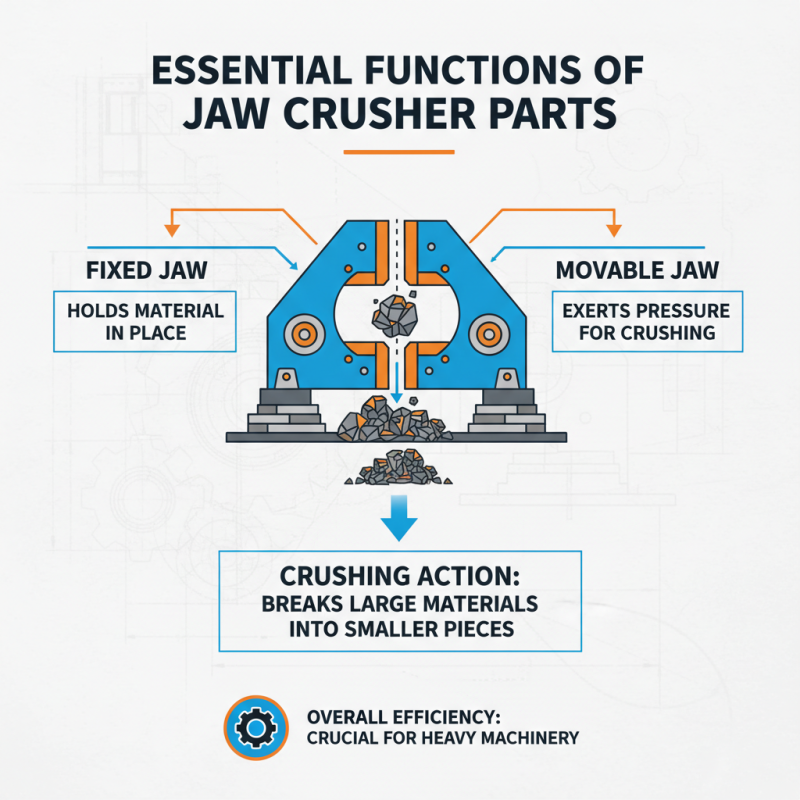
Jaw crushers play a crucial role in heavy machinery by breaking down large materials into manageable pieces. Each part of a jaw crusher has an essential function that contributes to its overall efficiency. The fixed and movable jaws create a space to crush materials. The material is held in place while the movable jaw exerts pressure. This action is vital for the crushing process.
Another key component is the toggle plate, which ensures the safety and functionality of the jaw mechanism. If something too hard enters the crusher, the toggle plate will break, preventing damage. Additionally, the bearings support the structure, allowing for smooth movement. Over time, these parts can wear down, creating inefficiencies in the operation. Regular maintenance is necessary to keep the crusher functional and productive.
Even with proper care, issues can arise unexpectedly. Components may not perform as intended due to unexpected wear or operator error. Recognizing when parts need replacement is essential for maintaining peak performance. Understanding the role of each part allows for better decision-making in management and repairs, contributing to longer machine life.
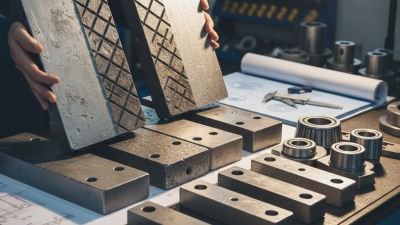
Jaw crushers are essential in mining and material processing. Understanding their components can enhance performance and reliability. Key parts include the jaw plates, toggle plates, and the pitman. Each plays a significant role in how the crusher operates.
Jaw plates are the main components that crush material. They wear out over time and should be monitored for wear. Toggle plates, on the other hand, facilitate the movement of the jaw and help in adjusting the crusher’s settings. Maintaining these parts ensures that the crushing process is efficient. The pitman connects the equipment and creates motion. An issue with the pitman can lead to operational failures.
Other vital components include the flywheel and the frame. The flywheel stores energy and helps maintain steady operation. A damaged flywheel can lead to uneven crushing. The frame supports the entire structure and must be sturdy to handle heavy loads. Regular inspections can help identify wear and potential issues. Without proper maintenance, performance can decline, leading to costly downtime. Understanding these components helps buyers make informed decisions.
| Part Name | Description | Role in Performance | Material Used | Maintenance Tips |
|---|---|---|---|---|
| Jaw Plates | The main wear part that interacts with the material to crush. | Crucial for material reduction and overall efficiency. | High manganese steel | Regular inspections and replacement when worn. |
| Toggle Plate | Transmits power to the movable jaw and protects the machine structure. | Helps maintain a consistent crushing motion. | High strength steel | Check for cracks and wear regularly. |
| Bearing | Supports the jaw assembly and enables smooth movement. | Crucial for operational efficiency and reduced friction. | Chrome steel or brass alloy | Lubricate regularly to avoid overheating. |
| Frame | The structure that supports all other components. | Provides durability and stability to the crusher. | Welded steel construction | Inspect for cracks and ensure proper alignment. |
| Fixed Jaw | Part of the jaw that remains stationary during operation. | Provides the initial contact point for crushing material. | High manganese steel | Regularly inspected for wear. |
| Movable Jaw | The part that moves to crush the material against the fixed jaw. | Essential for the crushing cycle. | High manganese steel | Monitor movement and wear regularly. |
| Wedge | Locks the jaw plates in place and allows for adjustments. | Facilitates the adjustment of the crushing gap. | Steel alloy | Tightening and loosening checks are necessary. |
| Spring | Provides tension to maintain proper spacing. | Essential for the proper alignment of the jaw plates. | Steel | Inspect for tension and damage. |
| Crusher Frame | The primary structure that houses other components. | Provides stability and strength to the machine. | Heavy-duty steel | Regular cleaning and inspections to avoid rust. |
| Chassis | Base support for the entire jaw crusher assembly. | Ensures the machine is level and stable during operation. | Welded frame construction | Inspect alignment and check for wear signs. |
When selecting materials for jaw crusher parts, durability is key. High-quality materials ensure longevity and reduce maintenance costs. Typically, cast steel and high manganese steel are preferred for their strength and impact resistance. These materials withstand wear and tear during the crushing process, providing reliability in any operation.
Tips: Consider the operating environment. If your crusher faces abrasive materials, investing in higher grade alloys might be necessary. This can prevent rapid degradation and reduce downtime significantly.
Another focus should be on the manufacturing process. Precision in casting and machining leads to better fit and less wear. Calculating the expected lifespan of parts based on material and design can inform purchasing decisions. Keep in mind that not all components are created equal. Sometimes, cheaper parts may lead to higher long-term costs due to frequent replacements.
Tips: Always inspect parts upon delivery. Look for any imperfections or inconsistencies. It’s crucial to ensure quality right from the start. A flawed component can cause bigger issues down the line.
Maintenance of jaw crushers is crucial for their longevity. Regular inspections can prevent costly breakdowns. In fact, a maintenance program can increase the lifespan of jaw crusher components by up to 30%, according to industry data.
Lubrication is vital. Using the right lubricant minimizes friction, reducing wear on moving parts. A report from a leading mining journal indicates that improper lubricant use can lead to a 20% increase in component failure rates. Check lubrication levels daily to ensure smooth operation.
Additionally, regular wear part replacement is essential. Jaw plates should be monitored closely. Signs of wear can include: cracks, uneven surfaces, and reduced efficiency. Changing worn parts in time can mitigate risks. Proper training for operators improves maintenance practices. Often, lack of knowledge leads to negligence. An informed team can save thousands in repairs.
Jaw crushers are vital in the mining and construction sectors. However, common issues occur frequently, leading to operational disruptions. One prominent problem is excessive wear on jaw plates. A recent industry report indicated that 50% of jaw crusher failures are attributed to worn-out plates. Enhanced material selection can help alleviate this issue. Using high-manganese steel or other advanced alloys can prolong the life of these vital components. Regular monitoring of wear patterns allows for timely replacements, minimizing downtime.
Another common issue is misalignment of the jaw assembly. This can result in increased stress on bearings and other components. A study highlights that misalignment is responsible for nearly 30% of operational inefficiencies in crushing plants. Simple practices, such as routine maintenance checks and using laser alignment tools, can significantly reduce these risks. Operators should train staff on recognizing signs of misalignment early to prevent costly repairs.
Implementing these best practices fosters reliability in jaw crusher operations. Continuous education on maintenance and monitoring techniques is essential. The mining and construction industries can benefit from sharing insights on common challenges and effective solutions to improve overall productivity and efficiency.