Best Jaw Crusher Parts for Global Buyers to Consider?
When it comes to selecting the best jaw crusher parts, expertise is essential. Mark Thompson, a leading expert in mining equipment, once stated, "Quality jaw crusher parts lead to longer equipment life and better performance." This highlights the importance of choosing reliable components for optimal machinery function.
The jaw crusher part market is vast and varied. Buyers must navigate numerous options, focusing on durability and compatibility. Different manufacturers offer a range of materials and designs. Each option presents unique advantages, yet the decision can often be overwhelming.
While there are many products that claim superiority, not all live up to their promises. It's essential to research and seek reviews from other industry professionals. A well-informed choice can save time and money in the long run. Investing in high-quality jaw crusher parts can indeed make a significant difference in operational efficiency and longevity.
Key Features to Look for in Jaw Crusher Parts
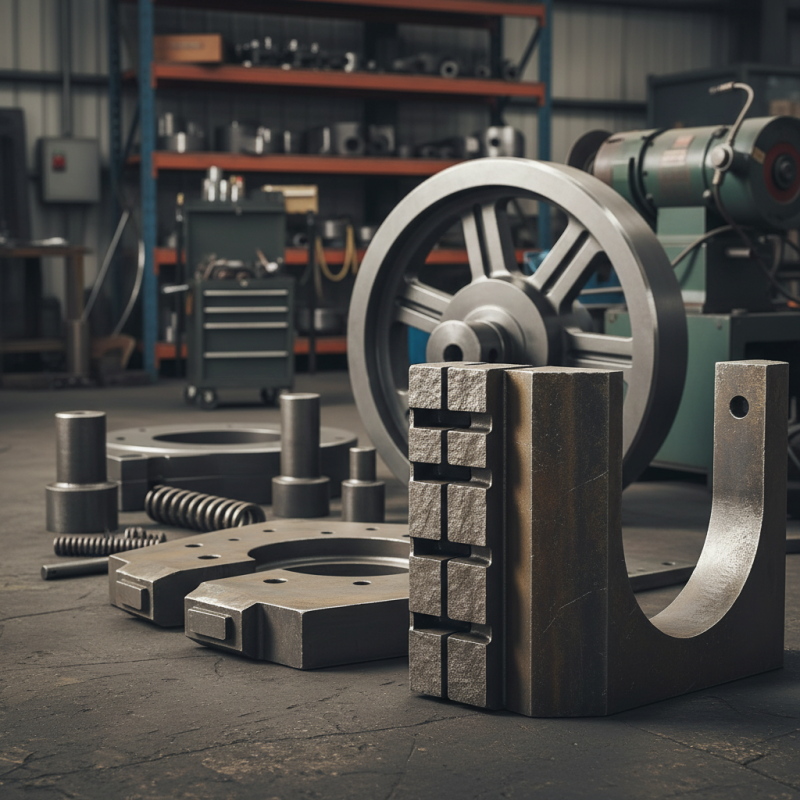
When selecting jaw crusher parts, it's essential to consider several key features that ensure quality and performance. Durability is paramount; parts made from high-quality materials resist wear and tear. This can significantly reduce maintenance costs and downtime. Look for components that offer corrosion resistance and high tensile strength. These traits will help in extending the lifespan of the parts.
Another feature to focus on is compatibility. Ensure that the parts you choose will fit your specific model. Mismatched parts can lead to functionality issues and unnecessary repairs. Additionally, check for the ease of installation. Parts that simplify the installation process save both time and labor costs. Some manufacturers provide detailed guides, which may improve the effectiveness of installation.
Finally, consider the supplier's reputation. A reliable supplier not only guarantees quality but also offers excellent customer support. However, relying solely on reviews may not capture all the nuances. It's wise to engage in discussions with other users. They can share insights from their experiences, including any drawbacks or considerations you might overlook. Balancing these factors will lead to a more informed decision.
Best Jaw Crusher Parts for Global Buyers to Consider
This chart illustrates the durability ratings of different critical components of jaw crushers, which are essential for global buyers to consider when selecting parts.
Popular Materials Used in Manufacturing Jaw Crusher Parts
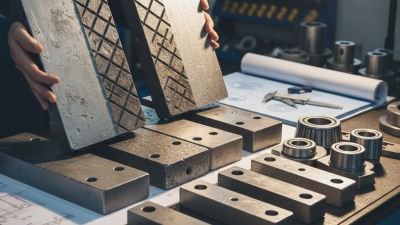
When selecting jaw crusher parts, the choice of materials is crucial. High-quality materials ensure durability and performance. Common materials include high manganese steel, which offers excellent wear resistance. This steel can withstand heavy impact, making it ideal for various crushing applications.
Another popular option is alloy steel. This type of steel combines various elements to enhance strength and toughness. Studies show that alloy steel parts can increase lifespan by 20%. Additionally, ceramic materials are rising in popularity. They provide exceptional hardness and are lighter than traditional materials, reducing the overall weight of the components.
However, not all manufacturers prioritize quality. Some may use inferior materials to reduce costs. This compromises the integrity of the parts. Buyers should seek manufacturers with a reputation for reliability. Accessing detailed reports on material performance can aid in making informed decisions. Investing in quality parts may result in higher initial costs but leads to longevity and reduced maintenance.
Top Manufacturers of Jaw Crusher Parts in the Global Market
When it comes to the jaw crusher parts market, numerous manufacturers stand out due to their innovative designs and robust materials. According to industry analysis, the global jaw crusher market is expected to reach $1.73 billion by 2025, driven by rising demand in mining, construction, and recycling industries. Leading manufacturers often utilize high-grade steel and advanced casting technologies. This ensures enhanced durability and performance for various applications.
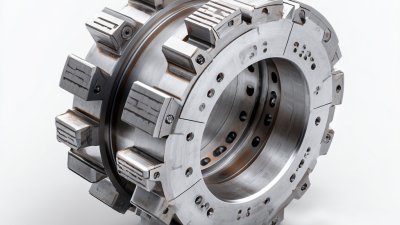
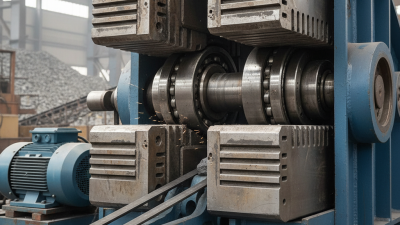
Additionally, top manufacturers focus on specific components, such as jaw plates, liners, and bearings. These parts must withstand significant wear and tear. A study by Market Research Future highlighted that, in 2020, about 35% of the market share was held by companies that frequently update their product lines. This reflects the need for continuous innovation in design and materials. However, choosing the best parts can be challenging. Buyers should not only focus on price but also on the quality and reliability of the components.
This complex landscape sometimes leads to confusion among buyers. Not every part that claims to be "high-quality" meets industry standards. A trend of imitation products persists, causing potentially significant downtime and repair costs. Experts recommend buyers perform thorough product research, paying attention to supplier credentials and customer feedback. Balancing cost and quality is crucial for a sustainable operation in the long run.
Understanding the Maintenance Needs of Jaw Crusher Parts
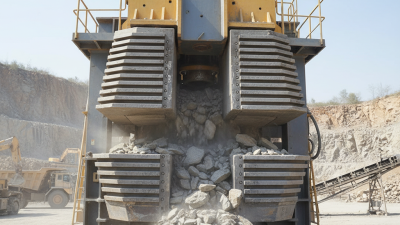
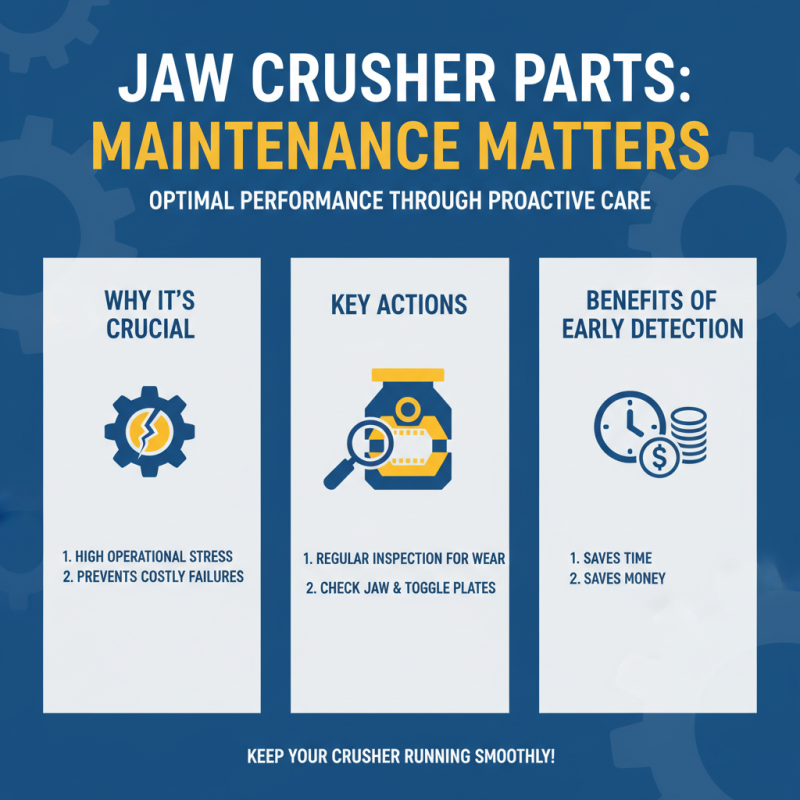
Maintaining jaw crusher parts is vital for optimal performance. These machines undergo significant stress during operation. Regular inspection is necessary to identify wear and tear. Checking components like the jaw plate and toggle plate helps in preventing larger issues. Early detection can save both time and money.
Additionally, lubrication is crucial. It reduces friction and extends the life of moving parts. Operators should ensure proper grease application at designated intervals. Over-lubrication can lead to buildup and complications. Without proper maintenance, performance declines, leading to costly downtime.
Efforts spent on maintenance can lead to reliable operation. However, some operators may overlook this aspect. They might focus solely on production, ignoring the potential consequences. Educating staff on the importance of maintenance can improve overall efficiency. It’s an investment in the longevity of the equipment.
Evaluating Cost-Effectiveness When Choosing Jaw Crusher Parts
Choosing jaw crusher parts requires careful consideration of
cost-effectiveness. Many factors influence pricing, including
material quality and manufacturing processes. Industry reports indicate that steel components can affect overall expenses significantly. High-quality
steel typically offers better durability. Yet, cheaper alternatives might save costs in the short
term but lead to increased wear and replacement needs.
Evaluating total cost of ownership is essential. A study by a
leading mining industry group found that poorly designed parts could increase operational costs
by 20%. Maintenance requirements also play a role in cost. Parts that
require frequent replacements or extensive upkeep can eat into profits. The initial savings
from cheap parts may eventually lead to higher expenses.
Moreover, sourcing reliable suppliers is critical. Research shows that suppliers with a good
reputation often ensure higher quality and better support. Choosing parts
based on price alone can be misleading. Reflecting on long-term performance is crucial to
making informed decisions. Time and energy invested in evaluating options will pay off in
operational efficiency.