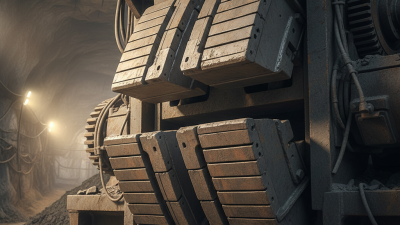
China Top 10 Jaw Crusher Parts Suppliers for Global Buyers
Selecting reliable Jaw Crusher Parts Suppliers is a practical decision with direct consequences for uptime, maintenance costs, and product consistency. A jaw plate may look like a simple steel component. Its alloy, heat treatment, profile, and fit can change how it wears inside a crushing chamber. Small details matter.
Quality-management expert W. Edwards Deming said, “Quality is everyone’s responsibility.” That principle applies to crusher parts procurement: suppliers, buyers, and maintenance teams all influence results. Deming was not a crusher-parts specialist, so his words are a broad quality principle, not a technical endorsement of any supplier.
This guide compares ten suppliers for global buyers, with attention to product range, manufacturing capabilities, material documentation, customization, and export support. Buyers should also check practical details, such as drawing compatibility, lead times, packaging, and access to technical assistance. A supplier’s product catalog is only a starting point. Ask how the supplier verifies dimensions and material specifications, and request records where available. Compare like with like.
No supplier fits every quarry or mine. Operating conditions differ, and a low purchase price can hide longer replacement intervals or freight costs. Sometimes the evidence is incomplete. This overview is a shortlist, not a substitute for technical review. Use it to prepare sharper questions before requesting quotations or testing parts in service.
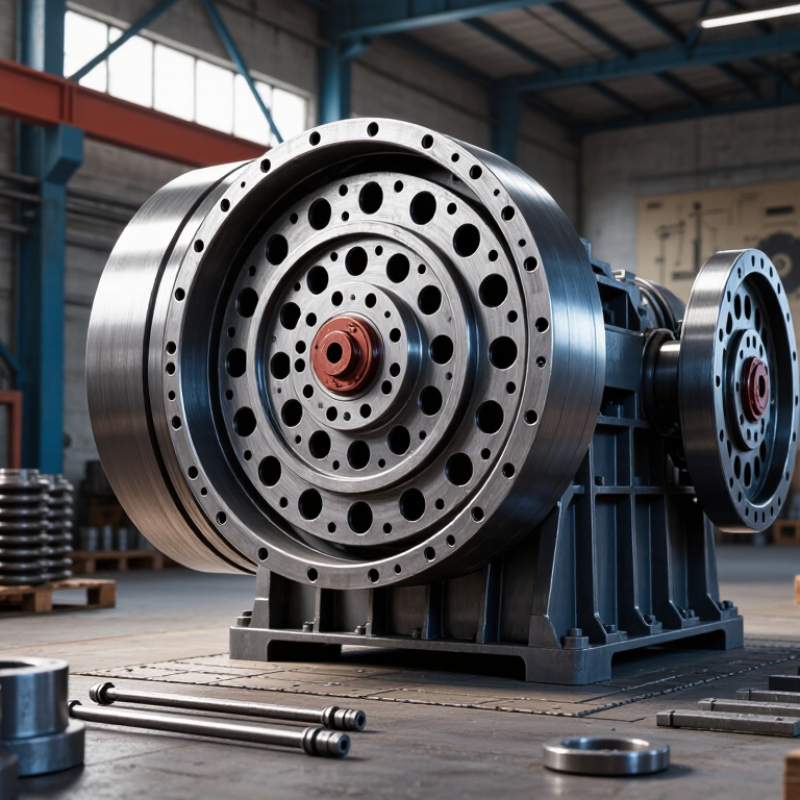
Jaw Crusher Parts: Core Components and 11–14% Manganese Steel
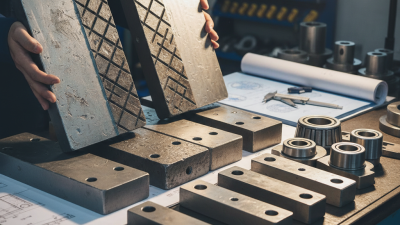
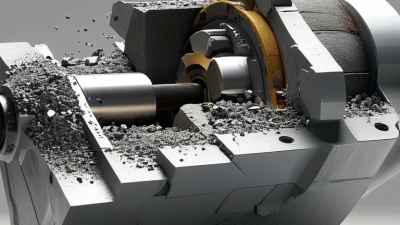
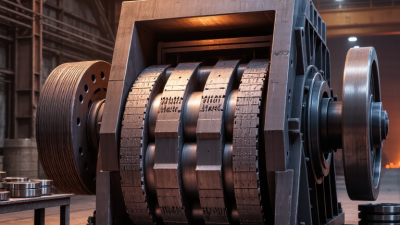
Jaw crusher performance depends on a small group of hard-working components. The fixed and movable jaw plates crush the feed, while cheek plates protect the side walls. A toggle plate transfers crushing force and also acts as a mechanical safety link. Bearings support the eccentric shaft, so correct lubrication and alignment matter. A slight misfit can create uneven contact and accelerate wear.
Manganese steel containing about 11–14% manganese is widely used for jaw plates. Under repeated impact, its surface can work-harden while the inner material remains tougher. The result depends on more than the alloy label. Casting quality, heat treatment, plate thickness, feed size, and crusher settings all affect service life. Wear is uneven. Fine, abrasive feed may wear a plate differently from large, hard rock.
When comparing replacement parts, check the crusher model, mounting dimensions, tooth profile, and material certificate. Inspect the plates for cracks and measure wear at several points, not just near the center. If impact is low, manganese steel may not harden as effectively; the expected benefit can be disappointing. Supplier claims should be checked against operating records and actual wear measurements. A neat specification sheet helps, but it cannot replace a careful fit check.
Jaw Plate Performance: 1.0–1.4% Carbon and Work-Hardening Basics
Many manganese-steel jaw plates are specified with about 1.0–1.4% carbon, but carbon alone does not predict service life. Manganese content, solution heat treatment, casting quality, and crusher settings also shape performance. Details matter.
Under repeated impact and compression, the surface can work-harden while the interior remains relatively tough. That balance helps resist abrasion without making the entire plate brittle. It relies on suitable impact; soft, flaky feed may not activate hardening as effectively. Watch the feed.
During inspection, note uneven grooves, cracks near mounting holes, or a polished zone growing faster on one side. Compare wear with feed size, moisture, and closed-side setting before changing the alloy specification. A higher carbon figure is not automatically better. One easy-to-miss factor is loose cheek plates, which can distort wear and make alloy selection seem at fault. A sample hardness test is useful only when its location and method are recorded. Ask suppliers for chemistry, heat-treatment records, and hardness readings from representative areas, then compare them with field results.
How to Assess 10 Chinese Suppliers by Alloy, Fit, and Quality Controls
Comparing ten Chinese jaw crusher parts suppliers requires more than checking price and delivery time. Ask for the alloy grade, chemical composition, and heat-treatment details for each jaw plate. Manganese steel is common, but the right grade depends on feed material and operating conditions. Request a recent material certificate and hardness test report.
Then compare a sample against your machine drawing. Measure tooth profile, mounting holes, and plate thickness with a caliper. Small mismatches matter. A plate that looks correct in a catalogue may not seat properly on the crusher.
Quality controls deserve close review. Ask how each production batch is identified and whether dimensional checks are recorded before dispatch. Request sample inspection reports, clear photographs, and details of how defects are handled. If possible, compare parts from separate batches rather than relying on one sample.
One good sample proves little about consistency. No alloy is best for every quarry, and supplier documents may leave gaps. That is worth noting, not overlooking.
A clear response to a technical question can be useful evidence, but it cannot replace measurements or test records.
China’s Top 10 Suppliers: Product Range, OEM Service, and Export Readiness
China’s jaw crusher parts suppliers often cover a practical mix of wear and replacement components: fixed and movable jaw plates, cheek plates, toggle plates, wedges, and selected bearing or frame parts. The range matters, but fit matters more. Buyers should compare drawings, machine models, dimensions, and material specifications before requesting a quotation. A jaw plate that looks correct in a catalog may still differ in tooth profile or mounting details. Small differences can affect installation and wear life.
OEM service is most useful when suppliers can review drawings, confirm tolerances, and document material grades and heat treatment. Ask how sample approval works and what inspection records accompany production. Details matter. Export readiness deserves the same scrutiny: confirm packing methods, stated lead times, spare-part labeling, and shipping documents before placing an order. Wooden crates should protect machined surfaces from impact and moisture during transit. A polished catalog is not proof of consistent quality, and an online reply is not a production schedule. Request recent inspection evidence and clarify who handles technical questions after dispatch. Some supplier information may be incomplete, so allow time to verify it rather than relying on assumptions. Buyers can then compare offers on fit, traceability, communication, and delivery—not price alone.
Global Buyer Checklist: ASTM A128, Drawing Tolerances, and Wear-Test Data
For buyers comparing jaw crusher parts suppliers, ASTM A128/A128M is a useful starting point, not a complete acceptance plan. It specifies requirements for austenitic manganese steel castings; the purchase drawing should still identify grade, heat treatment, dimensions, and inspection points. Set tolerances around the actual fit: a cheek plate’s bolt holes and seating face may matter more than a non-contact edge. Ask for the inspection report, heat number, and measured values—not only a certificate stating “compliant.”
Wear-test figures need context. ASTM G81 provides a jaw-crusher gouging-abrasion test method, while ASTM G65 measures abrasive wear using a dry sand and rubber wheel. These results are not interchangeable. Request the method, specimen condition, test duration, and mass-loss data, then compare suppliers tested under matching conditions. A single hardness reading can mislead; manganese steel work-hardens in service, and field wear also depends on feed size, moisture, and crushing settings.
Tips: Put critical dimensions on the drawing and require a signed inspection record. Ask for test data from the same alloy grade and heat treatment. If results lack test conditions, treat them cautiously. That detail is often missed.