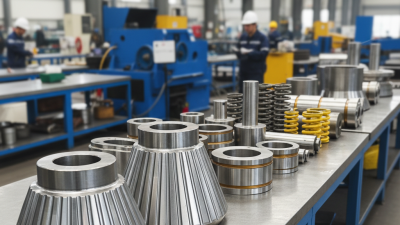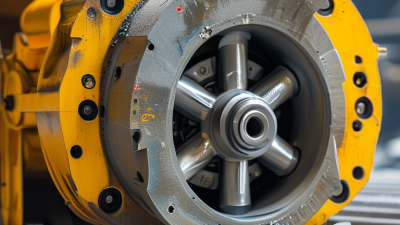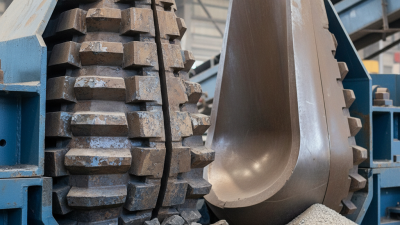
Choosing reliable China Cone Crusher Parts suppliers requires more than comparing prices on a marketplace. Cone Crusher Parts directly affect uptime, product shape, liner life, and worker safety. A poorly matched mantle can create uneven crushing, higher power consumption, and premature equipment wear.
Industry data shows why this decision matters. The U.S. Geological Survey reported approximately 1.5 billion metric tons of crushed stone production in the United States in 2023, valued at about $24 billion. This scale reflects continuous demand for dependable crushing equipment and replacement components. Grand View Research also identifies growing investment in crushing, screening, and mineral processing equipment, driven by construction, mining, and infrastructure projects. However, market reports use different definitions. Their figures should guide research, not replace supplier verification.
A credible Chinese supplier should provide material certificates, dimensional drawings, heat-treatment records, and traceable inspection results. Ask about manganese steel grades, hardness testing, casting controls, and compatibility with your crusher model. Photographs of a finished liner are useful, but a documented test report is stronger evidence. Factory audits can reveal practical details, such as machining accuracy, storage conditions, and spare-part labeling.
Do not choose on price alone.
Supplier evaluation should also include lead time, export experience, warranty terms, technical support, and customer references. ISO certification may support credibility, but it does not guarantee consistent Cone Crusher Parts quality. No supplier scorecard is perfect. Specifications can still be misunderstood, and even experienced buyers may overlook application conditions. A careful comparison, followed by sample testing, offers a more dependable path to long-term performance.
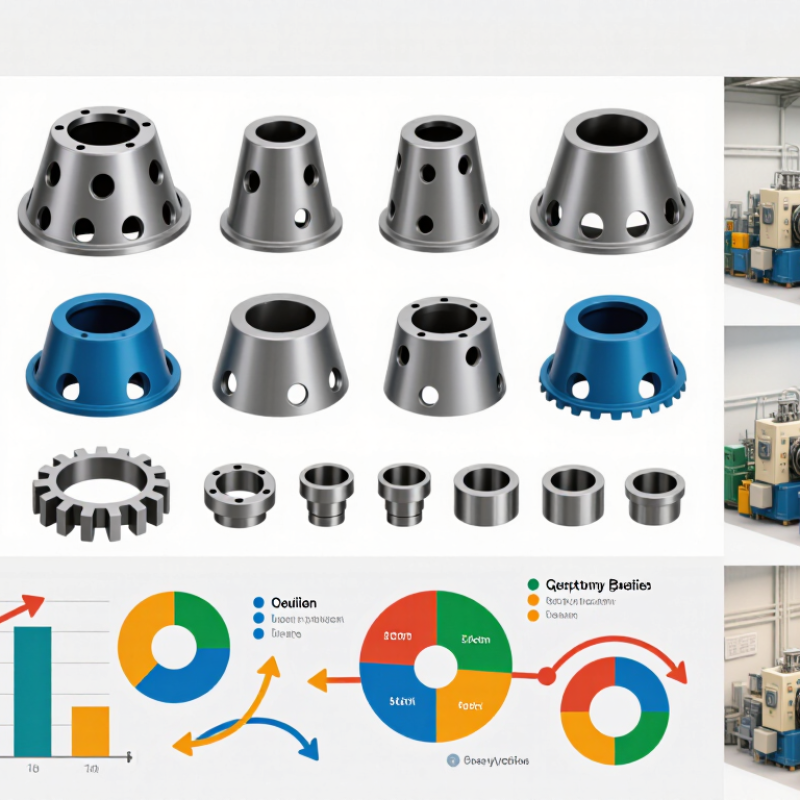
China cone crusher parts suppliers are companies that manufacture, stock, or distribute replacement components for cone crushing equipment. Their products commonly include mantles, concaves, eccentric bushings, socket liners, seals, bolts, and adjustment rings. Some suppliers produce parts in their own foundries, while others coordinate machining and casting through qualified factories.
A reliable supplier should understand crushing conditions, not only component names. Experienced technicians review feed size, rock hardness, equipment model, and operating hours before suggesting materials. Manganese steel is common for wear parts, while alloy steel and bronze may suit specific internal components. Clear drawings, measured dimensions, heat-treatment records, and material certificates support professional purchasing decisions. Traceability matters.
In practical work, small dimensional errors can create uneven wear, vibration, or difficult installation. A supplier should inspect critical tolerances and explain inspection methods openly. Ask for sample reports, production photos, packing details, and references from comparable applications. A low quotation may hide weaker material control or incomplete testing. That happens.
No supplier gets every fit perfect. Good communication helps correct mistakes quickly. I would also check response speed after delivery, because support is part of the product. Reliable suppliers provide realistic lead times, careful packaging, and practical installation guidance without making exaggerated promises.
Choosing the right cone crusher parts starts with the machine’s actual working condition. Do not order a mantle only by appearance. Confirm the crusher model, chamber type, feed size, and closed-side setting. A coarse chamber may need a different mantle and bowl liner profile than a fine chamber. Wear parts affect capacity, product shape, and power use.
Mantles and bowl liners are usually the first parts to inspect. Look for uneven wear, cracking, thin sections, and abnormal polishing. Keep a wear record with operating hours and product size.
Small parts also matter. Check the eccentric bushing, thrust bearing, gear, pinion, main shaft, feed distributor, locking bolt, and hydraulic seals.
A damaged bushing can create vibration and quickly harm more expensive components. Seals deserve attention. Oil leakage often appears before serious internal damage.
When comparing China cone crusher parts suppliers, request material certificates, heat-treatment records, dimensional reports, and inspection photos. Ask whether parts are checked against approved drawings, not just sample measurements. The supplier should understand your ore hardness, moisture, abrasiveness, and daily feed rate.
I once treated a liner as a simple replacement and ignored the feed changes. That decision shortened its service life. It was a useful mistake. Ask for traceability, clear tolerances, and practical installation guidance. A dependable supplier should also explain when a genuine repair is safer than another replacement.
Choosing a top China cone crusher parts supplier requires more than comparing prices. Quality begins with controlled manufacturing standards and documented inspection procedures. Ask how the supplier manages alloy selection, casting temperature, heat treatment, and dimensional accuracy. These details affect wear life, fit, and machine safety.
Request material certificates and traceability records for each production batch. Reliable suppliers can connect a finished mantle or bowl liner to its furnace charge, inspection report, and shipment date. Check whether measuring tools are regularly calibrated. Review hardness testing, chemical analysis, surface inspection, and non-destructive testing records where applicable. Certificates alone are not enough.
A factory audit can reveal practical weaknesses. Observe raw material storage, pattern maintenance, machining areas, and rejected-part control. Clean workspaces help, but they do not prove consistent production. Ask for samples from previous orders and contact verified users with similar operating conditions. Quarry duty, abrasive rock, and crushing pressure can change results significantly. A supplier may provide excellent reports yet struggle with urgent replacements. That risk deserves attention. Require clear drawings, agreed tolerances, packaging standards, and written warranty terms before payment. Some evaluations still rely too heavily on polished presentations. That is a mistake worth reviewing.
Choosing top China cone crusher parts suppliers requires more than comparing unit prices. A low quotation may exclude mould fees, export packing, inspection, or replacement seals. Calculate the landed cost: part price, freight, insurance, duties, and expected service life. Request a line-item quotation. Vague figures create expensive surprises.
Certifications help, but they are not proof of quality. The ISO Survey 2023 recorded over 1.26 million ISO 9001 certificates worldwide, showing broad adoption of quality systems. However, ask for the certificate number, issuing body, scope, and validity date. Then check whether it covers casting, machining, or only office management. Material certificates, hardness reports, dimensional records, and batch traceability are more useful for crusher components. A certificate alone is not enough.
Delivery terms need equal attention. Compare EXW, FOB, CIF, and DDP prices on the same shipment basis. Confirm production time, inspection time, port, documents, and responsibility for damage. The World Bank’s 2023 Logistics Performance Index highlights customs, tracking, infrastructure, and delivery timeliness as key logistics factors. Ask for recent shipment records, not promises. In my experience, suppliers often quote “30 days” without stating whether weekends, tooling, or port delays are included. Put every deadline in the purchase contract. Also define acceptance criteria, spare-part packaging, and the remedy for incorrect dimensions. A cheaper offer can still be the weaker choice.
Use this procurement comparison table to evaluate cone crusher wear-part suppliers without relying on price alone. Confirm every commercial and technical claim with current documents, samples, and a written quotation.
| Evaluation Dimension | What to Compare | Recommended Benchmark | Evidence to Request | Procurement Risk if Missing |
|---|---|---|---|---|
| Product Compatibility | Part number, crusher model, cavity type, installation dimensions, and liner profile. | 100% dimensional compatibility with the specified crusher model and cavity. | Dimensional drawing Part-number cross-reference Inspection report | Incorrect fit, shortened service life, installation delays, or equipment damage. |
| Material Grade | High-manganese steel, alloyed manganese steel, or high-chrome iron according to the application. | Material selection should match feed size, abrasiveness, compressive strength, and expected crushing conditions. | Material specification Heat-treatment record Chemical analysis | Premature wear, cracking, deformation, or inconsistent performance between batches. |
| Chemical Composition | Carbon, manganese, silicon, chromium, molybdenum, and other alloying elements where applicable. | Test results should comply with the agreed material specification and accepted industry standard. | Heat-by-heat test report Spectrometer record Material certificate | A nominal material name may not reflect the actual metallurgical performance. |
| Hardness and Toughness | Hardness distribution, impact resistance, microstructure, and resistance to work hardening. | Results should be consistent across the casting and suitable for the selected wear application; acceptance values must be agreed before production. | Hardness map Metallographic report Impact-test data | Excessive hardness can increase cracking risk, while insufficient hardness can accelerate wear. |
| Quality Management Certification | Whether the manufacturing site operates a documented quality-management system. | Current ISO 9001 certification issued to the actual manufacturing site, with a scope covering casting or wear-part production. | Certificate copy Certificate validity Certification scope Issuing body | A certificate belonging to a trading office or unrelated facility may not verify production controls. |
| Inspection and Traceability | Heat number, batch identification, dimensional inspection, non-destructive testing, and final release procedures. | Each shipment should be traceable from raw material or melt batch through heat treatment, inspection, and packing. | Traceability procedure Final inspection report Non-conformance procedure | Root-cause investigation and warranty verification become difficult. |
| Price Structure | Unit price, tooling or pattern charges, packaging, inland transport, export documentation, freight, and taxes. | Compare the complete landed cost rather than the casting price alone. All quotations should use the same part specification and delivery basis. | Itemized quotation Incoterm Packing cost Freight validity | A low initial price may exclude tooling, export packing, freight, inspection, or replacement costs. |
| Payment Terms | Deposit percentage, balance timing, letter of credit availability, payment currency, and bank charges. | Payment milestones should be linked to purchase order confirmation, approved drawings, inspection, and shipment documents. | Pro forma invoice Bank details Payment schedule Refund terms | High advance payments increase exposure if production, inspection, or delivery is delayed. |
| Production Lead Time | Pattern preparation, casting, heat treatment, machining, inspection, packing, and dispatch. | The supplier should provide a written schedule with separate dates for drawing approval, production completion, inspection, and shipment. | Production schedule Capacity statement Progress updates | “Ready to ship” may refer only to casting completion and not to machining or final inspection. |
| Delivery Terms | EXW, FCA, FOB, CFR, CIF, or DAP responsibility allocation; port selection; insurance; and export clearance. | The quotation should state the Incoterms® rule and named place or port, such as FOB Shanghai or CIF Rotterdam. | Incoterms® 2020 term Named port or place Freight quotation Insurance scope | Unclear responsibility for freight, insurance, customs, or destination charges can create unexpected costs. |
| Packaging and Export Protection | Wooden cases, corrosion protection, lifting points, part identification, moisture control, and container loading. | Packaging should protect heavy castings from impact, moisture, movement, and deformation during international transport. | Packing specification Packing photos Gross and net weight list | Damaged edges, missing parts, corrosion, and handling hazards may occur during unloading. |
| Sample and Trial Order | Ability to provide a sample, first article, or limited trial order before larger procurement. | Approve one representative part or a controlled trial batch before placing a long-term order. | Sample inspection plan Trial-order terms Performance feedback form | Large-volume purchasing before validation increases technical and commercial exposure. |
| Warranty and Claims | Coverage period, qualifying defects, evidence requirements, response time, replacement policy, and freight responsibility. | Warranty terms should be written in the purchase contract and should define measurable acceptance criteria. | Warranty clause Claim procedure Corrective-action timeline | Verbal promises are difficult to enforce when a wear or casting issue occurs. |
| After-Sales Technical Support | Installation guidance, liner rotation advice, operating recommendations, and failure analysis. | The supplier should provide technical communication during installation and a documented response to performance issues. | Installation guide Operating recommendations Technical contact | Poor installation or unsuitable operating conditions may be incorrectly treated as a product failure. |
| Supplier Evaluation Score | Weighted assessment of technical compliance, quality evidence, total cost, delivery reliability, and service. | Technical compliance and quality evidence should be assessed before assigning a high score to price. | Supplier scorecard Risk review Approved-vendor decision | Selecting the lowest quoted price without risk weighting can increase total ownership cost. |
When choosing China cone crusher parts suppliers, verify service before comparing price. Ask for a named service contact, response-time rules, and escalation procedures. During a plant visit, inspect spare-part records, packaging, and the final inspection area. A reliable supplier should share material certificates, dimensional reports, and batch traceability. Photos are useful, but they are not proof.
Warranty terms deserve close reading. Confirm coverage periods, installation conditions, exclusions, and the evidence required for a claim. Ask how quickly replacement parts ship after failure. The answer should include realistic lead times, not vague promises. According to the ISO Survey 2022, more than 1.2 million ISO 9001 certificates were recorded worldwide. However, certification does not guarantee cone liner life or casting accuracy. Request recent audit documents and verify their scope.
Check three customer references using similar rock hardness and operating hours. Ask about premature wear, claim handling, and technical communication. A useful supplier can explain why a mantle failed, not merely offer a discount. Warranty cases often reveal real reliability. Still, references may be selective. I have trusted polished reports too quickly before; that was a mistake. Require a written quality plan, inspection checkpoints, and retained samples. Small gaps matter. Test one shipment first, record its performance, and compare actual wear against the supplier’s estimate.
This due-diligence scorecard uses a 100-point verification framework. The highest weighting is assigned to product quality and traceability, warranty clarity, after-sales service, and delivery reliability because these factors directly affect crusher uptime and replacement-part risk. Ask suppliers to support each score with documented evidence such as inspection reports, warranty terms, response-time commitments, production records, and shipment performance data.