Top Cone Crusher Parts Buyers Guide for Global Procurement?
In the competitive world of mining and construction, understanding the intricacies of Cone Crusher Parts is crucial. Industry expert Dr. Jane Smith emphasizes, “Quality parts can make or break your operations.” Her insight highlights the necessity of selecting the right components for optimal performance.
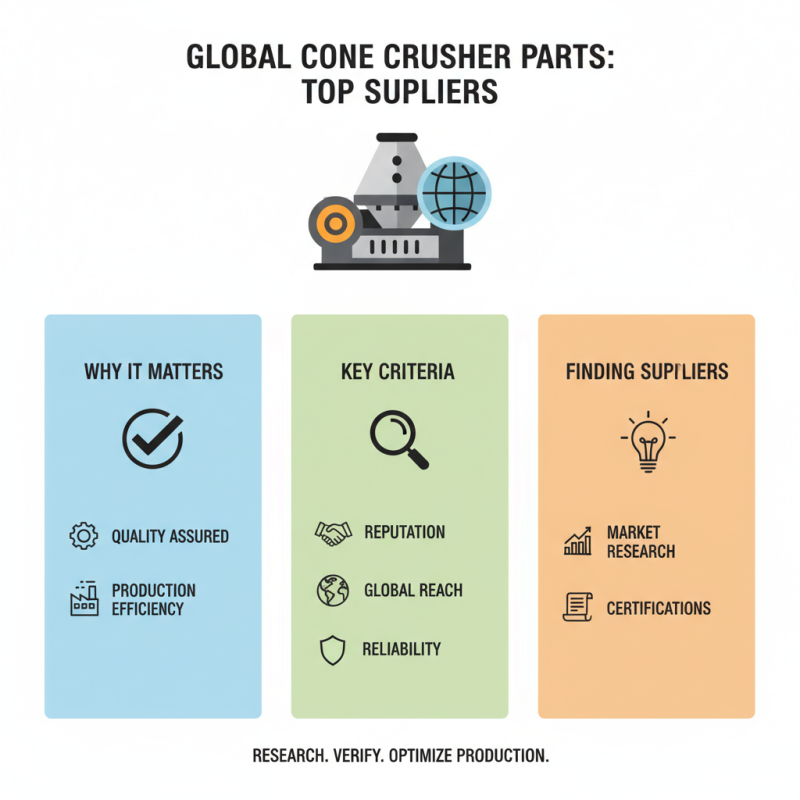
As the demand for Cone Crusher Parts grows globally, buyers face challenges. They must navigate numerous suppliers and evolving technologies. Different manufacturers offer various designs and materials, complicating procurement. One must consider factors like reliability, wear resistance, and cost-efficiency when selecting parts.
Moreover, not all suppliers meet the high standards required for demanding applications. This inconsistency can lead to operational inefficiencies. It is essential to assess your supplier’s reputation and product quality carefully. Finding the right balance between cost and quality can be daunting. Nonetheless, the right choices in Cone Crusher Parts can enhance productivity and reduce downtime significantly.

Understanding Cone Crusher Parts: An Overview of Key Components
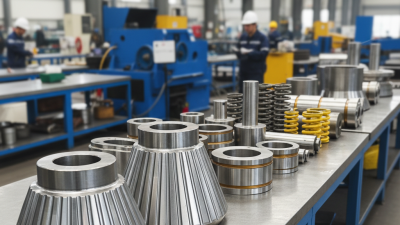
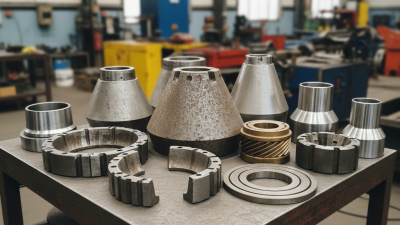
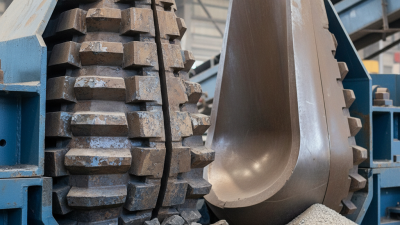
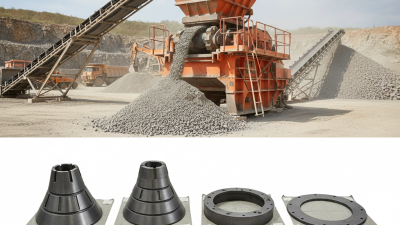
Understanding cone crusher parts is crucial for anyone involved in the industry. These components play vital roles in ensuring that the equipment operates efficiently. Key parts include the mantle, bowl liner, and cone head. Each part contributes significantly to the crushing process. A well-maintained cone crusher will have improved reliability and lifespan.
Tips: Regular inspection of the mantle and bowl liner is essential. Look for signs of wear. Replace these parts before they fail to avoid costly downtime.
Additionally, the size and quality of the cone can affect performance. High-quality steel components can enhance durability. Always consider compatibility with existing machinery. A mismatched component might lead to inefficiency. It's worth researching suppliers who provide reliable parts that meet your specific requirements.
Tips: Keep a detailed inventory of your cone crusher parts. This can help you track usage and identify when replacements are needed. Documenting wear and tear can also guide future purchasing decisions. Remember, investing in quality parts can save money in the long run.
Evaluating Quality Standards and Certifications for Cone Crusher Parts
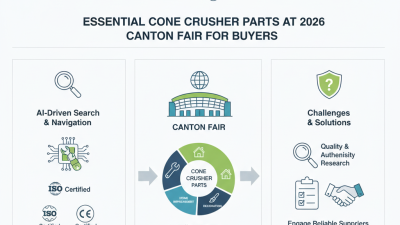
When sourcing cone crusher parts, understanding quality standards and certifications is essential. According to industry reports, about 30% of machinery failures are linked to subpar components. This statistic highlights the need to evaluate suppliers carefully. Certifications, such as ISO 9001, indicate that the manufacturer adheres to strict quality management systems. Moreover, adherence to ASTM and SAE standards ensures that parts meet specific material and performance criteria.
Tips: Always ask for certification documents. This can save you from future issues.
Another critical aspect is the manufacturer's track record. Companies with a history of compliance demonstrate reliability. Researching customer reviews and case studies can reveal how products perform in real-world situations. Some suppliers may have great marketing, but their parts might not deliver. Verifying their claims is crucial to avoid costly repairs.
Tips: Request samples before large orders. Testing can reveal hidden defects.
It's important to remember that not all certifications are equal. Look for additional endorsements from industry associations. Some may offer more insight into a supplier's reputation and quality. This extra layer of information can enhance your overall procurement strategy.
Cost Considerations: Budgeting for Cone Crusher Parts Procurement
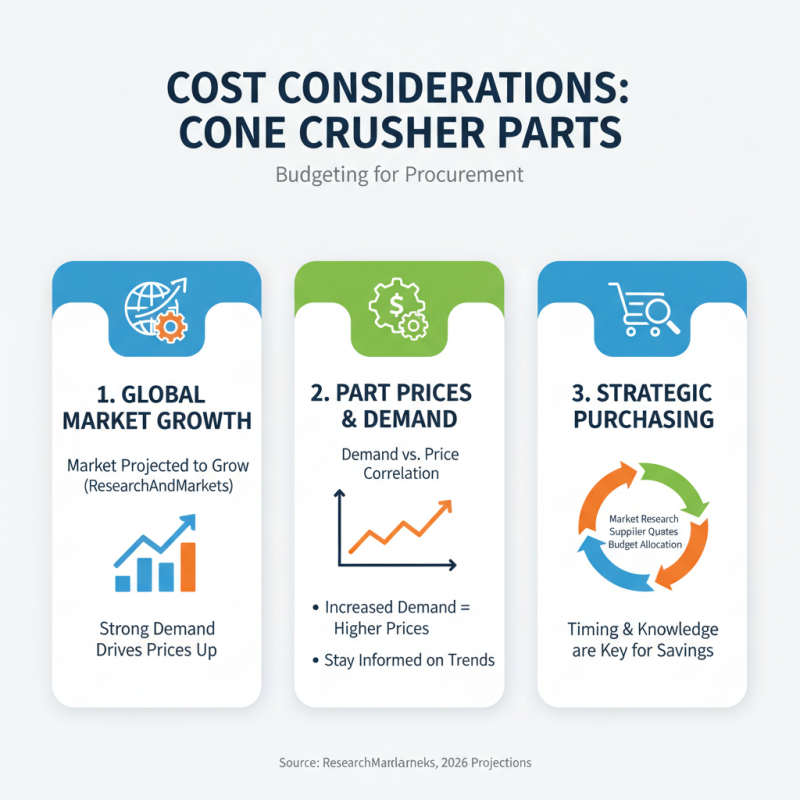
When budgeting for cone crusher parts procurement, several cost considerations must be taken into account. The global market for these components continues to grow. According to a report from ResearchAndMarkets, the cone crusher market is projected to reach significant valuations by 2026, revealing a strong demand. This increasing demand directly affects part prices. It’s essential to stay informed about market trends to make the right purchases.
Quality does not come cheap. OEM parts often ensure longer lifespan and reliability. However, they also come with a higher price tag. For instance, data from the National Stone, Sand & Gravel Association indicates that equipment maintenance costs can consume 15-25% of total operating budgets. This reality necessitates careful planning when sourcing parts. Balancing initial costs with long-term operational efficiency is crucial yet challenging.
Additionally, consider shipping and handling fees. These can vary widely depending on the supplier's location. Delays can lead to costly downtimes. Some buyers may choose to overlook these factors in favor of immediate savings. This could lead to additional expenses later. Thorough research can mitigate these risks and help in making more informed decisions.
Best Practices for Sourcing and Purchasing Cone Crusher Parts
Sourcing and purchasing cone crusher parts requires a strategic approach. Many industry reports indicate that an efficient supply chain can significantly reduce downtime. For instance, accessing quality parts within 24 hours can maintain production flow. This emphasizes the need for reliable suppliers, ensuring that parts meet stringent quality standards.
Understanding material specifications is crucial. Many cone crusher parts use high-quality alloys for durability. A report by the Mining and Quarrying Research Group highlights that using the right materials can prolong the life of a component by up to 30%. This makes it vital for buyers to focus on material characteristics during procurement. Not all parts are created equal, and subpar components can lead to costly failures.
Another aspect is building long-term relationships with suppliers. A consistent link can offer better pricing and priority during shortages. However, reliance on a single supplier poses risks. Diversifying suppliers can mitigate these risks, yet managing multiple sources requires careful coordination. Tracking lead times and ensuring quality checks can be complex but are necessary steps in this industry.
Top Cone Crusher Parts Buyers Guide for Global Procurement
| Part Type |
Material |
Typical Lifespan (Hours) |
Pricing Range (USD) |
Key Suppliers |
| Mantle |
Manganese Steel |
400-800 |
1000 - 3000 |
Supplier A, Supplier B |
| Concave |
High Carbon Steel |
300-700 |
800 - 2500 |
Supplier C, Supplier D |
| Adjustment Ring |
Cast Steel |
500-1000 |
1500 - 4000 |
Supplier E, Supplier F |
| Gasket |
Rubber |
100-300 |
50 - 150 |
Supplier G, Supplier H |
| Bowl Liner |
Manganese Alloy |
400-600 |
1200 - 3500 |
Supplier I, Supplier J |