Inquiry
Form loading...

How to Choose Cone Crusher Parts for Global Buyers?

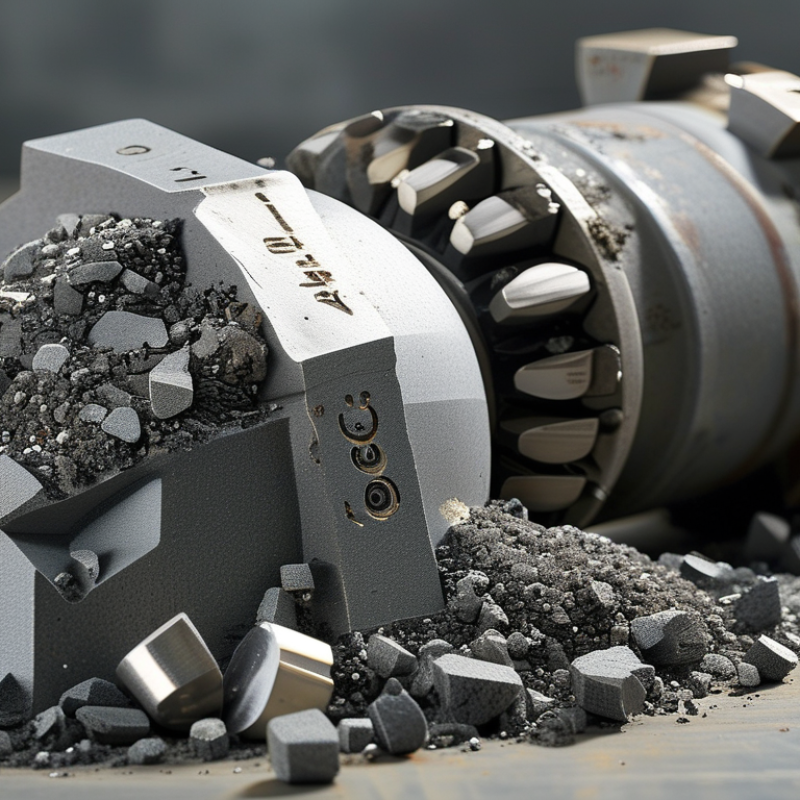
Choosing Cone Crusher Parts is not a simple purchasing task for global buyers. The correct component must match the crusher model, feed material, production target, and operating environment. A mantle that performs well in soft limestone may fail quickly against abrasive granite. Small differences matter.

Dr. Per-Henrik Löf, a respected comminution specialist, has stated, “The best wear part is not always the hardest one; it is the one matched to the crushing duty.” This principle should guide every international purchase. Buyers need more than a low quotation. They should examine manganese grade, casting quality, heat treatment, dimensional accuracy, and supplier documentation. Ask for material certificates. Request inspection records. Confirm the part’s compatibility before shipment.

Field experience also reveals practical details. A poorly fitted bowl liner can create uneven wear, vibration, and unexpected downtime. A delayed replacement can leave an entire production line silent for several days. That cost is rarely visible in the original purchase price. It includes labor, freight, lost output, and emergency installation.

Global sourcing is not perfectly predictable. Delivery routes change. Quality can vary between batches. Even experienced buyers sometimes focus too heavily on price. That deserves reflection. A reliable decision compares total operating cost, expected service life, technical support, and after-sales responsiveness. This guide explains how to evaluate Cone Crusher Parts with greater confidence. It also considers common mistakes, supplier verification, and the compromises behind each purchasing decision.

How to Choose Cone Crusher Parts for Global Buyers?

Understanding Cone Crusher Parts and Their Functions

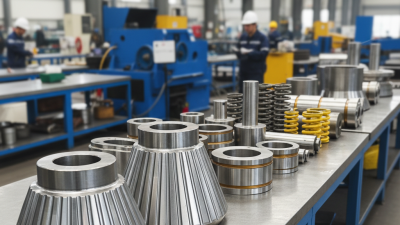
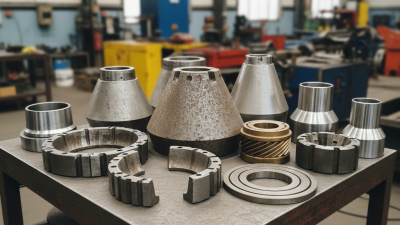
Cone crusher parts work as a connected system, not as isolated replacements. The mantle moves against the concave, crushing rock inside the chamber. Their profiles control feed size, product shape, and liner life. Wear is visible. However, uneven wear can reveal poor feeding or incorrect settings.

The eccentric assembly creates the crushing movement through controlled offset rotation. A main shaft transfers force, while thrust bearings support vertical loads. Bronze bushings guide movement and require suitable lubrication. Seals protect internal surfaces from dust and water. Hydraulic adjustment systems set the closed-side discharge opening and help release trapped material. Each part has a specific job.

Global buyers should compare drawings, dimensions, material grades, and operating data before ordering. High-abrasion stone may require tougher liner alloys, while sticky material can demand a different chamber profile. Check the feed opening, power rating, mantle diameter, and installation tolerances. Fit matters. A small mismatch may cause vibration, fast wear, or costly downtime.

Ask suppliers for inspection records, heat-treatment details, hardness results, and packing photographs. Clear traceability improves purchasing confidence across borders. In field maintenance, technicians often find that installation errors shorten part life more than material quality. That possibility deserves attention. No selection is perfect; real performance must be checked against feed moisture, rock hardness, and daily production changes. A part that works well in one quarry may perform poorly in another.

How to Choose Cone Crusher Parts for Global Buyers?

Understanding Cone Crusher Parts and Their Functions

The chart shows the main function of commonly selected cone crusher parts on a practical 1–5 priority scale. Wear parts such as the mantle and bowl liner directly affect crushing performance, while the eccentric bushing, thrust bearing, and main shaft support motion, alignment, and load transmission. Actual selection should also consider feed size, material abrasiveness, required product size, crusher model, and operating conditions.

Matching Parts to Crusher Models and Operating Conditions

Choosing cone crusher parts starts with the exact crusher model Choosing cone crusher parts starts with the exact crusher model, not a catalogue photograph. Confirm the model code, serial range, crushing chamber, and fitting dimensions. A mantle and concave may look compatible but create different closed-side settings. Check the technical drawing against the removed part. Measure twice. Small errors can cause uneven wear, vibration, or unsafe movement. Keep photographs and measurements in the maintenance record.

Operating conditions decide the suitable wear profile and material grade. Operating conditions decide the suitable wear profile and material grade. Hard, abrasive feed usually requires stronger, wear-resistant parts. Softer stone may need a different profile for efficient crushing. Moist or sticky feed can block the chamber and accelerate localized wear. Feed size and distribution also matter. An overfilled chamber can damage parts even when their dimensions are correct. Review feed gradation, hardness, moisture, daily hours, and target product size before ordering.

A reliable specification should list the part name, model fit, dimensions, material grade, heat treatment, and hardness range. A reliable specification should list the part name, model fit, dimensions, material grade, heat treatment, and hardness range. Request inspection records and clear traceability documents. Check critical surfaces for cracks, distortion, and poor machining before installation. A short trial inspection after several operating shifts can reveal abnormal contact marks. Field reviews often show that the first selection was only partly correct. Wear patterns may expose poor feed distribution, incorrect settings, or an unsuitable profile. That evidence should guide the next parts order.

Evaluating Material Grades, Wear Life, and Manufacturing Quality

How to Choose Cone Crusher Parts for Global Buyers?

Evaluating material grades, wear life, and manufacturing quality is essential when selecting cone crusher parts. Start by matching the alloy to the feed material, not only the machine model. Abrasive granite may require high-manganese steel with suitable hardness and impact resistance. Softer limestone can need a different balance between toughness and wear protection. Check the supplier’s material certificate, heat-treatment records, and chemical analysis. Paperwork matters.

Wear life depends on more than the alloy grade. Feed size, moisture, chamber design, and crushing pressure can change actual performance. Ask for measured wear data from similar applications. A useful record includes operating hours, tonnes processed, and liner thickness before replacement. Inspect the part at delivery, especially the casting surface, locking areas, and contact points. Small cracks are not acceptable. Dimensional accuracy also affects seating and vibration.

Manufacturing quality needs practical verification. Request inspection reports, hardness readings, and non-destructive testing where appropriate. Confirm that critical dimensions match approved drawings. Global buyers should also review packaging, traceability marks, and replacement support. These details reduce delays across long shipping routes. Still, no forecast is perfect. I would avoid choosing the cheapest part after comparing only its purchase price. A lower initial cost may hide faster wear, poor fit, or repeated downtime. Ask direct questions, record the answers, and compare evidence rather than promises.

How to Choose Cone Crusher Parts for Global Buyers? — Evaluating Material Grades, Wear Life, and Manufacturing Quality

The figures below are typical industry ranges for comparison. Actual wear life depends on feed size, rock abrasiveness, moisture, chamber profile, closed-side setting, feed distribution, operating load, and maintenance practices.

Crusher Part or Evaluation Area Common Material or Specification Typical Hardness or Mechanical Indicator Typical Wear-Life Expectation Best-Suited Operating Conditions Manufacturing and Quality Checks Buyer Evaluation Guidance
Mantle Austenitic manganese steel
Common grades include approximately 11–14% manganese, 18% manganese, or 20–22% manganese.
Usually supplied at approximately 180–250 HB before work hardening.
The working surface can harden substantially under impact and compression.
Commonly selected for medium to high impact applications. Service life may range from several hundred operating hours to over 1,000 hours, depending on feed and operating conditions. Hard rock, recycled concrete, quarry aggregate, and applications with repeated impact loading. Verify chemical analysis, casting soundness, heat-treatment records, dimensional accuracy, seating surfaces, and absence of cracks or excessive shrinkage defects. Choose the manganese level according to impact intensity. Higher manganese content is not automatically better if the application has low impact and high abrasion.
Bowl Liner or Concave Manganese steel
Commonly produced in medium-, high-, or extra-high-manganese grades according to the crushing duty.
Initial hardness commonly falls within approximately 180–250 HB, with work hardening during operation. A properly matched liner profile can often provide several hundred to more than 1,500 operating hours, but abrasive ores may reduce life significantly. Secondary, tertiary, and fine crushing of stone, ore, concrete, and other feed materials. Check cavity profile, casting dimensions, bolt-hole position, backing fit, heat-treatment uniformity, and inspection records for surface and internal defects. Compare wear by tonnes processed rather than operating hours alone. Confirm that the cavity profile matches the crusher model and feed characteristics.
Mantle and Liner for Low-Impact Abrasive Feed Alloyed manganese steel or chromium-molybdenum alloy steel
The exact composition should be selected according to impact energy and abrasion level.
Alloy steel options may be supplied at approximately 300–500 HB, depending on grade and heat treatment. Can outperform standard manganese in low-impact, highly abrasive conditions, but may fail prematurely when subjected to severe impact or tramp metal. Abrasive, relatively uniform feed with limited impact and controlled feed distribution. Request hardness mapping, tensile or impact-test data where applicable, metallographic inspection, and confirmation of the specified heat-treatment cycle. Do not use a harder alloy solely to increase wear life. Check impact risk, feed variability, and the possibility of brittle fracture first.
Socket Liner and Bronze Bearing Components Tin bronze, lead-free bronze, or other specified bearing bronze
Material selection depends on load, lubrication, temperature, and shaft compatibility.
Typical hardness is often approximately 70–180 HB, depending on the bronze alloy and component design. Service life is highly dependent on lubrication cleanliness, alignment, load, and operating temperature rather than abrasion alone. Main-frame, eccentric, socket, and other loaded bearing locations requiring controlled friction and dimensional stability. Inspect chemical composition, hardness, bore diameter, wall thickness, surface finish, concentricity, and non-destructive testing results where required. Confirm compatibility with the original shaft, lubrication system, clearances, and installation procedure. Incorrect clearance can cause rapid overheating.
Eccentric Bushing Cast or machined bearing bronze
Some designs use composite or steel-backed bearing systems.
Often supplied within an approximate range of 80–200 HB, subject to the alloy and design requirements. Life can vary from months to several years in stable operating conditions; contamination, poor lubrication, and overload can cause rapid damage. High-load rotary movement inside the eccentric assembly. Check roundness, taper, eccentricity, bearing clearance, oil-groove geometry, surface finish, and dimensional inspection reports. Require a measured clearance chart instead of relying only on nominal dimensions. Confirm whether final machining is needed after installation.
Thrust Bearing and Wear Plates Layered bearing material, bronze, steel-backed alloy, or specified composite Hardness and load capacity vary by construction. Dimensional flatness and surface finish are often more important than maximum hardness. Normally expected to last through one or more liner cycles when lubrication, alignment, and load remain within design limits. Axial-load locations inside the crusher where controlled sliding or rolling contact is required. Verify flatness, thickness tolerance, bonding quality for layered materials, surface finish, and absence of delamination or distortion. Compare rated load, temperature capability, lubrication requirements, and installation tolerances before selecting a substitute material.
Mantle and Bowl Liner Profile Correct cavity geometry for the crusher application
Options may include coarse, medium, fine, extra-fine, or special profiles.
Not primarily a hardness issue. Chamber volume, feed opening, crushing angle, and discharge area determine performance. A suitable profile can improve tonnes per hour and produce more uniform wear, even when the material grade remains unchanged. Different feed sizes, product specifications, reduction ratios, and closed-side settings. Confirm 3D or controlled dimensional measurements, profile drawings, key reference dimensions, and compatibility with the intended crusher configuration. Select the profile based on feed gradation, top size, moisture, capacity target, and required product shape—not only on purchase price.
Casting Quality Controlled alloy casting with documented melt chemistry Uniformity is more important than a single hardness value. Hardness variation should remain within the agreed inspection tolerance. Consistent casting quality reduces the risk of premature cracking, uneven wear, breakage, and unexpected downtime. All applications, particularly large liners and components exposed to impact or cyclic loading. Request spectrometer analysis, heat number traceability, hardness testing, visual inspection, and non-destructive testing such as magnetic-particle or ultrasonic inspection when appropriate. Prefer suppliers able to provide inspection records tied to the actual production batch rather than generic certificates.
Heat Treatment Solution treatment, quenching, tempering, or stress relief as required by the alloy The target hardness and microstructure should match the specified material grade and service condition. Correct heat treatment improves toughness, resistance to premature cracking, and consistency of work hardening. Especially important for manganese steel, alloy steel, bearing bronze, and large-section castings. Check furnace records, treatment temperature, holding time, quench method, cooling rate, hardness mapping, and representative metallography. Avoid accepting a material certificate that lists chemistry only. Heat-treatment evidence is essential for assessing production quality.
Dimensional and Fit Accuracy Measured against approved drawings and crusher-specific reference dimensions Critical values include liner thickness, seating angle, bore diameter, bolt-hole location, concentricity, and mating clearances. Correct fit helps prevent uneven wear, liner movement, vibration, oil leakage, and damage to adjacent components. Every replacement part, especially components installed during planned shutdowns. Require calibrated measuring equipment, inspection reports, gauge records, and clear identification of critical-to-function dimensions. Ask for a dimensional inspection report before shipment and confirm the measurement standard, tolerance system, and drawing revision.
Wear-Life Comparison Method Tonnes processed per set, cost per tonne, and usable wear percentage Hardness alone is not a reliable measure of economic performance. A useful comparison should include operating hours, tonnes processed, residual thickness, downtime, and failure events. Global purchasing decisions involving different mines, quarries, feed materials, and operating climates. Record installation date, removal date, feed type, throughput, operating settings, liner weight, and reason for removal. Use cost per tonne: total part cost plus freight and downtime impact, divided by verified tonnes processed.
Documentation and Traceability Batch identification and quality documentation
Recommended documents include material certificate, inspection report, dimensional report, packing list, and installation guidance.
Traceability should connect the delivered part to its heat number, production batch, inspection records, and approved drawing. Strong traceability supports root-cause analysis and helps identify repeatable improvements in future orders. International shipments, multi-site operations, safety-critical parts, and long-term supply programs. Verify document consistency, part identification, revision control, export packing condition, corrosion protection, and clear marking. Treat missing or inconsistent records as a quality risk, even when the component appears visually acceptable.

Checking Supplier Compatibility, Certifications, and Global Availability

Choosing cone crusher parts for global projects starts with supplier compatibility, not price. Match the mantle, bowl liner, and fastening system to the crusher model, chamber profile, feed size, and operating conditions. Ask for dimensional drawings, alloy chemistry, hardness ranges, and recent wear records. A supplier that cannot explain these details may still offer attractive quotations. That is a warning sign.

Certifications support reliability, but they do not guarantee correct fit. Check ISO 9001 certification, material test reports, heat-treatment records, and batch traceability. Confirm whether CE or other market-specific conformity documents apply to the complete machine or only the component. The ISO Survey 2022 recorded more than 1.26 million ISO 9001 certificates worldwide, so certification alone does not separate every capable supplier. Independent inspection can reveal casting defects, incorrect hardness, or incomplete paperwork. It costs money, sometimes unnecessarily.

Global availability also affects total operating risk. UNCTAD’s Review of Maritime Transport 2024 states that over 80% of world merchandise trade by volume moves by sea. Therefore, request stock locations, export packaging details, customs documents, and realistic lead times. Keep critical liners near the operating site when possible. USGS Mineral Commodity Summaries 2024 estimated U.S. crushed stone production at about 1.5 billion metric tons in 2023, showing the scale of aggregate demand. A supplier should support that pace with repeatable production and responsive service. Delivery promises can still fail. Check them against shipment records, not optimism.

Comparing Costs, Maintenance Needs, and Total Ownership Value

Choosing cone crusher parts requires more than comparing catalogue prices. A cheaper mantle or bowl liner may use a softer alloy, wear unevenly, and require earlier replacement. Check the material specification, working dimensions, expected feed size, and abrasion conditions. Ask for inspection records and production traceability. Reliable documentation reduces uncertainty.

Maintenance costs often decide the real purchase value. Parts that fit accurately can reduce adjustment time, vibration, and unexpected stoppages. Measure the worn component before ordering, including seating surfaces and critical clearances. A small dimensional error can damage nearby components. Downtime hurts twice. It stops production and may require urgent freight.

Global buyers should calculate the complete ownership cost. Include purchase price, transport, import charges, installation labor, maintenance hours, and replacement frequency. A part with a higher initial price may last longer in highly abrasive stone. However, longer life is not guaranteed. It depends on feed gradation, crushing pressure, liner profile, and operating habits. Even experienced buyers can overvalue advertised wear life. Compare supplier test data with conditions at your site, then review performance after each replacement. Record operating hours, throughput, and wear measurements. These records support better decisions during the next order.