Top Quality Cone Crusher Parts for Global Buyers?
In the global market for construction and mining machinery, the demand for quality Cone Crusher Parts continues to rise. According to a recent report by MarketResearch.com, the cone crusher industry is projected to grow at a compound annual growth rate (CAGR) of 5.2% over the next five years. This growth is driven by increasing infrastructure projects worldwide and the need for efficient crushing solutions.
Industry expert Dr. James Ellison mentions, "The reliability of Cone Crusher Parts significantly impacts overall machinery performance." His insights highlight the critical role these components play in mining operations. Quality parts not only enhance performance but also reduce operational risks. Buyers now prioritize sourcing durable and well-manufactured cone crusher parts, minimizing downtime and enhancing productivity.
However, several challenges persist within the industry. Many suppliers offer subpar products that compromise longevity. Buyers must tread carefully and thoroughly vet suppliers to ensure they deliver high-quality components. As the demand for Cone Crusher Parts escalates, attention to detail and a commitment to quality are paramount for successful purchasing decisions.
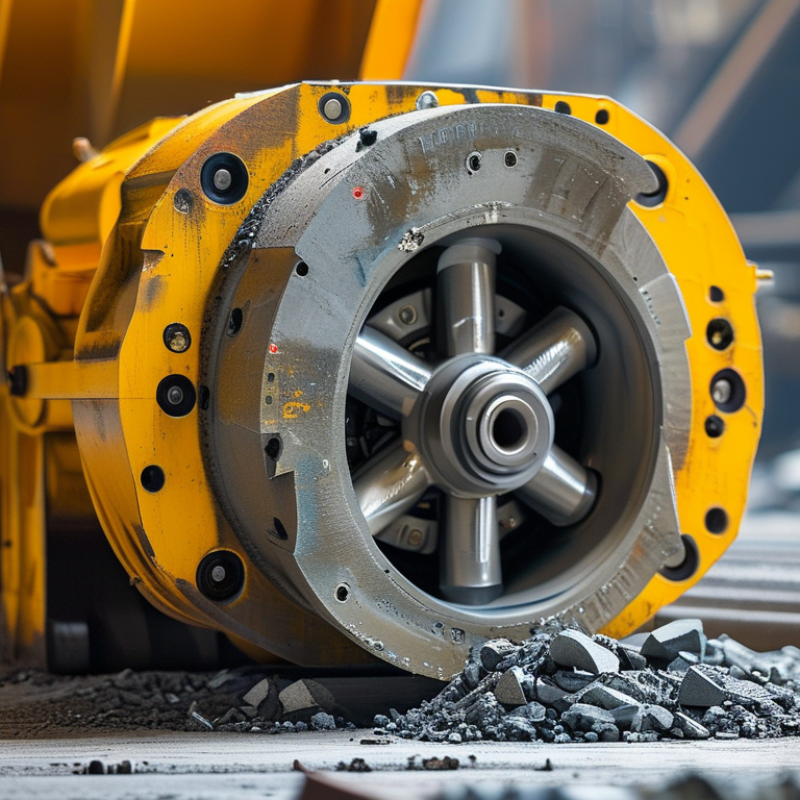
Understanding Cone Crusher Parts and Their Importance
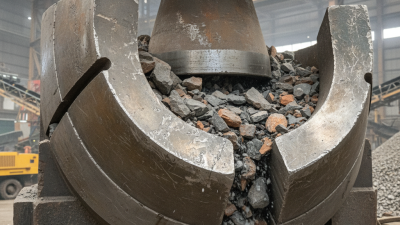
Cone crushers are vital for various industries. They crush rocks and ores, playing a crucial role in mining and construction. Understanding the parts of a cone crusher helps in maintaining efficiency and longevity. Key components include the mantle, bowl liner, and concave. Each part has a specific function and contributes to the overall performance of the machine.
Proper maintenance is essential. Regular inspections can prevent major issues. Worn-out parts can lead to costly downtime. It’s essential to source high-quality replacement parts. Many buyers overlook this detail, opting for cheaper alternatives. This can affect efficiency and lead to unexpected failures. Reliable suppliers ensure that parts meet industry standards.
Choosing the right parts is not easy. It requires experience and knowledge. Some buyers may struggle with compatibility issues. Research is necessary to find components that fit specific models effectively. It’s a challenge to balance cost and quality. Investing in top-quality parts ultimately leads to better performance. Reflecting on these factors will enhance operational success and prevent future headaches.
Types of Cone Crusher Parts Available in the Market
When it comes to cone crushers, understanding the types of parts available is critical. Cone crushers utilize various components that serve different roles. Some of the most common parts include the mantle, bowl liner, and concave. These parts are essential for crushing materials efficiently and effectively. According to industry reports, the demand for high-quality cone crusher parts has increased significantly, reflecting a growing market for these essential components.
The mantle and bowl liner must be durable and resistant to wear. They are typically made from high manganese steel or alloy steel. These materials ensure longevity under the rigors of crushing operations. Data shows that proper maintenance of these parts can extend machine life by up to 30%. Other vital components include the hydraulic system and the eccentric shaft. These parts facilitate the cone crusher's operation and enhance performance, making them equally important.
However, choosing the right parts can be challenging. Not all suppliers offer the same quality. Some may provide parts that do not meet industry standards, leading to decreased productivity and increased downtime. Industry insights suggest that many users do not conduct sufficient research before purchasing. This oversight can result in poor parts selection and hinder the overall efficiency of the equipment. Being informed helps in making the best decisions for your operations.
Key Features to Look for in Quality Cone Crusher Parts
When sourcing cone crusher parts, several key features can significantly impact performance and longevity. Quality materials are paramount. High-grade alloys and steel resist wear and tear, ensuring longer service life.
According to a recent industry report, the right materials can improve the lifespan of equipment by at least 30%. This is crucial for global buyers aiming to maximize their investments.
Precision manufacturing is another vital aspect. Parts should adhere to strict tolerances to ensure proper fit and function. Misaligned components can lead to premature failures, reducing operational efficiency.
Research indicates that poorly manufactured parts contribute to over 25% of equipment downtime in mining operations. It's essential to verify the manufacturing processes used by suppliers.
Additionally, the availability of technical support and replacement components is significant. A reliable supplier will offer guidance on installation and maintenance. The data shows that companies with strong supplier relationships can reduce repair costs by up to 20%.
Hence, evaluating these factors is essential for informed decision-making when selecting cone crusher parts.
Global Suppliers of High-Quality Cone Crusher Components
When it comes to sourcing high-quality cone crusher components, global suppliers play a crucial role. These suppliers offer a range of parts, including liners, mantles, and gears. They ensure that every part meets strict quality standards. This commitment helps in maximizing the efficiency of cone crushers used in various industries.
**Tips:** Always research suppliers' backgrounds. Check their experience and expertise in the industry. A reliable supplier will provide documentation of their quality procedures.
The selection process is not always straightforward. Some buyers overlook the importance of material quality. Using subpar materials can lead to early wear and failure. Consider the manufacturing process as well. Quality checks during production make a significant difference.
**Tips:** Don’t be afraid to ask questions. Inquire about the source of materials and quality assurance practices. Understanding these factors can save you time and money in the long run.
Building strong relationships with suppliers can also lead to better pricing and support. Engage with them regularly for updates on new products. This can enhance your operations and ensure you always have access to top-quality parts.
The Role of Maintenance in Extending Cone Crusher Part Lifespan
Maintaining cone crusher parts is essential for optimal performance. Regular maintenance can significantly extend the lifespan of these components. According to industry studies, properly maintained crushers can last up to 30% longer than those that are neglected. This longevity results in reduced downtime and maintenance costs.
Lubrication plays a crucial role in this process. Adequate lubrication reduces friction, preventing wear and tear. It’s recommended that operators check oil levels frequently. Contaminated oil can lead to severe damage. Data from the National Stone, Sand & Gravel Association indicates that failures often result from poor lubrication practices. Routine inspections can help identify potential issues before they escalate.
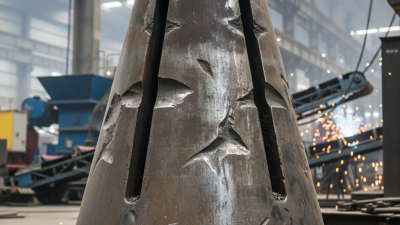
Operators should also monitor wear parts, such as liners and mantles. These often need replacement after 400 to 500 hours of operation, depending on the material processed. Failure to replace these parts on time can lead to catastrophic breakdowns. Regularly scheduled maintenance checks, along with proper training for personnel, can create a more reliable operation. Investing time and resources into these practices pays off. Ignoring them can result in costly repairs and delays.
Impact of Regular Maintenance on Cone Crusher Part Lifespan