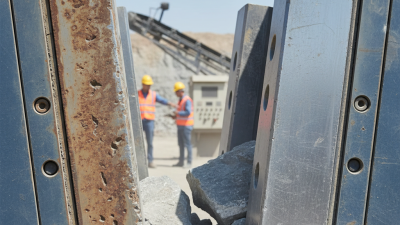
Choosing among China’s top jaw crusher plate suppliers requires more than comparing prices or catalog claims. Jaw Crusher Plate Material determines how a plate responds to repeated impact, abrasive rock, and changing feed conditions. A plate that performs well in clean limestone may wear quickly when crushing hard, silica-rich stone. Small details matter: alloy chemistry, heat treatment, tooth profile, and the fit between the plate and crusher.
Mineral-processing author Barry A. Wills is a recognized voice in the field, but I cannot verify a direct quotation from him about jaw plate materials. Rather than invent one, this guide uses a practical principle: “Match material selection to the rock, operating conditions, and wear evidence.” It is an editorial summary, not a verbatim quotation. Supplier evaluations should likewise separate documented specifications from marketing language. Ask for material certificates, hardness data, and service references for comparable applications. Then compare expected wear life, delivery consistency, and technical support—not just the quoted alloy grade.
The overview ahead introduces ten Chinese suppliers and the factors buyers can use to assess them. Treat rankings as a starting point, not a guarantee. Actual performance depends on feed size, moisture, machine settings, and maintenance. Even a strong alloy can disappoint when the fit is wrong. Check the details before you commit.
Jaw crusher plates face repeated impact, compression, and abrasive sliding. Material selection controls service life, product size, and maintenance frequency. The U.S. Geological Survey reported approximately 1.5 billion metric tons of crushed stone production in 2023. This volume shows why wear-resistant plate design matters in aggregate plants.
High-manganese steel remains common because it hardens under impact. It suits river gravel, limestone, and recycled concrete with changing feed conditions. Martensitic alloy steel offers higher initial hardness and often performs better under severe abrasion. However, excessive hardness may increase cracking risk. Chromium carbide overlay materials resist sliding wear, but they require careful application and are less forgiving under heavy shock. These differences are practical, not merely laboratory values.
A plate should match the rock.
Field inspections should check tooth profile, surface cracking, fastening condition, and discharge setting. ASTM G81 provides a recognized method for evaluating jaw crusher gouging abrasion. Still, laboratory results cannot predict every quarry. Moisture, oversize feed, tramp iron, and uneven feeding can change wear dramatically. One useful mistake is choosing the hardest plate automatically. Harder is not always better. Reliable suppliers should provide chemical composition, hardness ranges, traceability records, and test evidence. Buyers should compare service hours under similar feed conditions, not only purchase price.
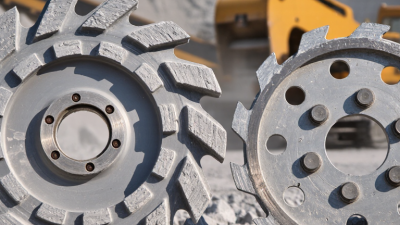
Jaw crusher plates begin with alloy selection. Manufacturers choose manganese steel or other wear-resistant grades based on impact loads and the rock being crushed. A controlled melt is poured into molds shaped for the plate profile. After cooling, each casting is heat-treated to develop toughness and resist work hardening. The process is precise, but small variations in chemistry or temperature can still affect performance.
Quality checks examine dimensions, surface defects, and material properties. Inspectors may use hardness testing, chemical analysis, and ultrasonic examination to detect internal flaws. Plates are also checked against drawings, especially around mounting holes and tooth profiles. These details matter: a poor fit can cause uneven wear or loosen during operation. Testing reduces risk, though it cannot predict every field condition.
Tips: Ask for a material test report and confirm the plate matches your crusher model. Check wear patterns during routine inspections; uneven teeth may signal alignment issues. Keep records. They help reveal trends, but readings can be inconsistent if inspection methods change.
China Top 10 Jaw Crusher Plate Material Suppliers
Criteria for Evaluating Chinese Jaw Crusher Plate Suppliers
Choosing a jaw crusher plate supplier requires more than comparing quoted prices. Start with the material grade and its suitability for your feed. High-manganese steel is common, but alloy content, heat treatment, and casting quality affect service life. Ask for a material certificate and recent hardness or chemical-composition test results. Useful evidence includes traceable batch numbers, not just a polished brochure.
Check whether the supplier can match your crusher model, plate profile, and mounting dimensions. A small fit error can cause uneven contact, vibration, or premature wear. Request dimensional drawings and confirm tolerances before production. Then review quality controls: How are castings inspected for cracks and internal defects? Can the supplier explain its sampling process? Specific answers matter. Vague promises do not.
Compare wear performance against your actual operating conditions, including rock hardness, feed size, and crushing settings. A plate that lasts well in one quarry may perform poorly in another. Ask for relevant case records, while treating unverified claims cautiously. Delivery reliability, packaging, and replacement-part support also count; a low price loses appeal if downtime stretches for weeks. I would not judge a supplier from one test alone. Results can vary, and even careful buyers sometimes overlook installation or operating differences. Keep the evaluation practical, documented, and open to revision.
Evaluation Criteria for Jaw Crusher Plate Suppliers
Suggested evaluation weighting for comparing suppliers—not supplier-specific ratings or measured market data. Assess material composition and heat treatment, wear-test evidence, dimensional compatibility, quality traceability, production capacity, delivery performance, and technical support using documented records and application-specific requirements.
China’s jaw crusher plate suppliers include foundries focused on manganese steel, alloy-steel casters, heat-treatment specialists, custom-pattern workshops, and high-volume producers. Other profiles emphasize replacement-part fit, wear testing, export packing, mine-site support, or short-run orders. These ten capability profiles help buyers compare suppliers without treating a ranking as proof of performance. Details matter.
The World Steel Association’s 2025 World Steel in Figures reports China produced 1,005.1 million tonnes of crude steel in 2024, from 1,882.6 million tonnes worldwide. That scale supports a broad manufacturing base, but it does not guarantee consistent jaw-plate quality. Ask for material certificates, heat-treatment records, hardness readings, and sample measurements against the crusher drawing. A single hardness reading can mislead. Check how the supplier controls plate thickness near the tooth tips, where uneven wear can shorten service life. Some suppliers publish test results; others provide little beyond a quotation, which makes comparison harder. Independent inspection may be worthwhile for critical orders.
A jaw crusher plate is not just a wear part. Its material affects service life, product shape, and the time your plant spends offline. When comparing suppliers in China, share your feed type, compressive strength, moisture level, and target output size. A supplier who asks for these details is more likely to recommend a suitable alloy and plate profile than one who quotes from dimensions alone. Ask how material chemistry and hardness are checked, and request inspection records for the batch you plan to buy.
Look beyond the unit price. Compare expected tons crushed per set, delivery lead time, machining accuracy, and the supplier’s process for handling fit or quality issues. Ask for references from operations with similar rock and crusher conditions. Small details matter: bolt-hole alignment, tooth profile, and contact between the plate and jaw can affect installation and wear. Keep a drawing and sample measurements on file. A few millimeters can make a difference.
Be cautious with claims of unusually long life. Wear varies with feed and operating settings, so no supplier can promise the same result at every site. Start with a trial order and track operating hours, tonnage, and plate condition. Your records may be imperfect at first. That is still useful data.
| Evaluation Area | What to Check | Relevant Material or Evidence | Why It Matters in Crushing Operations |
|---|---|---|---|
| 1. Material grade | Confirm the specified steel grade and applicable standard for each jaw plate. | High-manganese austenitic steel is commonly used for work-hardening jaw plates; request the grade designation and material certificate. | Grade affects work-hardening behavior, toughness, and suitability for the feed material and operating conditions. |
| 2. Chemical composition | Request a heat-specific chemical analysis rather than relying only on a general product description. | Check reported carbon and manganese content against the agreed specification; verify other alloying elements where specified. | Composition helps establish that the supplied casting matches the ordered material specification. |
| 3. Heat treatment | Ask for the heat-treatment procedure and the inspection records for the production batch. | High-manganese steel castings are commonly solution-treated and rapidly quenched; the exact process should match the supplier’s stated specification. | Appropriate heat treatment supports the intended austenitic structure and toughness of the casting. |
| 4. Hardness verification | Check the specified hardness range, test method, test locations, and batch traceability. | Request hardness results from the actual batch. Hardness should be interpreted alongside the material grade and heat-treatment records. | A single hardness figure cannot establish wear life, but inconsistent results can flag a need for further review. |
| 5. Casting quality | Review inspection criteria for cracks, shrinkage, inclusions, and other casting discontinuities. | Ask which visual and non-destructive examination methods are available and whether inspection records can be supplied. | Defects in a jaw plate can affect service reliability and may lead to premature failure. |
| 6. Profile and dimensions | Confirm plate dimensions, tooth profile, mounting points, and drawing revision before production. | Use an approved drawing or a verified sample; request dimensional inspection results for critical features. | Correct fit and profile are necessary for installation, jaw alignment, and the intended crushing action. |
| 7. Crusher compatibility | Verify the crusher model, jaw position, and required plate configuration. | Specify whether the part is for the fixed or swing jaw and confirm the machine’s part reference and interface dimensions. | Jaw plates are not universally interchangeable; incorrect configuration can cause fit or operating problems. |
| 8. Application knowledge | Discuss feed size, rock type, abrasiveness, moisture, and operating conditions with the supplier. | Request a recommendation that explains its assumptions and identifies the material or profile proposed for the application. | Wear depends on the material being crushed and operating conditions, so service-life claims should be treated as application-specific. |
| 9. Quality documentation | Check whether inspection documents are linked to the supplied production batch. | Request a material certificate, chemical analysis, heat-treatment record, dimensional report, and inspection records as applicable. | Traceable documentation makes it easier to verify conformity and investigate quality issues. |
| 10. Commercial and delivery terms | Compare lead time, minimum order quantity, packaging, warranty terms, and replacement-part support. | Obtain a written quotation with the part specification, agreed inspection requirements, delivery terms, and stated exclusions. | Clear terms help reduce procurement delays and avoid misunderstandings about what is included in the supply. |
| Supplier selection guide: These are evaluation criteria, not a verified ranking of individual suppliers. Confirm specifications, test results, delivery commitments, and suitability directly with each prospective supplier before ordering. | |||