Inquiry
Form loading...

What Is a Jaw Crusher Plate and What Types Are There?

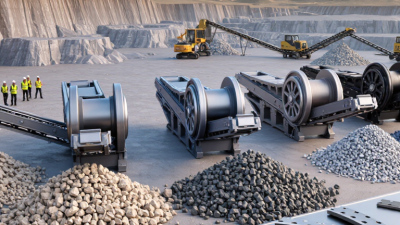
A Jaw Crusher Plate is the replaceable working surface inside a jaw crusher. It grips rock against the opposing plate, then helps break it under compression. In a quarry, the difference is visible: one plate profile may bite into angular basalt, while another handles abrasive, rounded feed more steadily. Material, tooth shape, and fit all affect wear and output. The choice is practical, not cosmetic.

The U.S. Geological Survey’s Mineral Commodity Summaries 2024 estimated U.S. crushed-stone production at about 1.5 billion tons in 2023. That scale helps explain why plate life matters: unplanned replacement can interrupt a busy crushing circuit. Still, production figures do not predict wear at an individual site. Rock hardness, feed size, moisture, settings, and operating practice change the result. Small details count.

This guide explains what a Jaw Crusher Plate does and compares common types, including different profiles and wear materials. It also considers how operators can match a plate to the feed and inspect it for uneven wear. A named expert quotation cannot be responsibly verified from the information provided, so none is invented here. That limitation matters. A sourced quotation should be checked against its original technical publication or interview before publication.
What Is a Jaw Crusher Plate and What Types Are There?

What a Jaw Crusher Plate Is

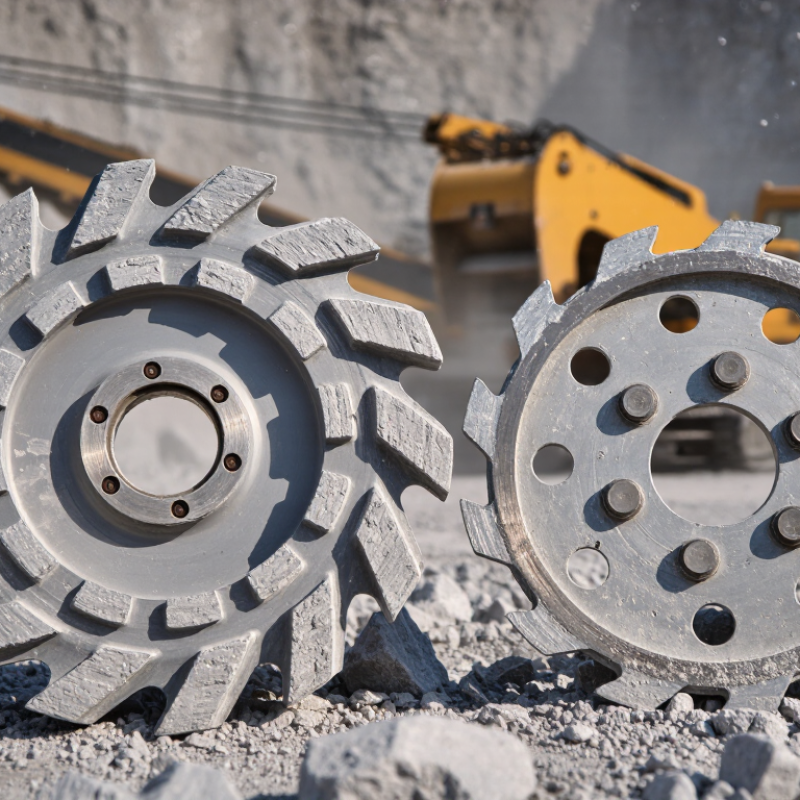
A jaw crusher plate is the replaceable wear surface fixed to either the stationary jaw or the moving jaw. Together, the plates form the crushing chamber. As the moving jaw presses toward the stationary one, rock is squeezed and fractured between their faces. The plate is not a drive component; it is the part that directly meets the feed and absorbs much of the crushing wear. That distinction matters.

The working face may have raised teeth or ridges to grip material and guide it downward. Plate shape and thickness affect the chamber profile, product size, and how evenly the crusher wears. Many plates use manganese steel, which can work-harden under repeated impact, though the right material depends on the feed and operating conditions. There is no universal best plate. A hard, abrasive feed may wear a plate differently from softer, more breakable rock.

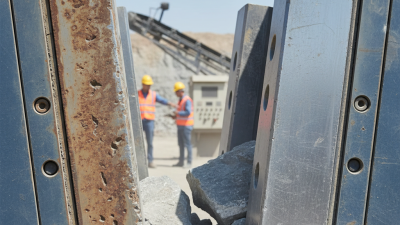
A practical inspection looks beyond the visible face. Check for cracks, uneven wear, loose fasteners, and poor seating against the jaw. A plate can appear usable from the front while its contact surface needs attention. Measure wear consistently; appearance alone can mislead. Replacement timing depends on the crusher, material, and operating limits, so maintenance records are useful. Still, measurements are not the whole story. A change in product shape or unusual vibration may deserve a closer inspection.
How Jaw Crusher Plates Crush Material

What Is a Jaw Crusher Plate and What Types Are There?

How Jaw Crusher Plates Crush Material

A jaw crusher plate forms one wall of the chamber where rock is reduced. One plate stays fixed; the other moves toward it and then draws back. When the plates close, trapped material is compressed until it fractures. The gap narrows toward the bottom, so pieces can break again as they move downward.

The action is simple. The details matter.

Plate faces often have ridges that help grip stone instead of letting it slide. As the moving plate retreats, crushed material drops and fresh feed enters from above. The next closing stroke catches it.

Real feed is less tidy than diagrams suggest: damp fines, flat pieces, and uneven loading can change how steadily material moves. The discharge opening, or closed-side setting, influences the size of the output, but it does not set every fragment to one exact size. Not quite.

Stone shape, hardness, plate profile, and wear all affect the result. Operators can check for uneven wear and adjust or replace plates according to the crusher maker’s guidance. A worn face may grip less effectively, and that can alter throughput and product shape.

Key Components and Materials of Jaw Plates

A jaw crusher plate is the replaceable surface that grips and breaks rock inside the crushing chamber. Most machines use one stationary plate and one moving plate. Their faces meet under pressure, reducing feed material into smaller pieces. The raised teeth or ridges help bite into rock, while the spaces between them guide crushed material downward. Tooth shape affects grip, output size, and wear.

High-manganese steel is common because repeated impact can harden its surface while the interior remains tougher. This balance helps resist cracking during demanding crushing cycles. Some plates use alloyed steels to suit different feed materials and operating conditions. Abrasive stone may wear a plate quickly, even when its surface looks sound.

Hardness alone does not tell the whole story. Toughness matters too.

Plate construction also includes mounting holes, contact surfaces, and sometimes backing components that hold the plate securely against the jaw. A poor fit can cause movement, uneven wear, or stress around fasteners. Fit matters. During inspections, look for rounded teeth, cracks, loose bolts, and wear that differs across the plate. In practice, wear rarely looks perfectly even, which can make replacement timing less obvious than expected. A brief visual check may miss damage beneath the surface.

Common Types of Jaw Crusher Plates

What Is a Jaw Crusher Plate and What Types Are There?

Common Types of Jaw Crusher Plates

A jaw crusher plate is a replaceable wear surface inside the crushing chamber. The fixed plate faces the moving plate, which compresses rock between them. Plate selection affects grip, product size, and wear. Fit matters. A plate must match the crusher’s design and feed conditions.

Common types differ by tooth profile and material. Corrugated plates have ridges that help grip larger pieces. Coarser teeth suit many primary crushing jobs; finer profiles can produce smaller material but may clog with sticky feed. Flat profiles serve particular applications, so check the machine manual before choosing. High-manganese steel is widely used because repeated impact can harden its surface. The USGS Mineral Commodity Summaries 2024 estimated U.S. crushed-stone production at about 1.5 billion metric tons in 2023—a reminder of the scale of aggregate processing, not a plate-life benchmark.

Tips: Match the profile to rock size and abrasiveness, then inspect wear across the plate face. Uneven wear may signal poor feed distribution. Keep notes on plate changes and output; that record can guide the next choice. It is not perfect, but it beats guessing.

How to Choose a Jaw Plate for an Application

Choosing a jaw plate starts with the feed, not the catalog. Identify the rock type, hardness, silica content, moisture, and maximum feed size. Quartz-rich granite can abrade teeth quickly; wet clay may pack the chamber and change crushing conditions. Match the tooth profile to feed shape and product requirements, then check the crusher’s feed opening and closed-side setting. Small checks matter. High-manganese steel can work-harden under impact, but low-impact conditions may not bring out that benefit evenly.

The USGS Mineral Commodity Summaries 2024 estimates U.S. crushed-stone output at about 1.5 billion tons in 2023. That scale shows why plate wear and changeout time affect costs; it cannot predict wear at one site. Track tonnes per set, plate mass loss, product gradation, and downtime across several changes. Compare cost per ton, not purchase price alone. If wear concentrates on one side, inspect feed distribution, cheek plates, and alignment before choosing a harder alloy. A tougher plate is not automatically longer-lived.

What Is a Jaw Crusher Plate and What Types Are There? - How to Choose a Jaw Plate for an Application

Dimension Jaw Plate Type or Option Typical Characteristics Common Application Fit Selection Considerations
Definition Fixed and moving jaw plates Replaceable wear liners attached to the stationary and moving jaws. They grip and crush feed material as the jaws close. Primary crushing of rock, ore, concrete, and other suitable feed materials. Confirm the crusher model, plate profile, mounting pattern, and permitted plate dimensions before ordering.
Wear material Austenitic manganese steel A widely used jaw-plate material. Under suitable impact and crushing conditions, its surface can work-harden while the interior remains tougher. Many applications involving abrasive, impact-loaded rock crushing. Performance depends on feed, crusher settings, and operating conditions; a harder grade is not automatically better for every application.
Tooth profile Coarse or tall corrugated teeth Pronounced ridges provide gripping points and help bite larger pieces of feed. Coarser, blocky feed where secure gripping is needed. Check feed size, feed shape, and the crusher’s recommended profile. Tooth geometry can affect capacity, product shape, and wear pattern.
Tooth profile Fine or closely spaced corrugations More closely spaced ridges offer more contact points than a coarse profile; the exact effect depends on plate geometry and feed. Applications where a finer gripping pattern is compatible with the feed and crushing stage. Avoid choosing by profile name alone. Verify the recommended plate design for the specific crusher and material.
Tooth profile Flat or smooth face Has less prominent surface relief than a corrugated plate. Specialized duties where a flat profile is specified for the crusher and feed conditions. Not a universal choice for slippery or difficult-to-grip feed; follow the crusher maker’s application guidance.
Plate arrangement Single-piece or multi-piece plate Jaw faces may use one plate or multiple sections, depending on crusher design. The arrangement is determined primarily by the crusher model and its maintenance design. Use the specified section layout and fasteners; plate sections are not necessarily interchangeable between designs.
Reversible design Reversible jaw plate Some plates are designed to be turned or repositioned to use another wear area. Suitable only where the plate and crusher design explicitly allow reversal. Inspect the wear pattern and follow the specified turning procedure and limits. Do not assume every jaw plate is reversible.
Feed material Hard, abrasive rock Abrasive minerals can accelerate plate wear; feed properties and operating conditions affect service life. Quarrying and mineral-processing duties, subject to crusher capacity and feed-size limits. Compare wear life under actual site conditions and inspect for uneven wear, cracking, or damage during maintenance.
Feed material Concrete or demolition feed Feed may vary in size and composition and can contain reinforcing steel or other contaminants. Recycling operations using a jaw crusher configured for the material and site process. Check the crusher’s limits and site procedures for tramp material; no plate profile eliminates the need for proper feed control.
Operating setup Closed-side setting (CSS) and feed size The jaw opening setting and the size and consistency of the feed influence crushing action and product size. All jaw-crusher applications. Choose a plate profile compatible with the target product and crusher configuration; adjust settings only within specified limits.
Final selection Application-matched plate The appropriate choice combines compatible dimensions and fit with a suitable material and tooth profile. Any jaw-crushing operation. Consider crusher model, feed type and size, abrasiveness, desired product, operating pattern, wear history, and maintenance requirements. Confirm the final specification in the equipment manual.