Top 10 Jaw Crusher Plate Types for Global Buyers?
The Jaw Crusher Plate is a critical component in various industrial applications. These plates withstand significant wear and tear, making them essential for efficient crushing operations. Different types of Jaw Crusher Plates cater to diverse needs in the market. Buyers should understand these options to select the best match for their specific requirements.
In this competitive landscape, knowledge of various Jaw Crusher Plate types enhances decision-making. This guide explores the top 10 types, highlighting their features, benefits, and drawbacks. Choosing the right plate can significantly impact production efficiency and equipment longevity.
Despite advances in technology, buyers often face confusion over plate types. Misunderstandings can lead to poor purchasing decisions. Engaging with experts and delving into industry trends brings clarity. This approach fosters informed choices, vital for optimizing production and minimizing operational issues.
Types of Jaw Crusher Plates: An Overview for Buyers
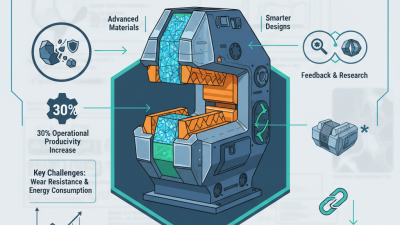
When it comes to jaw crushers, plate types play a crucial role in their efficiency and durability. Buyers should consider factors like material, design, and application. A report by the International Journal of Engineering Research highlights that using the right jaw plate can increase production efficiency by up to 30%. Different plates have distinct advantages. For example, heavy-duty plates are ideal for crushing harder materials, while lighter plates may be suitable for softer rocks.
Understanding the various types of jaw crusher plates is essential for maximizing performance. High manganese steel is well-known for its excellent wear resistance. This type can withstand significant impact forces. Conversely, ceramic jaw plates are gaining attention for their lightweight properties and resistance to abrasion. However, they may not perform well under heavy stress. Each type has pros and cons depending on the specific application.
Investing in the right jaw plate can yield substantial long-term benefits. Choosing incorrectly could lead to premature wear or insufficient crushing efficiency. Research indicates that maintenance costs can rise by 20% due to poor plate selection. Thus, it is vital to conduct thorough research before making a purchase. A well-informed decision can significantly influence production rates and operational costs.
Key Materials Used in Jaw Crusher Plate Manufacturing
Jaw crusher plates play a crucial role in the efficiency of crushing operations. The materials used in their manufacturing determine their durability and effectiveness. One of the most common materials is high manganese steel. It exhibits excellent impact resistance and hardens upon impact. According to industry reports, up to 90% of jaw plates are made from this material due to its reliable performance.
Another notable material is low alloy steel. While it is less common, it offers good toughness and a lighter weight. Studies indicate that *low alloy steel plates can outperform traditional options* in specific applications. However, they may not endure extreme conditions, highlighting the need for proper material selection based on operational requirements.
Further exploration reveals that ceramic composites are gaining traction in some sectors. They provide superior wear resistance. However, their cost can be prohibitive for smaller operations. The balance between cost and performance remains a critical consideration for many buyers.
Material choice directly influences the longevity and efficiency of jaw crusher plates. Evaluating this will enhance productivity and reduce unexpected downtimes in crushing operations.
Factors Influencing the Selection of Jaw Crusher Plates
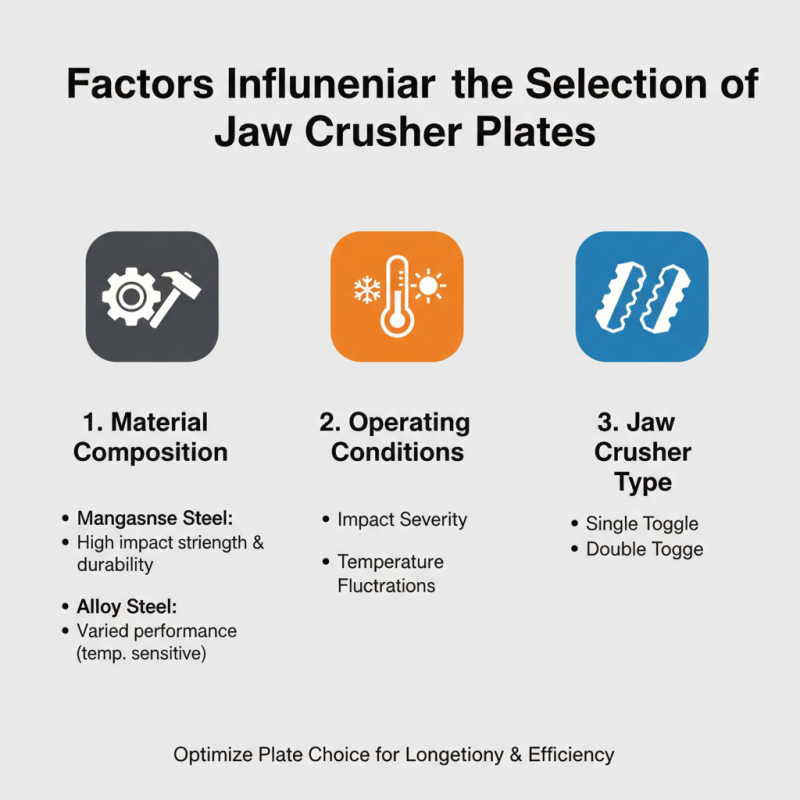
When selecting jaw crusher plates, several factors play a crucial role. Material composition is one of the most significant parameters. Common materials include manganese steel and alloy steel. Manganese steel offers high impact strength and durability under severe conditions. However, its performance can vary, especially with fluctuating temperatures.
Another essential factor is the hardness of the material being crushed. Studies show that harder materials require tougher plates. For instance, the ability to withstand abrasive wear influences plate life and overall efficiency. In certain conditions, a hardness level of 450 BHN (Brinell Hardness Number) can be optimal. Buyers should weigh the compressive strength of the material and abrasion resistance as key metrics.
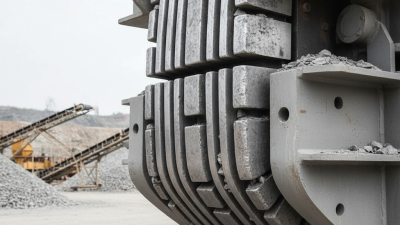
Additionally, the design and geometry of the jaw plate can affect performance. Plates with a curved or toothed profile can enhance the crushing process. These designs optimize the friction between the plate and the material. However, this increased complexity may introduce potential manufacturing inconsistencies. Regular analysis of wear patterns and operational performance is essential. Tracking these metrics helps buyers select suitable jaw plates that match their unique operational needs.
Comparison of Different Jaw Crusher Plate Designs
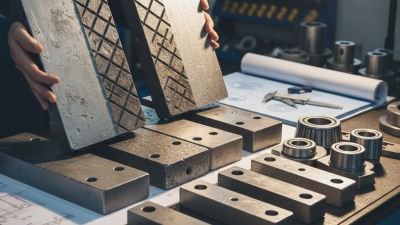
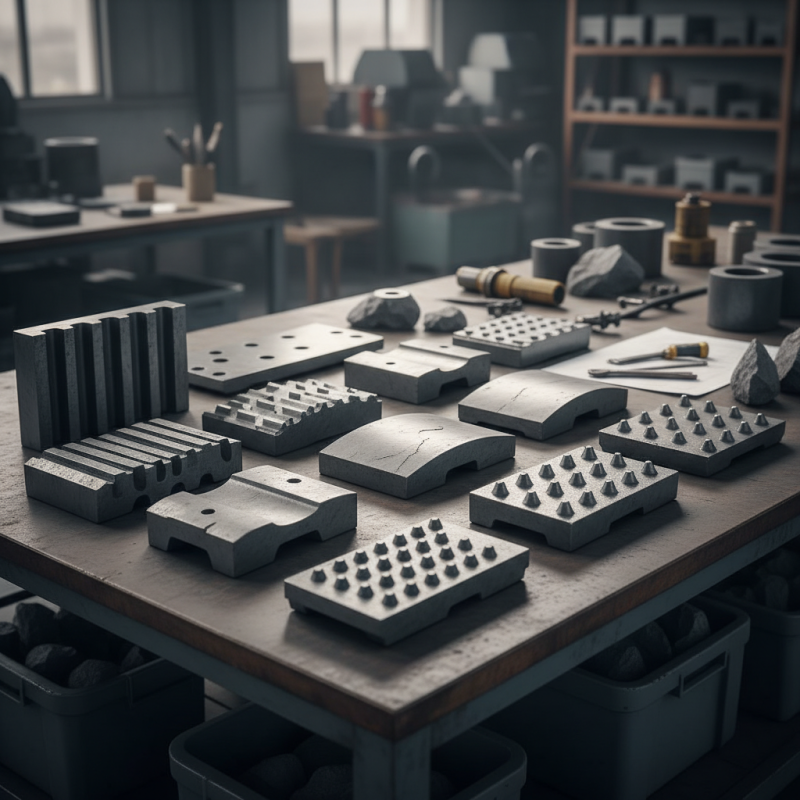
When comparing different jaw crusher plate designs, understanding the material and shape is crucial. The standard options include flat, curved, and jaw plates with special profiles. Each design serves a specific purpose, impacting efficiency and wear resistance. For example, a flat plate minimizes wear but may not handle material as efficiently as a curved one.
Another factor to consider is the thickness. Thicker plates tend to last longer but can increase the machine's overall weight. This may lead to higher operational costs due to energy consumption. Conversely, thinner plates reduce weight but wear out more quickly. Choosing the right thickness is often a challenge for users.
Material selection is equally important. High manganese steel is commonly used for its durability. However, different alloys can enhance performance under varying conditions. Using the wrong material can lead to premature failure. Testing and adjusting designs can lead to improved performance, though many users overlook this step. Investing time in understanding these aspects can lead to better decision-making in selecting the most suitable jaw plate design.
Global Market Trends for Jaw Crusher Plates and Their Applications
The global market for jaw crusher plates is evolving rapidly. These plates are critical in mining, construction, and recycling industries. Their design and material composition significantly influence performance and durability. As demand grows, manufacturers are focusing on innovative production techniques. Advanced materials enhance wear resistance and reduce downtime.
When selecting jaw crusher plates, buyers should consider application-specific requirements. Not all plates perform similarly in different environments. Mining applications may require heavy-duty plates. In contrast, recycling applications might need lighter, more flexible plates. Understanding these nuances is vital for maximizing efficiency.
Tips: Research material specifications for better performance. Always ask suppliers about testing data. Regularly evaluate plate wear to avoid unexpected failures. The landscape of jaw crusher plates is diverse, and staying informed can lead to better purchases.