Top 10 Stone Crusher Fixed Jaw Features You Must Know?
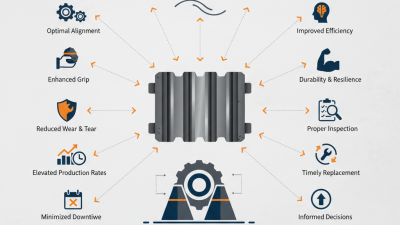
The "Stone Crusher Fixed Jaw" plays a crucial role in the efficiency and functionality of crushing operations across various industries. According to industry reports, around 70% of stone crushing failures stem from inadequate maintenance of these jaws. Their durability and design impact overall equipment performance significantly.
In the current market, advances in materials science have led to the development of fixed jaws with enhanced wear resistance. Studies show that using high-quality alloys can increase the lifespan of these jaws by up to 40%. This improvement is vital since downtime for maintenance can cost companies thousands of dollars.
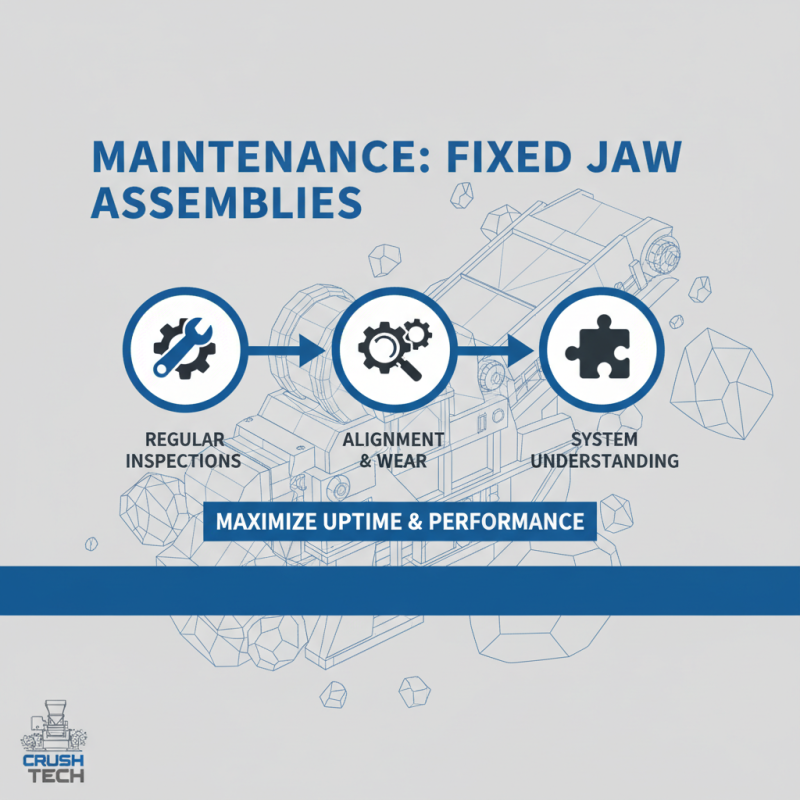
However, some operators overlook the importance of regular inspections. Neglecting this aspect can lead to unexpected failures, impacting production schedules. Optimal performance relies on understanding the specific features of a "Stone Crusher Fixed Jaw" design. Grasping these nuances can help companies avoid unnecessary expenses and improve operational efficiency.
Key Functions of Fixed Jaw in Stone Crushers
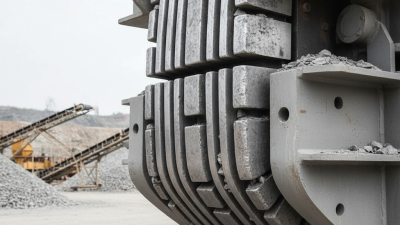
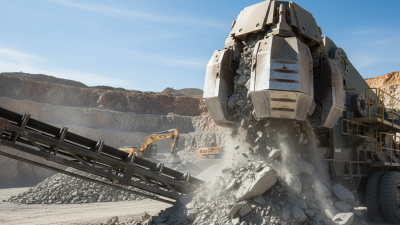
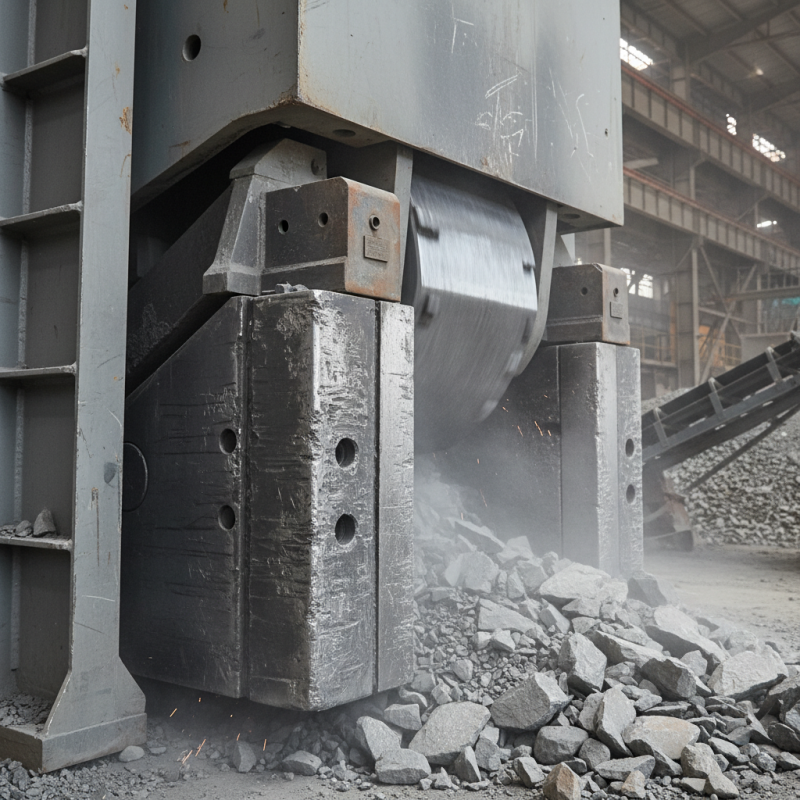
In stone crushers, the fixed jaw plays a crucial role. It serves as a stationary surface that crushes the material against a moving jaw. This action leads to efficient size reduction of rocks and stones, which is vital for subsequent processing. The design and material of the fixed jaw influence the machine's overall effectiveness.
Understanding the key functions of the fixed jaw can enhance operational performance. A well-designed fixed jaw maintains consistent pressure on the materials, leading to more even crushing. When the wear on the fixed jaw becomes noticeable, it's essential to assess its condition. Regular inspection can identify cracks or deformation, which can affect crushing efficiency.
Tips: Always check for wear and replace when necessary. Proper maintenance extends the jaw's lifespan. Adjusting the gap between the fixed and moving jaw can improve output size. Experiment with different settings to find what works best for your material. Building a solid understanding of these key features can significantly impact your quarry operations.
Material Composition and Durability of Fixed Jaw Plates
The fixed jaw plate of a stone crusher plays a critical role in the crushing process. Understanding its material composition is essential for optimizing performance. Typically, these plates are made from high manganese steel or other durable alloys. High manganese steel can withstand heavy impacts and resist wear. This makes it ideal for crushing hard materials, especially in demanding environments.
Durability is not solely about material choice. The design and manufacturing process also impact the lifespan of the fixed jaw plate. Impurities in the metal can lead to unexpected failures. Regular inspections and maintenance are vital in identifying wear patterns. Even the best materials can perform poorly if not properly aligned.
While high-quality materials offer enhanced performance, they also come with a cost. Weighing price versus durability can lead to tough choices for operators. It’s essential to balance initial investments with long-term benefits. Understanding these aspects helps in making informed decisions about replacements and upgrades. In the end, a well-crafted fixed jaw plate is crucial for efficient stone crushing operations.
Top 10 Fixed Jaw Plate Features: Material Composition and Durability
Design Features Influencing Crushing Efficiency
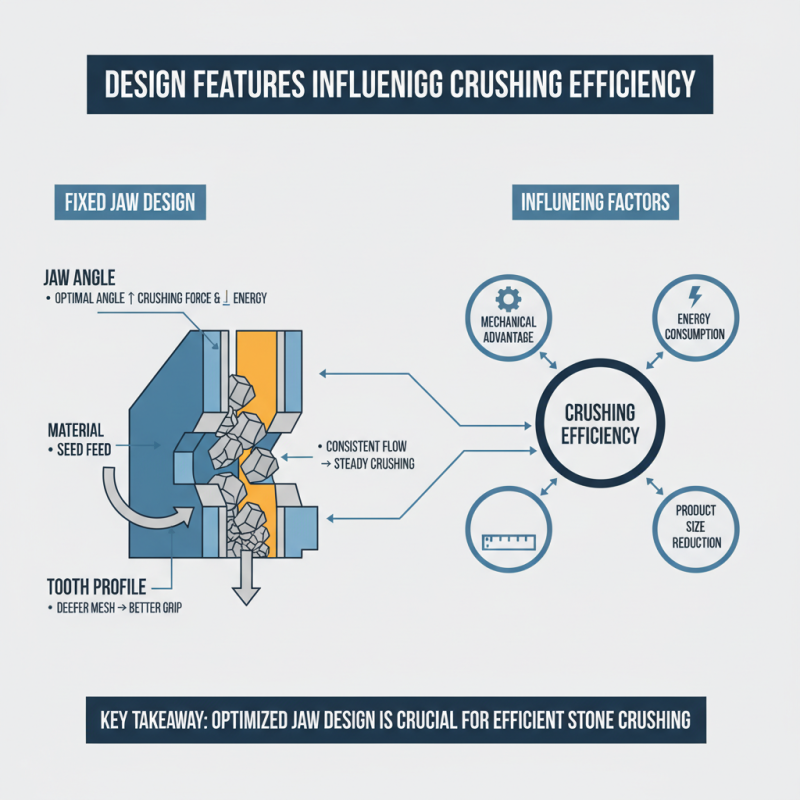
In stone crushing, the fixed jaw plays a crucial role in determining overall efficiency. Design features greatly influence the crushing process. A fixed jaw's angle, for example, directly affects material size reduction. An optimal angle maximizes contact with the material, enhancing force application and reducing energy consumption.
Material selection for the fixed jaw is another important factor. High-impact resistant materials like manganese steel can withstand the rigorous demands of crushing operations. Reports indicate that using quality materials can extend service life by up to 25%. However, not all operations use optimal materials. This oversight can lead to frequent equipment failures, ultimately increasing operational costs.
The surface profile of the fixed jaw impacts how materials are crushed. Smooth jaws may cause slippage, while textured jaws enhance grip, improving efficiency. Studies suggest adjusting the surface profile can lead to a 15% increase in throughput. Many operators overlook these features, focusing instead on other elements. This approach can hinder overall performance and profitability.
Common Issues and Solutions with Fixed Jaws in Crushers
Fixed jaws in stone crushers are crucial for optimal performance. However, they often face common issues that can disrupt operations. Misalignment is a frequent problem. It can lead to uneven wear and tear. This not only affects the jaw's effectiveness but also shortens its lifespan. Regular monitoring of alignment should be implemented. Simple adjustments can often prevent bigger problems down the line.
Another prevalent issue is the accumulation of debris between the jaws. This can hinder proper crushing and lead to overheating. Operators should regularly check and clean the area to ensure smooth operation. Maintenance routines should include examining the fixed jaws for cracks and wear. Addressing these issues early can save time and resources.
User expertise plays a critical role in identifying and resolving such problems swiftly. An experienced operator can spot irregularities before they escalate. The knowledge surrounding fixed jaw conditions is often based on real-world experiences, leading to improved reliability in operations.