Inquiry
Form loading...
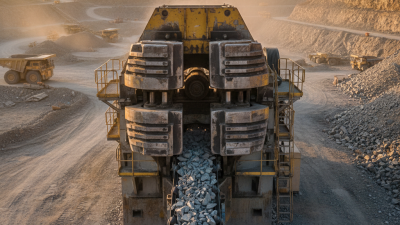
Choosing the right Jaw Plates For Crushing Stone starts with the rock, not a catalog photo. Granite, basalt, and river gravel place different demands on a crusher. Hard, abrasive feed can wear a plate quickly, while softer stone may suit a different tooth profile and operating setup. In the field, operators notice small clues: polished grooves, uneven wear near the discharge end, or a rising power draw. Those signs matter.
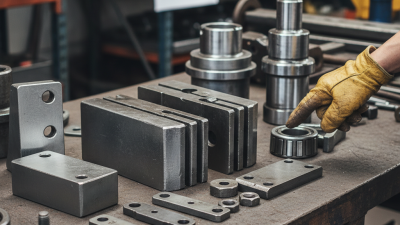
This guide compares common jaw-plate types, including corrugated, tooth-shaped, and flatter profiles, and explains where each may perform well. A coarse tooth can grip slabby feed, but may affect product shape and wear patterns. The guide also considers manganese-steel grades, plate thickness, crusher compatibility, feed opening, and closed-side setting. A plate must fit the machine correctly; even a strong alloy cannot make up for poor seating or loose fasteners. Manufacturer specifications and wear records are more reliable than claims that one design suits every quarry. Not always. The best choice depends on stone hardness, abrasiveness, moisture, feed size, and the balance between throughput and service life. Mixed feed and oversized pieces are easy to overlook. Real sites are messier than charts suggest. Use these criteria to narrow the options, then compare actual wear and production data before ordering replacements.
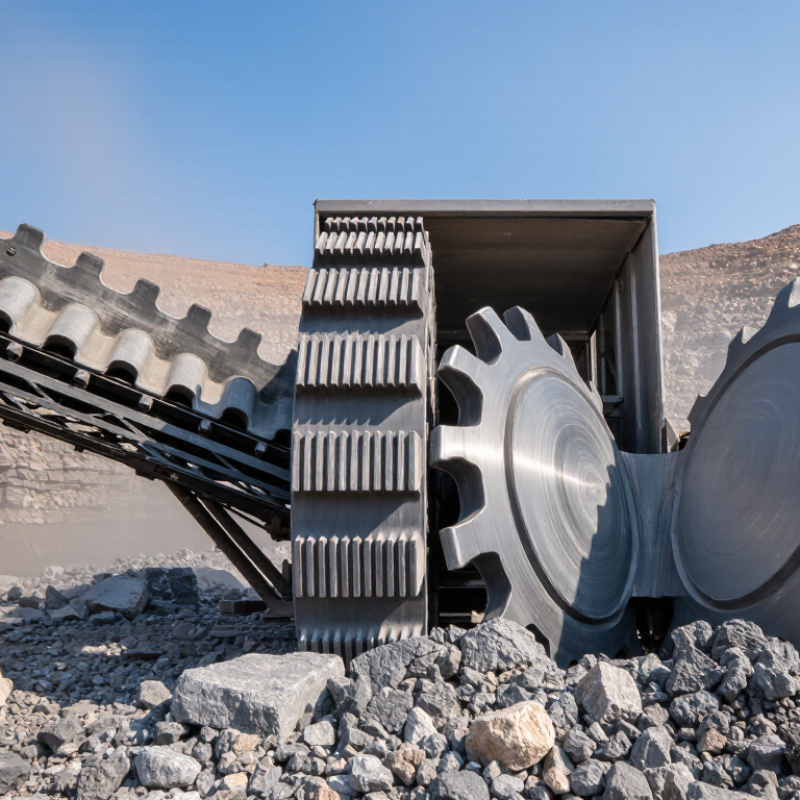
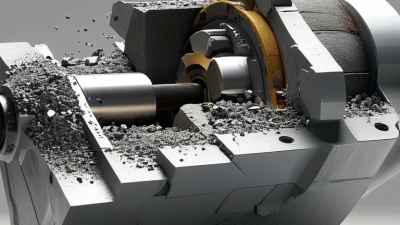
Jaw plates are the working surfaces inside a jaw crusher. One plate stays fixed while the other moves toward it, gripping and compressing stone. The repeated strokes fracture larger pieces until they can pass through the discharge opening. Simple action. Heavy wear.
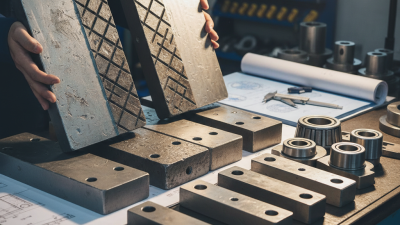
Plate shape affects how material enters and breaks. Coarse, corrugated teeth can help grip larger, hard feed, while finer profiles may suit smaller or more uniform stone. High-manganese steel is commonly used because it can work-harden under impact, but the right choice depends on the rock, crusher settings, and operating conditions. A plate that performs well on one quarry’s limestone may wear quickly on abrasive granite. There is no universal best.
Operators can learn a lot from the wear pattern. Uneven wear may point to poor feeding, misalignment, or a mismatch between the plate profile and the feed. Check for cracks, loose fasteners, and rounded teeth during planned inspections; replace worn plates according to the equipment maker’s guidance. Keep hands clear and follow lockout procedures before inspection. It is tempting to blame the steel alone. That may be wrong: feed size and crusher adjustment matter, too. A wear log helps reveal patterns, though it cannot explain every sudden change.
| Top Jaw Plates for Crushing Stone: Which Type Is Best? — What Jaw Plates Do in Stone-Crushing Operations | |||||
|---|---|---|---|---|---|
| Jaw Plate Type | Typical Material | Profile and Crushing Action | Best Suited Stone and Feed | Main Advantage | Selection Consideration |
| Standard toothed plate | Work-hardening manganese steel is common; exact alloy composition varies by application. | Raised teeth grip material and promote biting and compression as the movable jaw closes. | General-purpose primary crushing of hard, abrasive rock such as granite and basalt, when feed size and crusher settings are suitable. | Versatile profile with good grip across a broad range of quarry feed. | Tooth shape and pitch should match the feed size and rock characteristics. Very fine or flaky feed may pack between teeth. |
| Coarse-tooth plate | Typically manganese steel selected for impact and work-hardening service. | Large, widely spaced teeth create deeper pockets that help capture and break larger pieces. | Large, blocky feed in primary crushing, including competent hard rock. | Improves initial bite on oversized or difficult-to-grip lumps. | May produce a less even product shape than finer profiles; check that the tooth geometry is compatible with the crusher and feed. |
| Fine-tooth plate | Commonly manganese steel; alloy and heat treatment depend on the crusher duty. | Closer-spaced teeth provide more contact points and smaller crushing pockets. | Smaller feed or applications where a more controlled reduction is needed. | Can improve grip on smaller pieces and support more consistent crushing action. | Not usually the first choice for very large feed; closely spaced pockets can be more prone to packing with damp or sticky material. |
| Corrugated plate | Often made from manganese steel for work-hardening under compressive and impact loads. | Alternating ridges and grooves help grip material and guide it through the crushing chamber. | Many common quarry applications, particularly where reliable material engagement is important. | Offers a practical balance of grip and general-purpose crushing performance. | Performance depends on the corrugation shape, feed gradation, and jaw setting; inspect wear patterns to confirm the profile is working as intended. |
| Flat or smooth plate | Material varies with the crushing duty; manganese steel may be used where its work-hardening properties are appropriate. | A relatively even face relies more on compression and less on tooth engagement. | Selected applications with smaller or already-sized feed, and some duties where a flatter crushing surface is preferred. | Can provide a more uniform contact face for suitable feed conditions. | Usually offers less bite on large, irregular lumps than a toothed profile. Confirm suitability with the crusher manufacturer’s application guidance. |
| High-grip or deep-profile plate | Typically a manganese-steel alloy chosen for the expected impact, abrasion, and work-hardening conditions. | Pronounced teeth or ridges increase engagement with irregular pieces and resist material sliding across the jaw face. | Slippery, rounded, or difficult-to-grip feed, subject to rock strength and crusher design. | Can improve feeding action where material tends to slip instead of being drawn into the chamber. | Deep profiles are not universally best: tooth wear, chamber geometry, and the size and shape of feed should be considered together. |