Inquiry
Form loading...
Choosing the right Jaw Crusher Plate Material can determine how often a crusher stops, how evenly it wears, and how much rock it processes between maintenance checks. The USGS Mineral Commodity Summaries 2024 estimates that the United States produced about 1.5 billion metric tons of crushed stone in 2023. That scale makes wear-part selection a practical operating decision, not a minor purchasing detail. Still, national production figures do not predict wear at an individual quarry.
Rock type, feed size, moisture, crusher settings, and operating habits all affect plate life. Manganese steel is widely used because it work-hardens under impact, while alloy and martensitic steels may suit different wear conditions. High-chromium iron and composite designs can be options in specific applications, but they are not automatic upgrades. Fit comes first. A plate that performs well on abrasive granite may not be the best choice for a different feed or crushing circuit. The details matter.
This guide compares five jaw crusher plate materials by wear behavior, toughness, typical use, and trade-offs. It also considers practical questions, such as whether a harder surface actually improves service life in your operation. There is no universal winner, despite how tidy comparison charts look. Material recommendations should be checked against crusher-manufacturer guidance and site wear records. Those records can be imperfect, too, especially when operating conditions change. The most reliable choice starts with measured performance, not a hardness number alone.
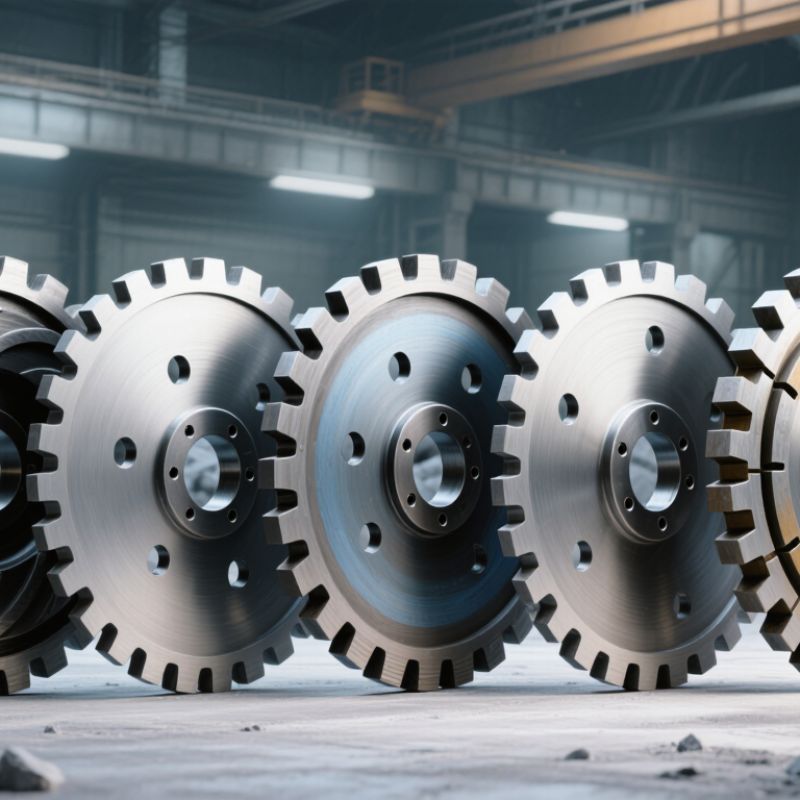
Manganese steel plates are widely used in jaw crushers handling hard, impact-heavy rock. Their main advantage is work hardening: repeated blows can harden the surface while the plate’s interior stays relatively tough. This helps the jaw resist cracking as chunks of rock are compressed and released. The effect depends on actual operating conditions. That matters.
A useful example is a feed of coarse, angular rock striking the jaw face during regular crushing. The surface gradually hardens, while the tougher material beneath it helps absorb impact. But manganese steel is not magic. If the feed is too small or impact is too light, the plate may not work-harden as expected and can wear sooner than anticipated. Feed consistency and correct plate seating deserve attention.
Operators can inspect wear patterns for clues. Deep grooves, uneven thinning, or cracking near mounting points may indicate issues beyond material choice, such as misalignment or uneven loading. Plate life also varies with rock abrasiveness, crusher settings, and maintenance. A harder alloy is not automatically a better choice. It is worth comparing measured wear and operating conditions before selecting a replacement.
| Material | Typical composition or structure | Impact toughness | Wear behavior | Best suited to | Key consideration |
|---|---|---|---|---|---|
| 12–14% manganese steel | Austenitic Hadfield-type steel; exact carbon and manganese limits depend on the specification. | Very high | Work-hardens under repeated impact; wear performance depends on the amount of impact and the feed material. | General-purpose crushing of hard, abrasive rock where impact is substantial. | May wear relatively quickly if crushing conditions produce too little impact to develop a hardened surface. |
| 18% manganese steel | Higher-manganese austenitic steel; grade chemistry and heat treatment vary by product specification. | Very high | Work-hardens in service; can offer a useful balance of toughness and wear life under suitable impact conditions. | Mixed or hard rock feeds and applications requiring a balance of impact resistance and wear life. | Higher manganese content does not guarantee longer life; feed size, impact, and crusher settings matter. |
| 20–22% manganese steel | High-manganese austenitic steel; available compositions and performance depend on the grade and manufacturing process. | Very high | Can provide good work-hardening behavior in high-impact service; results are application-dependent. | Severe-impact crushing where conventional manganese-steel plates wear too quickly. | Requires suitable impact to work-harden; confirm compatibility with the crusher and operating conditions. |
| Martensitic alloy steel | Heat-treated alloy steel with a martensitic structure; alloy content and hardness vary by grade. | Moderate to high, depending on hardness and heat treatment | Typically offers higher initial hardness than austenitic manganese steel, with less reliance on work-hardening. | Applications with abrasive wear and moderate impact, where feed and operating conditions suit the grade. | Increasing hardness can reduce toughness; avoid selecting by hardness alone when impact loads are high. |
| Low-alloy heat-treated steel | Steel containing modest alloy additions, supplied in a heat-treated condition; properties vary considerably by grade. | Moderate; grade- and heat-treatment-dependent | Can provide a practical balance of strength, hardness, and machinability for less severe wear conditions. | Lower-impact or less abrasive duties where a specified alloy-steel grade is approved for the crusher. | Not a universal substitute for manganese steel in severe-impact rock crushing; check the equipment maker’s material limits. |
Note: These are general material-selection comparisons, not guaranteed service-life ratings. Actual plate chemistry, hardness, toughness, and wear life vary by grade, heat treatment, crusher design, feed size, abrasiveness, and impact conditions.