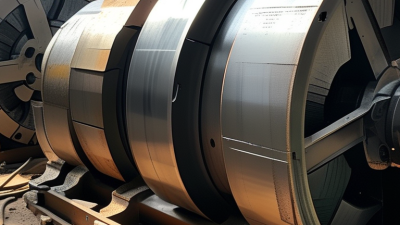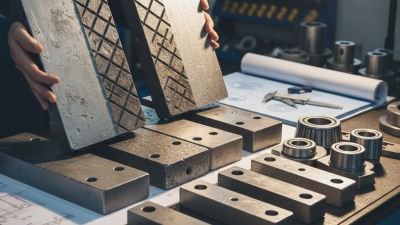
Moving jaw crushers bring primary crushing directly to quarries, demolition sites, and infrastructure projects. Their mobility can reduce material handling, but it does not guarantee lower costs. Buyers still need to match the feed opening, crusher capacity, and discharge setting to real site conditions.
The U.S. Geological Survey’s Mineral Commodity Summaries 2025 estimates U.S. crushed-stone production at about 1.5 billion tons in 2024. This scale reflects the continuing importance of aggregates in construction, though it does not measure demand for mobile crushers specifically. The International Energy Agency’s Global Critical Minerals Outlook 2024 also examines growing mineral supply needs and the pressure they place on mining operations. Together, these reports provide useful context—not a direct ranking of machines.
This guide compares ten Moving Jaw models for global buyers using practical criteria: published capacity, feed size, transport dimensions, power system, and support availability. Look closely at those numbers. A quoted hourly output can depend on rock hardness, moisture, feed consistency, and operator settings. Manufacturer specifications are useful, but they are not independent field tests. That limitation matters.
A compact unit may fit a narrow access road yet require frequent repositioning. A larger model may offer more capacity but create transport and service challenges. Buyers should verify local parts support and request application-specific references before committing. The shortlist is a starting point, not a universal verdict. Real sites are messier.
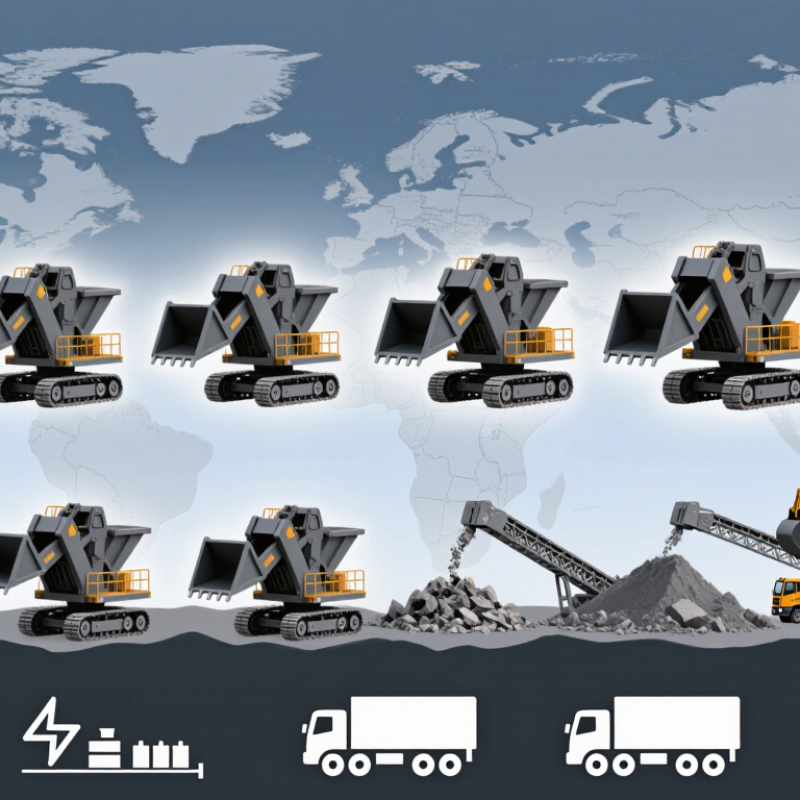
A moving jaw crusher uses one fixed jaw and one movable jaw to break rock by compression. The movable jaw hangs from an eccentric shaft above the crushing chamber. As the shaft turns, the jaw moves toward and away from the fixed jaw. This repeated motion creates a crushing cycle.
The process is simple, but its results depend on careful adjustment. Large rocks enter the V-shaped chamber from the top. The moving jaw presses them against the fixed jaw, while gravity carries smaller pieces downward. When the jaw opens, crushed material drops through the discharge gap. Operators usually call this gap the closed-side setting.
In practical use, I have found that feed consistency matters as much as machine size. Oversized rocks can create uneven pressure and accelerate liner wear. Moist, sticky material may also block the chamber. Not every performance problem comes from the crusher itself.
The eccentric shaft controls stroke and movement. Toggle plates transfer force and help protect major components during overloads. Flywheels store rotational energy, supporting smoother operation. Wear plates need regular inspection, especially near the lower chamber where abrasion is strongest.
A global buyer should check feed size, output range, rock hardness, and available maintenance skills. Power supply and transport limits also affect the best configuration. One detail is often missed: a larger crusher is not always more productive. Poor feeding can waste its capacity. Operators should record vibration, liner thickness, and product size during routine checks. Small observations often prevent expensive downtime.
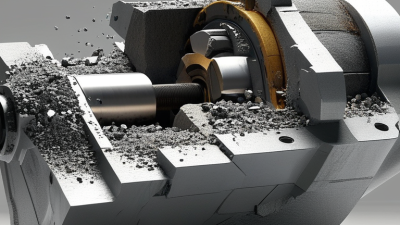
Leading mobile jaw crushers are separated by practical details, not capacity figures alone. A wide feed opening accepts bulky rock with fewer interruptions. A deep crushing chamber improves material flow and reduces bridging. Adjustable discharge settings help operators control product size at the quarry face.
During field inspections, I check the jaw plates first. Their shape, thickness, and fastening method affect wear costs. Replaceable cheek plates protect the chamber sides. Heavy-duty bearings support steady operation under vibration. A reinforced toggle plate can improve protection when uncrushable material enters the feed.
Mobility is another important distinction. Hydraulic folding systems can shorten setup time between work areas. Tracked undercarriages improve movement on uneven ground, although they may increase maintenance demands. Efficient engines and load-sensing hydraulics can reduce fuel use during changing workloads. Dust suppression, guarded access points, and clear emergency controls support safer daily operation.
Remote monitoring is useful, but it cannot replace physical checks. No specification sheet tells the whole story. I have seen machines with excellent output lose time because their service panels were difficult to reach. Buyers should compare local parts access, operator training, noise control, and documented test results. Performance also depends on rock hardness, moisture, feeding habits, and maintenance discipline. A high-capacity crusher may underperform when the feed arrangement is poorly designed. That is an easy detail to overlook.
Comparing ten moving jaw crushers for global buyers means looking beyond headline capacity. A compact unit may suit a tight quarry entrance, while a heavier machine can handle larger feed and longer shifts. Check the jaw opening, feed size, and discharge setting together; one impressive number rarely tells the full story. Dusty, wet material can also change performance. It is easy to overlook.
Across ten comparable configurations, track width, transport dimensions, and setup time can separate practical options from awkward ones. A machine that fits local haulage limits may save costly preparation, but verify dimensions with the supplier before planning delivery. Compare engine power and fuel use under similar working conditions, not just brochure estimates. Ask how quickly operators can clear a blockage and adjust the discharge setting. Those details matter on a busy site.
Maintenance access deserves equal attention. Look for reachable service points, clear safety instructions, and wear parts that can be sourced reliably in the intended region. Request operating references from sites handling similar rock, then confirm what the figures include. Output claims may depend on feed grading, moisture, and operator skill. One comparison can still miss something: site conditions are rarely as neat as a spreadsheet.
Top 10 Moving Jaw Crushers for Global Buyers
How to Match Crusher Capacity to Site Requirements
Selecting a moving jaw crusher starts with the site, not the catalogue. Measure the expected feed rate, maximum rock size, material hardness, moisture, and working hours. A quarry needing 400 tonnes per hour should not choose a machine rated at exactly 400. Production losses occur during loading, belt changes, liner wear, and short stoppages. A practical allowance of 15% to 25% gives the operation breathing room.
Capacity also depends on the closed-side setting. A smaller setting can improve product size, but it usually reduces throughput and increases power demand. Check the discharge target with the screening circuit. If the screen cannot handle the crusher’s output, the entire line slows down. Track daily tonnage, not only the advertised hourly figure. That number can look impressive.
Mobility changes the calculation. A tracked unit may suit scattered work areas, while a wheeled unit may move efficiently between prepared pads. Confirm ground bearing strength, ramp gradients, fuel access, and service space before delivery. Fine, wet feed can cause blockages. A grizzly, scalping screen, or pre-sorting stage may be necessary. The first capacity estimate is often wrong. Field data should challenge the original plan, especially after the first week of operation. Safety controls, guarding, noise limits, and local transport rules also deserve technical review before purchase.
The configurations below are generic mobile jaw-crusher classes, not specific products. Capacity figures are indicative ranges in metric tonnes per hour and can vary with feed gradation, rock hardness, moisture, crusher setting, screening, and operating conditions. Confirm final performance with a site-specific process assessment.
| Configuration | Indicative Capacity (t/h) | Typical Feed Opening (mm) | Typical Maximum Feed Size (mm) | Best-Fit Site Requirement | Key Matching Consideration |
|---|---|---|---|---|---|
| Compact crawler-mounted jaw crusher | 20–80 | 400 × 600 to 500 × 700 | 300–400 | Small quarries, urban construction, and restricted-access sites | Prioritize transport dimensions, setup space, and feed consistency over peak output. |
| Small mobile jaw crusher with vibrating grizzly feeder | 50–120 | 500 × 700 to 600 × 900 | 400–500 | Road projects and small aggregate operations with variable feed | A grizzly can bypass fines and help stabilize crusher loading; check the fines route. |
| Mid-size tracked jaw crusher | 80–200 | 600 × 900 to 750 × 1,000 | 500–650 | Contract crushing and medium-sized quarry development | Match the feed opening to the largest routinely delivered rock, not occasional oversize. |
| High-capacity tracked jaw crusher | 150–350 | 750 × 1,060 to 900 × 1,200 | 600–800 | Large construction sites and established aggregate production | Ensure the excavator, loader, and haul trucks can maintain the required feed rate. |
| Large mobile primary jaw crusher | 250–500 | 900 × 1,200 to 1,000 × 1,300 | 750–900 | High-volume quarry faces and primary reduction of blasted rock | Check power supply, foundation or ground bearing conditions, and downstream capacity. |
| Heavy-duty jaw crusher for hard, abrasive rock | 100–300 | 700 × 1,000 to 900 × 1,200 | 550–800 | Granite, basalt, and other demanding primary-crushing applications | Allow for wear-part cost, maintenance access, and reduced throughput at tighter settings. |
| Mobile jaw crusher with integrated prescreen | 80–250 | 600 × 900 to 900 × 1,200 | 500–800 | Feed containing removable soil, clay, or fine material | Prescreening can reduce unnecessary crushing; assess moisture and blinding risk. |
| Jaw crusher on a wheeled mobile chassis | 80–300 | 600 × 900 to 900 × 1,200 | 500–800 | Operations requiring frequent road transport between permitted sites | Verify road-transport regulations, towing configuration, and site access conditions. |
| Jaw crusher with onboard product conveyor | 60–250 | 500 × 700 to 900 × 1,200 | 400–800 | Sites seeking a compact crushing-and-stockpiling arrangement | Check conveyor discharge height, stockpile space, and whether a screening unit is needed. |
| Jaw crusher in a multi-stage mobile plant | 100–400 | 600 × 900 to 1,000 × 1,300 | 500–900 | Projects that require coordinated primary crushing and downstream sizing | Size the complete plant around the bottleneck stage and required final product gradation. |
Selecting a moving jaw crusher requires more than comparing purchase prices. In field inspections, I have found that feed size, rock hardness, and daily output often decide performance. Measure the largest stones entering the hopper. Then match the feed opening and rated capacity carefully. A machine may promise high output, yet unsuitable material can cause blockages and premature wear. Check frame strength, jaw plate design, transport dimensions, and available service support before ordering.
Maintenance conditions deserve equal attention. Inspect jaw plates, toggle components, bearings, belts, and fasteners on a fixed schedule. Keep lubrication clean and use the specified grade. Dust can turn neglected grease into abrasive paste. Watch for unusual vibration, rising bearing temperature, or uneven product size. These signs should trigger a controlled shutdown and inspection, not a hurried adjustment beside moving parts.
Operational records improve reliability. Log operating hours, plate changes, lubrication dates, and recurring faults. This evidence helps maintenance teams predict downtime and verify supplier claims. I once underestimated the effect of wet, sticky feed; production slowed even though the crusher was correctly sized. That mistake still matters. Buyers should ask about local training, spare-part lead times, guarding, emergency stops, and documented safety procedures. A lower initial price may become expensive when transport delays, poor access, or unfamiliar maintenance practices are ignored. Small details matter.