Best Jaw Crusher Plate for Global Buyers Guide?
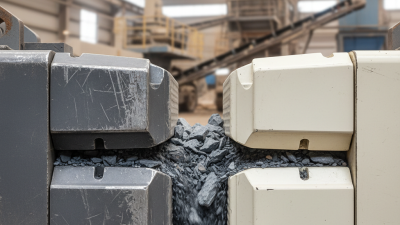
Choosing the right Jaw Crusher Plate is critical for successful mining operations. This essential component plays a key role in the crushing process. A well-designed plate ensures effective material breakdown and improved productivity. Global buyers may face challenges in selecting the best options available.
Quality and durability should be at the forefront of buyers' considerations. Various factors influence the performance of a Jaw Crusher Plate. Manufacturers may offer different materials and designs. Understanding these variations helps in making informed decisions. It's important to compare offerings from various suppliers.
Buyers often grapple with overwhelming information. The right choice can significantly impact operational efficiency. Investing in superior Jaw Crusher Plates may result in long-term savings. However, not all plates perform equally under different conditions. Users should reflect on their specific needs and requirements before finalizing a purchase.
The Importance of Jaw Crusher Plates in Mining and Construction
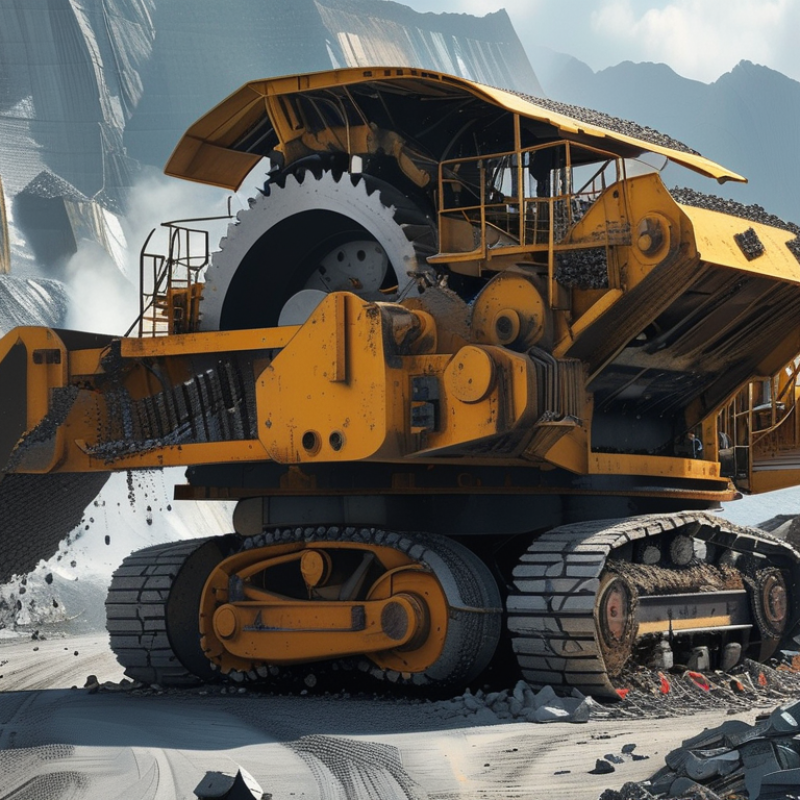
Jaw crusher plates are vital components in mining and construction industries. They are essential for crushing hard materials like rocks and ores. A study by Freedonia Group highlights that the global demand for crushers is projected to reach $5.5 billion by 2024. This growth emphasizes the need for quality jaw crusher plates that can withstand significant wear and tear.
Proper maintenance of these plates is crucial. They endure extreme forces, which can lead to fatigue and cracks. Regular inspections can identify problems early, preventing costly downtime. Operators should note wear patterns on the plates. This allows for timely replacements, minimizing disruptions in production schedules.
Tips for enhancing the lifespan of jaw crusher plates:
- Keep the crushing chamber clean to avoid clogging.
- Use appropriate materials to prevent abrasion.
- Monitor alignment and adjust as necessary.
Investing in high-quality materials can yield better performance. However, financial constraints may sometimes limit options. Balancing cost with durability requires careful consideration. Achieving the right mix can determine project success. Therefore, understanding how these plates function aids in making smarter purchasing decisions.
Best Jaw Crusher Plate for Global Buyers Guide
| Material |
Hardness (HRC) |
Thickness (mm) |
Weight (kg) |
Application Area |
| Manganese Steel |
22 - 24 |
30 |
150 |
Mining and Quarrying |
| High Chrome Iron |
58 - 62 |
40 |
120 |
Recycling and Waste Management |
| Alloy Steel |
30 - 34 |
25 |
110 |
Construction |
| Quenched and Tempered Steel |
35 - 40 |
35 |
160 |
Civil Engineering |
| Carbide Inserted |
70 - 80 |
50 |
200 |
Heavy Duty Applications |
Types of Jaw Crusher Plates Available in the Market
When considering jaw crusher plates, it's essential to understand the various types available on the market. Generally, there are three main types: standard, heavy-duty, and custom-designed plates. Each type serves different operational needs. According to a recent industry analysis, standard plates are widely used in the mining sector due to their balance between cost and durability. Heavy-duty plates are preferred in more abrasive environments where higher resistance to wear is crucial.
Materials used in jaw crusher plates also differ. Most commonly, manganese steel is utilized because of its excellent toughness and resistance. Manganese content can range from 12% to 14%, providing enhanced abrasion resistance. Some manufacturers are now exploring new alloys during production to improve performance and lifespan. A report from a mining sector publication indicated that the right choice of material can increase a plate's lifespan by 30%.
However, buyers must consider that the right plate isn't always straightforward. The operational environment, such as the hardness of the material being crushed, directly influences the plate's effectiveness. Some users have reported frequent replacements due to inappropriate specifications. It's crucial for buyers to evaluate their needs carefully and possibly consult with industry experts to choose the right plate type. This approach minimizes costs and maximizes productivity in the long run.
Key Features to Consider When Selecting Jaw Crusher Plates
When selecting jaw crusher plates, there are several key features to consider. The material composition is crucial. Look for plates that provide superior hardness and wear resistance. According to industry data, high manganese steel is commonly used due to its excellent performance in high-impact environments. It's known to last longer, but it may require careful monitoring for deformation issues.
Another critical factor is the design of the plate. Many manufacturers recommend a profile that enhances crushing efficiency. A well-designed plate can increase product throughput significantly, as seen in various operational statistics. Keep in mind that poor plate designs may lead to uneven wear, impacting the machine's overall effectiveness.
Tips: Always assess the compatibility of the plate with your specific crusher model. Check for user reviews that highlight real-world performance. Additionally, consider the supplier’s reputation for quality and reliability. These insights can guide your choice and help avoid costly mistakes in the long run. Relying solely on specifications can be misleading; direct feedback from users can offer a clearer picture.
Comparative Analysis of Global Manufacturers of Jaw Crusher Plates
When considering the best jaw crusher plates, it’s essential to analyze global manufacturers. Various companies offer unique features and benefits in their products. Some focus on advanced materials, while others prioritize innovative designs to enhance performance.
Quality varies significantly across manufacturers. Some plates may excel in durability, but may lack efficiency under specific conditions. Others might provide excellent crushing performance but wear out too quickly. Understanding these nuances is important for buyers seeking reliability and longevity.
Researching customer reviews can provide insights into the pros and cons of different brands. It's essential to look for feedback on performance in real-world applications. Additionally, communication with suppliers can reveal more about the manufacturing processes and quality control measures they employ. A thoughtful approach to selecting a supplier can ensure a better fit for operational needs.
Comparative Analysis of Jaw Crusher Plate Materials
Maintenance Tips for Extending the Lifespan of Jaw Crusher Plates
Maintaining jaw crusher plates is crucial for their longevity. Regular inspections can reveal wear patterns early. This helps in scheduling timely replacements. It’s vital to check for cracks or deformation regularly. These issues can escalate if ignored. Proper maintenance can prevent unexpected downtime, saving costs.
Cleaning is just as important. Remove debris and buildup from plates and surrounding areas. This simple step can extend the life of the equipment. Using the right lubricants also plays a role. Apply them as per manufacturer guidelines to reduce friction. Proper alignment of the plates ensures optimal performance. Misalignment can lead to increased wear and tear.
Operators should be aware of the loading practices as well. Overloading can cause excessive strain on the plates. This not only shortens their lifespan but may lead to serious failures. Be mindful of operational habits. Continuous monitoring of performance will help identify issues proactively. Ensure that all personnel are trained and aware of best practices in handling equipment.