Top 10 Mining Machinery Jaw Plate Facts You Must Know?
Mining Machinery Jaw Plate plays a crucial role in the mining industry. Understanding its significance can enhance operational efficiency. This article explores ten essential facts about these vital components.
Manufacturers and engineers share insights to shed light on the intricacies of Mining Machinery Jaw Plates. Each plate serves unique functions, impacting durability and performance. Proper selection and maintenance are crucial for longevity.
While the benefits are clear, challenges exist. Misalignment and material choices can lead to degradation. This highlights the need for continuous learning and adaptation in the industry. A comprehensive understanding of these jaw plates is invaluable for success.
Top 10 Jaw Plate Materials Used in Mining Machinery
In the mining machinery sector, the choice of jaw plate material is crucial for efficiency and durability. Common materials include
manganese steel, which has excellent wear resistance and is known for its ability to absorb impact. Data indicates that
high-manganese steel can improve wear life by up to 40%. Its toughness makes it a favorite in many operations.
Another key material is alloy steel, often mixed with chromium, nickel, or molybdenum to enhance performance. This type of jaw plate can
withstand higher temperatures and aggressive mining conditions. Research suggests that alloys can increase operational longevity by 20%
compared to standard options.
Ceramic composites are emerging as game-changers. These provide lightweight yet strong alternatives, reducing energy consumption and improving handling ease. However,
their cost and fragility require careful consideration. Each material has its pros and cons, making the decision process complex. Balancing
durability, cost, and application remains a challenge for engineers in the mining industry.
Understanding the Role of Jaw Plates in Crushing Efficiency
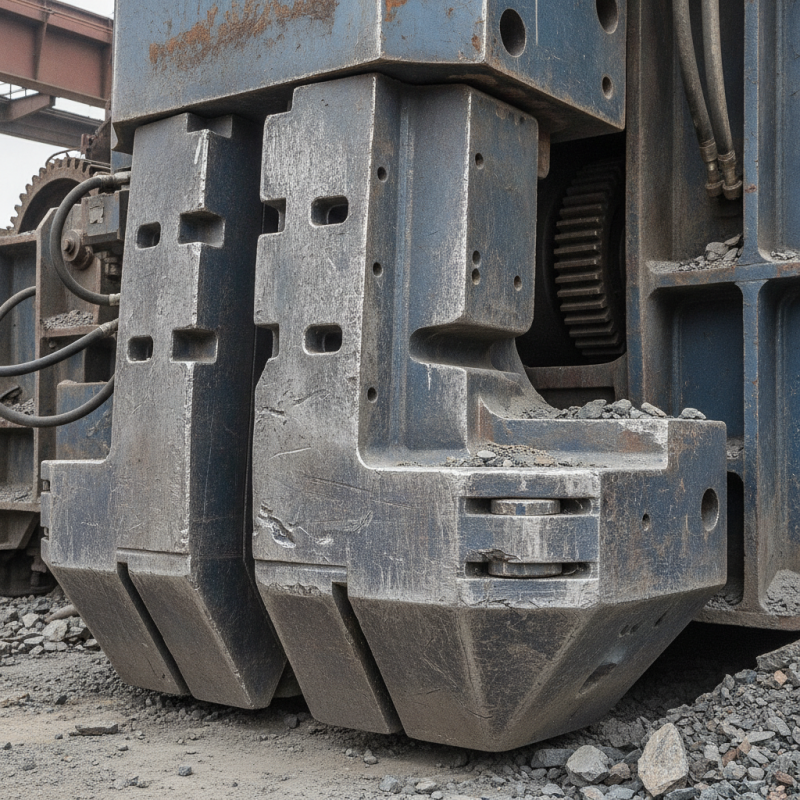
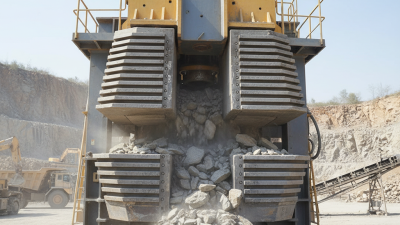
Jaw plates play a crucial role in mining machinery, particularly in jaw crushers. Their primary function is to crush materials efficiently by providing a powerful surface for impact. The efficiency of a jaw crusher can hinge on the design and condition of the jaw plates. According to industry reports, the wear rate of jaw plates can significantly affect operational costs. Regular monitoring and replacement are essential to maintain optimal performance.
Research indicates that well-designed jaw plates can enhance crushing efficiency by up to 30%. This improvement is vital for increasing the throughput of materials. However, selecting the right jaw plate material can be tricky. For instance, various materials exhibit different wear resistance levels. Some plates may last longer but could compromise material quality. Balancing longevity and crushing effectiveness often requires careful consideration.
Moreover, issues such as misalignment can lead to uneven wear. This does not only decrease efficiency but can also lead to unscheduled downtime. Operators must regularly inspect and adjust jaw plates. This ongoing maintenance is sometimes overlooked, resulting in costly repairs and losses. Hence, understanding the role of jaw plates is not just about performance; it also involves careful attention to detail and proactive management.
Key Factors Affecting Jaw Plate Wear Rates in Mining Operations
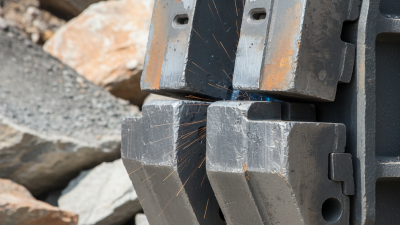
In mining operations, jaw plates play a crucial role in the efficiency of machinery. Their wear rates can significantly impact productivity and operational costs. Understanding key factors affecting these wear rates is essential for maintenance and longevity. Material composition is crucial. Harder alloys can resist wear but may become brittle over time. For example, a jaw plate made of high-carbon steel might last longer in specific conditions.
Another significant factor is the feed material itself. Variations in rock hardness and size affect wear. Softer rocks lead to slower wear, while harder materials increase deterioration rates. Also, the design of the jaw plate can influence how it interacts with the material it crushes. A poorly designed plate may lead to uneven wear, requiring more frequent replacements.
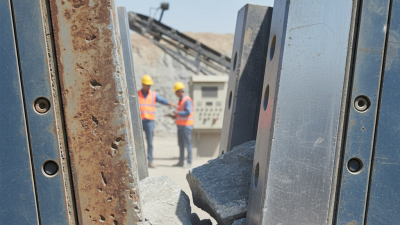
Operational practices play a vital role too. Misalignment or improper lubrication can exacerbate wear issues. Regular inspections can help identify potential problems early. Even with the best materials, neglecting maintenance can shorten a jaw plate's lifespan. Mining operators need ongoing training to ensure efficient practices that extend equipment life.
Comparative Analysis of Fixed vs. Movable Jaw Plates in Performance
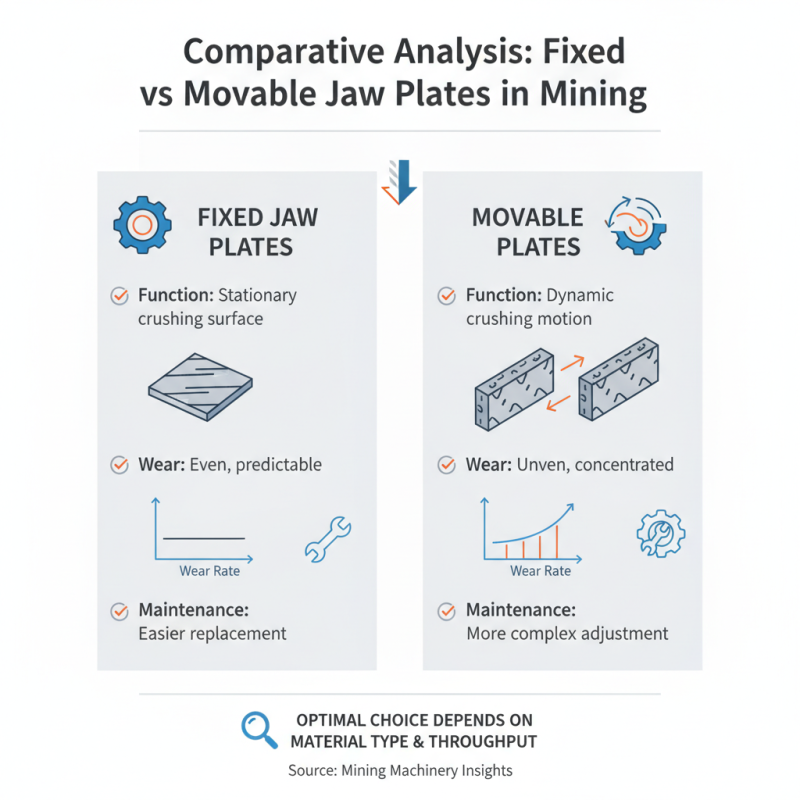
When it comes to mining machinery, jaw plates are essential components. They come in two main types: fixed and movable. Each type plays a critical role in the crushing process. Understanding their performance differences can guide better decisions in machinery operation and maintenance.
Fixed jaw plates remain stationary and handle the primary crushing force. They provide support and stability during the crushing process. However, they can wear out over time. Regular inspection is crucial to maintain their effectiveness. On the other hand, movable jaw plates are designed to move back and forth. This motion allows them to crush materials more effectively. But they may need more frequent adjustment and replacement due to increased wear.
Choosing between fixed and movable jaw plates requires careful analysis. An operator must consider the specific material being processed. The desired output shape also influences this decision. While fixed plates offer stability, they may lag in achieving certain output sizes. Movable plates can optimize material size but often lead to fluctuating performance. This balance requires constant evaluation and occasionally, rethinking existing practices. In the long run, knowing the strengths and weaknesses of each plate type can enhance operational efficiency.
Latest Technological Innovations in Jaw Plate Design and Manufacturing
Recent advancements in jaw plate design and manufacturing have transformed mining machinery. These innovations focus on enhancing durability, reducing wear, and improving overall efficiency. Engineers are experimenting with new materials, such as high-carbon steel and composite alloys, to extend the lifespan of jaw plates. These materials often withstand greater stress, enabling operators to maximize equipment productivity.
Additionally, the design of jaw plates has evolved with the integration of advanced modeling software. This technology allows for precise simulations of stress and strain during operation. As a result, manufacturers can optimize the geometry of jaw plates for better material flow and crushing performance. However, with rapid innovation comes the challenge of keeping up with these changes. Companies must continually train their staff on new techniques and technologies to stay competitive.
While the future looks promising, issues remain. Some manufacturers struggle with the production process, leading to inconsistencies in quality. It's crucial to address these weaknesses. The industry must prioritize rigorous testing and quality control measures. Continuous reflection on production practices will ultimately improve the reliability of jaw plates in mining applications.
Top 10 Mining Machinery Jaw Plate Facts You Must Know
| Fact No. |
Feature |
Description |
Material Used |
Advantage |
| 1 |
Surface Hardening |
Jaw plates are treated to enhance surface hardness for extended life. |
High Carbon Steel |
Provides better wear resistance. |
| 2 |
Asymmetrical Design |
Optimized for greater crushing efficiency and wear resistance. |
Manganese Steel |
Increases longevity and performance. |
| 3 |
Customizable Profiles |
Adjustable profiles for various rock types and applications. |
Chromium Steel |
Enhances adaptability and effectiveness. |
| 4 |
Weight Reduction |
Lightweight designs help in reducing overall machine weight. |
Aluminium Alloys |
Improves handling and reduces fuel costs. |
| 5 |
Improved Designed Geometry |
Enhanced shape for optimal crushing dynamics. |
Alloy Steel |
Allows for consistent material size reduction. |
| 6 |
Heat Treatment |
Processes to achieve desired hardness and toughness. |
Tempered Steel |
Enhances service life and strength. |
| 7 |
Simplified Maintenance |
Designs allowing easier jaw plate changes. |
Composite Materials |
Reduces downtime and maintenance costs. |
| 8 |
Advanced Coatings |
Special coatings to reduce friction and wear. |
Ceramic Coatings |
Extends the life of the jaw plate. |
| 9 |
Computer-Aided Design |
Incorporates CAD technologies for precise manufacturing. |
Steel Alloys |
Ensures superior component accuracy. |
| 10 |
Recycling Programs |
Sustainable practices for reusing and recycling old plates. |
Recycling Steel |
Promotes environmental sustainability. |