Top 10 Cone Crusher Concave Manufacturers for Global Buyers
Choosing a reliable Cone Crusher Concave manufacturer can affect wear life, product consistency, and maintenance planning. A concave that fits the chamber correctly helps maintain the intended crushing profile. In practice, details matter: alloy composition, heat treatment, casting quality, and the match between concave and mantle. A small mismatch may show up as uneven wear or reduced throughput.
This guide introduces ten manufacturers serving global buyers, with attention to product range, manufacturing experience, technical support, and supply capacity. These factors can help procurement teams compare options, but a ranking cannot replace a site-specific assessment. Crusher model, feed characteristics, operating conditions, and local service access all influence the right choice. Ask suppliers for dimensional drawings, material specifications, inspection records, and references for comparable applications. Check lead times, too. A low quoted price may look attractive, yet freight, fit-up, and downtime can change the total cost. Some claims are difficult to compare directly; buyers should verify them with documented evidence. That extra step is worthwhile. The overview offers a practical starting point, not a promise that one manufacturer will suit every operation. Use it to shape questions, then confirm compatibility with your equipment and operating data.
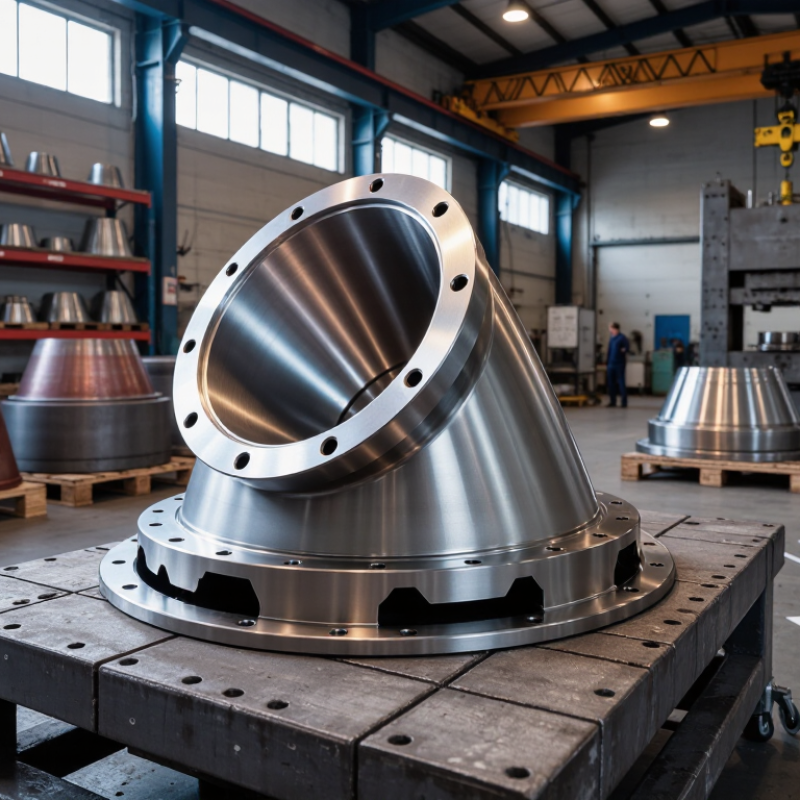
How Cone Crusher Concaves Function in Crushing Systems
Top 10 Cone Crusher Concave Manufacturers for Global Buyers
How Cone Crusher Concaves Function in Crushing Systems
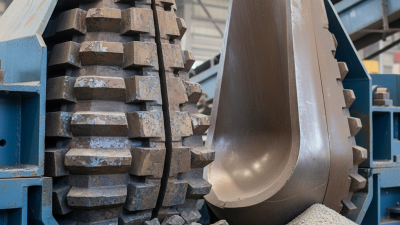
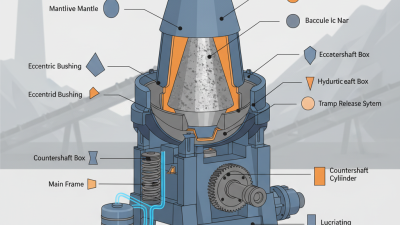
A cone crusher concave forms the stationary outer surface of the crushing chamber. Opposite it, the mantle moves in a circular path, repeatedly compressing rock in the narrowing space. The concave helps guide material downward as it fractures, while the gap between the liners influences the size and shape of the discharge. That gap matters. Feed size, rock hardness, moisture, and crusher settings all affect how consistently the chamber works.
Concaves are commonly made from wear-resistant alloys, but the right material and profile depend on the application. A quarry processing hard, abrasive stone may see a different wear pattern from one crushing softer rock. Operators can inspect liner thickness and look for uneven wear, especially around the feed zone. A worn profile may reduce capacity or change product grading, even when the crusher still runs. In practice, the picture is less tidy: feed can vary from shift to shift, and liner wear is not always uniform. Records of operating settings, tonnage, and liner changes help teams make more informed replacement decisions.
Materials, Design, and Quality Factors That Shape Concave Performance
A cone crusher concave works under repeated impact and sliding pressure, so its material must suit the feed and operating conditions. High-manganese steel is widely used because it can work-harden during service. The surface may become tougher as rock strikes it, while the core retains some toughness. But alloy content alone does not guarantee long life. Heat treatment, casting quality, and the concave’s fit in the crusher also matter. A brittle area or uneven wall thickness can lead to early cracking. Small details matter.
Design affects both throughput and wear. The concave profile should match the mantle and the crusher’s intended setting; a poor match can create uneven contact or a less stable product size. Ask manufacturers how they control dimensions and inspect castings, not just what alloy they offer. Useful checks include hardness readings at several points, visual inspection for casting defects, and dimensional verification against drawings. These checks help, but they cannot predict every site condition. Track wear patterns and service hours after installation, then compare them with feed size and abrasiveness. There is no perfect profile for every quarry, and even careful selection may need adjustment once real operating data comes in.
How to Evaluate Cone Crusher Concave Manufacturers for Global Procurement
For global procurement, evaluate cone crusher concave manufacturers on fit, material control, and verifiable service—not price alone. Start with the crusher model, mantle profile, feed size, and operating conditions. Ask whether the supplier can match your drawings and confirm critical dimensions before production. Fit matters. A small error can cause uneven contact, accelerated wear, or installation delays.
Request material certificates, heat-treatment records, and inspection reports for the actual production batch. Compare alloy composition and hardness with your application; harder is not automatically better if impact loading is high. Ask for wear data from comparable rock and duty cycles, then check how the figures were measured. Evidence beats promises. Review sample markings, packaging, and traceability procedures, especially when parts cross several shipping stages. A polished report may still omit the conditions behind its results, so ask for those details. Evaluate lead times, replacement-part availability, and technical support in your time zone. A low quote can become costly if fit corrections or freight delays follow. If possible, trial a small order and record operating hours, liner wear, and downtime. No single test settles the choice, but measured results are more useful than assumptions.
Profiles of Ten Cone Crusher Concave Manufacturers
The ten manufacturer profiles are most useful when treated as capability snapshots, not a simple league table. One foundry may specialize in high-manganese steel; another offers several alloy options for different feed conditions. Some focus on aftermarket dimensions, while others produce concaves to customer drawings. A few keep common patterns in stock. Others make-to-order, which can extend lead times. Fit matters. Profiles should also show casting inspection, hardness testing, wear-life records, and access to technical support. Ask how each supplier measures performance: operating hours alone can hide differences in feed size and chamber settings.
Demand makes these details practical. The U.S. Geological Survey’s Mineral Commodity Summaries 2024 estimated U.S. crushed-stone output at about 1.5 billion metric tons in 2023. That scale underscores the cost of unplanned crusher downtime, though it does not predict an individual concave’s service life. Compare the ten suppliers using the same questions: alloy specification, dimensional tolerance, traceability, sample testing, and replacement availability. Request a recent wear report from a comparable application. A profile without test conditions is incomplete. Even strong data can mislead when the rock changes. Real-world comparisons are imperfect, and buyers should say so.
How Buyers Can Compare Suppliers, Compatibility, and After-Sales Support
When comparing cone crusher concave manufacturers, ask for more than a price and a delivery date. Request material specifications, hardness data, and documented quality checks. A polished product sheet is useful, but it cannot confirm fit in your machine.
Compatibility starts with exact model and assembly details. Share equipment drawings, the current part number, and measurements of the seating surfaces. Check the concave profile against your mantle and intended feed size. Even a small mismatch can create uneven wear or poor nip conditions. Fit matters. Ask suppliers how they verify dimensions before dispatch, and whether they can provide inspection records for the actual component.
After-sales support is part of the purchase, not an optional extra. Find out who handles installation questions, how quickly technical staff respond, and what evidence is needed for a warranty claim. Ask for guidance on wear monitoring, such as recording liner thickness at regular intervals. A supplier should explain limits plainly, including when a part may not suit your operating conditions. That answer may be less convenient, but more credible. Buyers sometimes focus too heavily on initial cost; I would still compare lead times, replacement availability, and the quality of support during an unplanned shutdown. No checklist removes every risk.