What is Stone Crusher Moving Jaw and How Does It Work?
In the realm of aggregate processing, the "Stone Crusher Moving Jaw" plays a pivotal role. This component is essential for reducing large stones into smaller fragments. According to Dr. Emily Carter, an expert in mechanical engineering, “The moving jaw is where the initial crushing action happens.” Her insights shed light on its critical function in the crushing process.
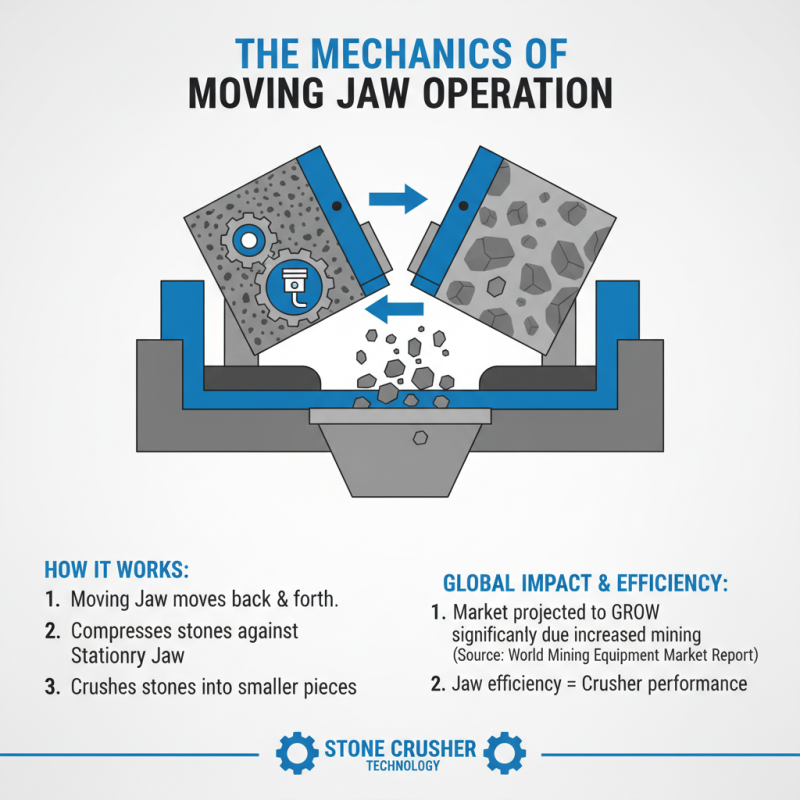
The Stone Crusher Moving Jaw operates with a simple yet effective mechanism. It moves in a back-and-forth motion, enabling stones to be crushed against the stationary jaw. This design emphasizes efficiency, but it also comes with challenges. Wear and tear is a constant concern. Operators must frequently inspect and replace this component to maintain optimal performance.
Understanding the intricacies of the Stone Crusher Moving Jaw is crucial. While it facilitates effective stone crushing, improper maintenance can lead to unexpected breakdowns. It's essential to consider these factors when managing a stone crushing operation. Overall, knowledge about this component not only enhances functionality but also ensures reliability in production.
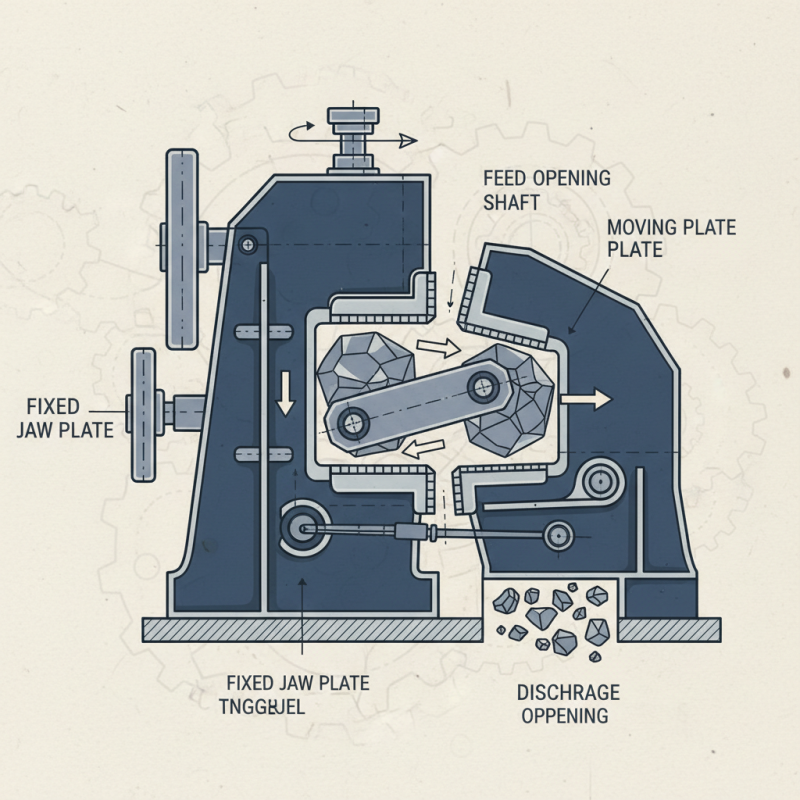
What Is a Stone Crusher Moving Jaw?
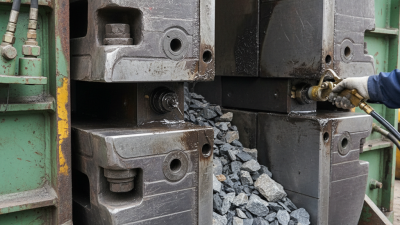
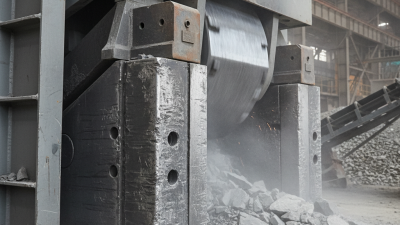
A stone crusher moving jaw is a critical component of the crushing mechanism. It plays an essential role in breaking down large rocks into smaller, manageable pieces. The moving jaw is a part of the crusher that moves back and forth during the crushing process. This movement creates the pressure needed to crush the stones effectively.
The design of the moving jaw is crucial. It should be sturdy enough to withstand the force generated during operation. Poorly designed jaws may lead to frequent breakdowns. This not only increases maintenance costs but can also slow down production rates. Observing how the moving jaw interacts with the stationary jaw provides insights into the overall efficiency of the crusher.
Maintaining the moving jaw is vital for optimal performance. Regular inspections can help identify wear and tear that might affect its function. However, some operators overlook this maintenance aspect. They may replace parts only when they break, resulting in more significant issues down the line. Proper care of the moving jaw can enhance the lifespan and reliability of the stone crusher.
The Function of a Moving Jaw in Stone Crushers
The moving jaw plays a crucial role in stone crushers. It is the component that crushes materials against a stationary jaw. When stone enters the crushing chamber, the moving jaw moves back and forth. This motion compresses the stones. As a result, the stones break into smaller fragments, allowing for easier processing.
For optimal performance, it's essential to maintain proper alignment of the moving jaw. Misalignments can lead to uneven wear and reduced efficiency. Check the bearings regularly to ensure they are well-lubricated. A well-maintained moving jaw will enhance the crushing force applied to the stones.
Operators should also consider the material being crushed. Different materials can generate varying levels of impact and wear. Using the right type of jaw for specific materials can improve both efficiency and lifespan. Remember, experimenting with settings may lead to better outcomes. If something doesn’t seem right, it’s time to reevaluate the process.
Function of a Moving Jaw in Stone Crushers
The moving jaw in a stone crusher plays a crucial role in the crushing process by exerting force on the material to break it down. This chart illustrates the performance metrics of a moving jaw, including crushing force, efficiency, wear rate, and maintenance frequency, which are essential for understanding its impact on crusher operation.
The Mechanics of Moving Jaw Operation
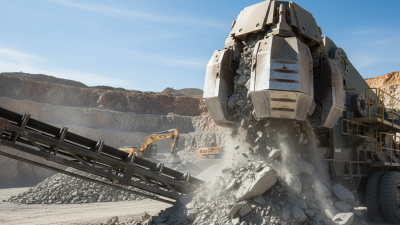
The moving jaw is a crucial component of a stone crusher. It works by moving back and forth against a stationary jaw, creating a compressive action. This action crushes stones into smaller pieces. According to the World Mining Equipment Market report, the global market for these machines is projected to grow significantly, driven by increased mining activities. The efficiency of the moving jaw directly affects the overall performance of the stone crusher.
During operation, the angle and amplitude of the moving jaw play important roles. A steeper angle can lead to better crushing efficiency, but may increase wear and tear on components. Industry experts note that maintaining optimal settings is vital for longevity and effectiveness. Regular inspections are recommended to avoid costly breakdowns.
Tips: Ensure that lubrication is applied to the moving jaw mechanism. This reduces friction and enhances durability. Pay attention to any unusual sounds during operation; they might indicate issues. Remember, even the best designs require regular maintenance to perform effectively.
Factors Influencing Moving Jaw Performance
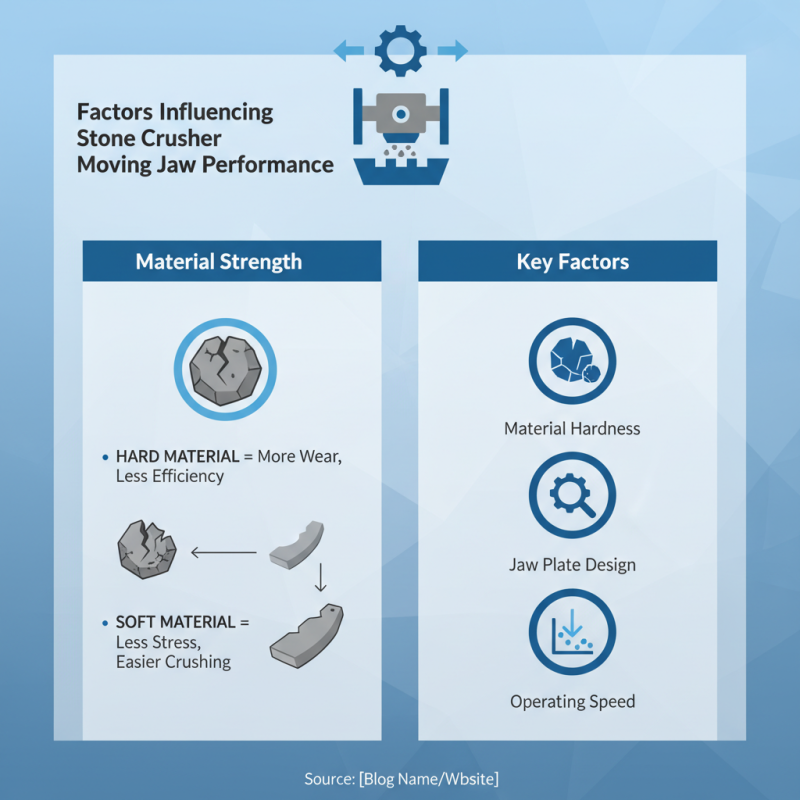
The performance of a stone crusher's moving jaw is influenced by multiple factors. Material strength is a key element. The hardness of the material affects how efficiently the jaw can crush it. If the material is too tough, it can lead to increased wear and tear on the moving jaw. Conversely, softer materials are easier to crush, resulting in less stress on the machine.
Another important factor is the design of the moving jaw itself. Variations in its shape can affect the crushing process. A well-designed jaw can improve the crushing capacity significantly. However, design changes may lead to unexpected issues, like misalignment or excessive vibrations. These problems can hinder overall performance, requiring constant monitoring and adjustments.
Additionally, the speed of operation plays a crucial role. A moving jaw that operates too quickly may not exert enough force on the material. This can lead to incomplete crushing. On the flip side, slow operation might cause unnecessary wear on the machinery. It's essential to find the right balance. Operators need to assess the conditions constantly and adjust accordingly.
Common Maintenance Practices for Moving Jaws
The moving jaw of a stone crusher plays a crucial role in crushing operations. Its primary function is to break down large rocks into smaller, manageable sizes. This jaw moves back and forth, creating a compressive force that fractures the material. With the right maintenance, moving jaws can last significantly longer, improving operational efficiency. Regular inspection is essential to catch wear and tear early.
Common maintenance practices include lubrication, alignment checks, and replacing worn parts. Lack of lubrication can lead to increased friction and heat, resulting in premature wear. A study indicated that poorly maintained moving jaws can lead to a 15% drop in efficiency. Additionally, regular cleaning of the jaw surface prevents material buildup, promoting better performance.
Operators must also consider replacing components such as jaw plates, which are subject to high stress. Worn jaws decrease productivity, and it's estimated that up to 20% of total maintenance costs can be attributed to jaw replacements. By prioritizing these practices, operators enhance reliability and efficiency. Industry experts recommend establishing a regular maintenance schedule to mitigate potential issues.