How to Choose the Best Mining Machinery Jaw Plates for Efficiency?
Choosing the right Mining Machinery Jaw Plates is crucial for operational efficiency. According to a report by the International Journal of Mining Science, optimizing equipment can boost productivity by 25%. However, selecting the best jaw plates requires careful consideration of various factors, including material strength and design.
Industry expert Dr. John Smith emphasizes, “The right jaw plate can significantly impact a mine's output.” This statement highlights the necessity of making informed choices. Many companies overlook the details that make a difference, such as the wear resistance and compatibility of jaw plates.
As competition intensifies, understanding these elements becomes vital. Failing to choose properly can result in costly downtime. Mining Machinery Jaw Plates should not be an afterthought; they play a key role in machinery performance and longevity.
Factors to Consider When Selecting Jaw Plates for Mining Machinery
When selecting jaw plates for mining machinery, several factors come into play.
Material quality
is crucial. High manganese steel, for instance, offers durability and resistance to wear.
Consider the hardness of the material; this affects both performance and lifespan.
It's vital to weigh these properties against the specific demands of your mining operation.
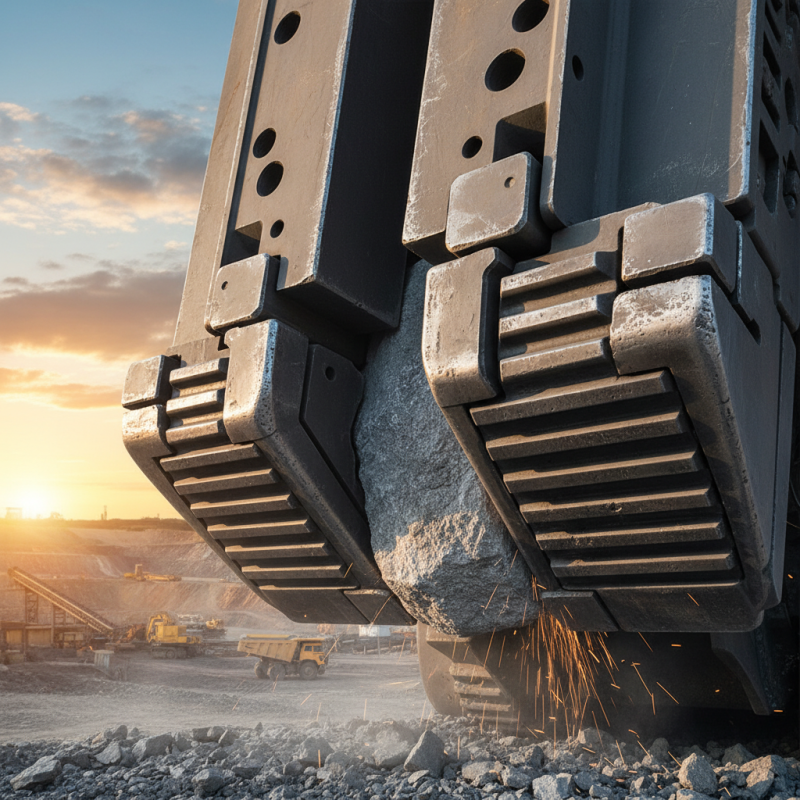
Another important aspect is the design of the jaw plates.
The shape and profile can influence the crushing efficiency.
A well-designed plate can enhance the material flow, minimize blockages, and improve overall productivity.
Pay attention to the fitting and compatibility with your existing machinery.
A poor match can lead to inefficient performance and increased wear.
Also, reflect on the maintenance aspect. Jaw plates experience various types of stresses during operation.
Regular inspections are necessary to identify signs of wear and damage.
Implementing a preventive maintenance routine can significantly extend the life of your jaw plates.
Balancing performance, material selection, and maintenance strategies will ultimately lead to better efficiency in mining operations.
Impact of Jaw Plate Materials on Mining Efficiency and Durability
Choosing the right jaw plate materials can significantly impact mining efficiency and durability. Commonly used materials include manganese steel, high-carbon steel, and ceramic composites. Manganese steel offers good strength and resistance, while high-carbon steel provides exceptional hardness but can be brittle. Each material has its pros and cons, influencing overall performance.
Mining environments pose unique challenges. Jaw plates are exposed to a range of abrasive materials. The choice of material affects wear rates, leading to maintenance issues. Manganese plates, for instance, can work harden but may require regular replacement in harsh conditions. Evaluating the specific mining conditions is essential. A thoughtful selection can lead to longer-lasting equipment and better productivity.
Durability is not just about material strength. Proper fitting and maintenance practices also play a crucial role. Poor installation can negate the benefits of high-quality jaw plates. Regular inspections and timely replacements can prevent catastrophic failures. Reflecting on actual performance and wear can guide future decisions, ensuring choices align with operational goals. However, misjudgments in selecting materials, based on cost alone, can lead to higher overall costs in the long term.
Understanding the Different Types of Jaw Plates Available
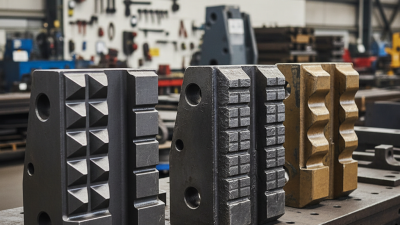
When choosing jaw plates for mining machinery, understanding the different types available is crucial. There are primarily two types: cast and fabricated jaw plates. Cast jaw plates are made by pouring molten metal into a mold. They offer good wear resistance but can be brittle. In contrast, fabricated jaw plates consist of welded steel and provide flexibility during operation. According to industry reports, the wear rate of cast plates can reach 20-30% faster than fabricated ones in certain abrasive environments, impacting overall efficiency.
Choosing the right material is vital. High manganese steel is a common choice for its durability and toughness. Some reports indicate that jaw plates made from this material have an extended lifespan. However, they may require proper heat treatment to optimize their impact strength. A review of performance metrics often shows a significant efficiency gain when the right jaw plate type is matched with operational requirements.
Tips: Regularly inspect jaw plates for signs of wear. Maintaining them can prevent unexpected downtimes. Additionally, consider your specific applications and materials being crushed. Different configurations can yield differing performance results. A reflection on selecting jaw plates often leads operators to reassess their current setups, identifying opportunities for improvement.
Efficiency of Different Types of Mining Machinery Jaw Plates
This bar chart illustrates the efficiency percentages of different types of jaw plates used in mining machinery. It highlights how each type performs, allowing for informed decisions based on efficiency metrics.
Maintenance Tips to Extend the Life of Jaw Plates in Mining Applications
Maintaining jaw plates in mining applications is crucial for optimal performance. Proper care extends their lifespan and improves efficiency.
First, regular inspections are essential. Look for wear patterns or cracks that could indicate problems. Early detection prevents costly breakdowns.
Another important tip is to ensure proper lubrication. Lubrication minimizes friction and reduces wear.
Use the right type of grease recommended for your equipment. This small step can lead to significant improvements in both performance and longevity.
Operators need to be aware of operational limits.
Overloading the jaw plates can lead to premature wear.
Keep production rates within recommended limits to avoid unnecessary strain. Regularly review operational practices.
Finding the right balance takes time and experimentation. Always prioritize safety and efficiency to maintain a productive mining operation.
Evaluating Cost vs. Performance: Making an Informed Choice on Jaw Plates
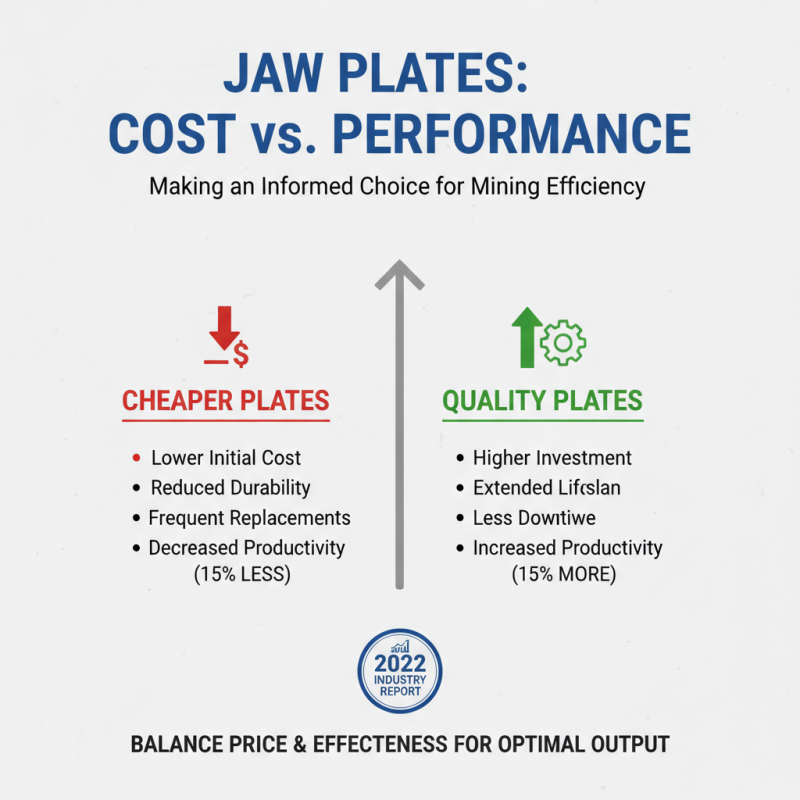
When evaluating the cost versus performance of mining machinery jaw plates, one must consider various factors that impact operational efficiency. The right jaw plates can significantly enhance productivity, but finding a balance between price and effectiveness remains crucial. According to a 2022 industry report, companies that prioritize high-quality jaw plates experience a 15% increase in productivity compared to those that opt for cheaper alternatives.
Material choice is a major consideration. High manganese steel is often favored for its excellent wear resistance. However, it comes at a higher cost. A report from the Mining Association indicates that investing in premium materials yields a 20% longer lifespan for jaw plates, ultimately lowering replacement frequency and downtime. These savings can offset the initial investment.
Beyond materials, the design influences performance. Specific features like tooth profiles and spacing can enhance material flow, affecting overall efficiency. Yet, this innovative design may come with drawbacks. Some companies report increased maintenance needs with complex designs. When considering jaw plate options, weigh the cost against potential performance gains carefully. An informed decision requires a comprehensive understanding of these trade-offs.