China Top Mining Machinery Jaw Plates for Global Buyers?
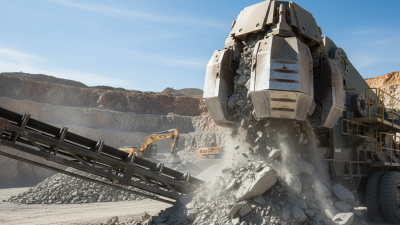
The global demand for Mining Machinery Jaw Plates continues to rise as the mining industry evolves. As per the latest report from the International Mining Association, the market for these critical components is expected to grow by 8.5% annually through 2025. This growth is driven by the expansion of mining operations worldwide and the increasing need for efficient crushing solutions.
Dr. Lisa Chen, a noted expert in mining technology, stated, "The quality of jaw plates directly impacts the productivity and longevity of crushing equipment." Her words highlight the importance of selecting high-quality Mining Machinery Jaw Plates. Many buyers are challenged by varying quality standards and price ranges.
In this competitive landscape, transparency and reliability are key. Global buyers must navigate through myriad options while ensuring they meet industry standards. As manufacturers in China strive to balance quality and cost, ongoing improvements are essential. This presents both an opportunity and a challenge for buyers seeking the best solutions in the market.
China's Mining Machinery Industry Overview
China's mining machinery industry has seen remarkable growth in recent years. Market research indicates that the sector is expected to reach a value of $36 billion by 2025. This growth is driven by increased global demand for minerals and infrastructure investments. The industry employs over 200,000 individuals, showcasing its importance to the economy.
However, challenges remain. Innovations in machinery must keep pace with the rapid changes in technology and environmental regulations. There's also a growing need for sustainable practices amid concerns about resource depletion. Data from industry reports show that only 30% of companies have adopted eco-friendly technologies, indicating room for improvement.
The global market is increasingly competitive. Chinese manufacturers export mining machinery to over 100 countries, yet many struggle with quality assurance. Quality control remains a concern, as inconsistent standards can affect international partnerships. Companies must strengthen their processes to enhance reliability and trustworthiness in their products. The future of China's mining machinery industry is promising, but it requires reflection and proactive strategies.
Key Features of Jaw Plates in Mining Equipment
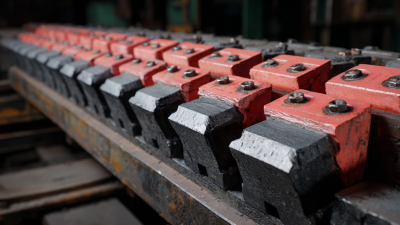
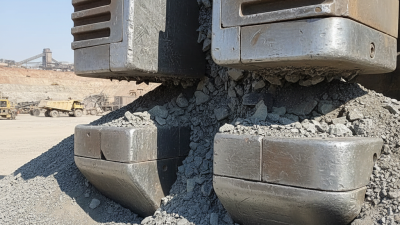
Jaw plates are essential components in mining machinery, particularly in crushers. They play a critical role in the grinding process, impacting both efficiency and lifespan. Recent industry studies indicate that jaw plates can affect the overall productivity of mining operations by as much as 20%. This highlights their significance in maintaining high operational standards.
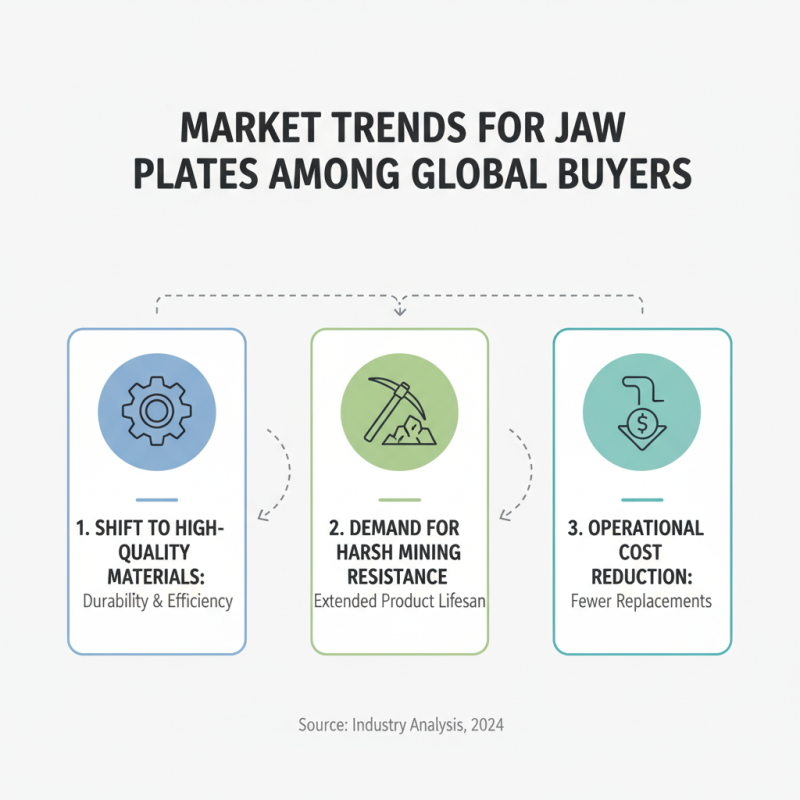
One key feature of jaw plates is their material composition. Many modern plates are made from high manganese steel, which offers excellent resistance to wear and deformation. This durability allows for prolonged use, reducing downtime for replacements. Interestingly, data suggests that reinforced jaw plates can extend service life by up to 30%. This leads to a decrease in maintenance costs, providing substantial savings for companies.
Moreover, the design of jaw plates also impacts performance. Many current designs focus on optimizing the crushing action. Unique tooth profiles can enhance material flow and reduce the risk of clogs. However, companies must continually assess their designs to ensure they meet the demands of evolving mining practices. Balancing cost with effectiveness remains a challenge, yet it is crucial for staying competitive in the global market.
Key Features of Jaw Plates in Mining Equipment
Top Manufacturers of Jaw Plates in China
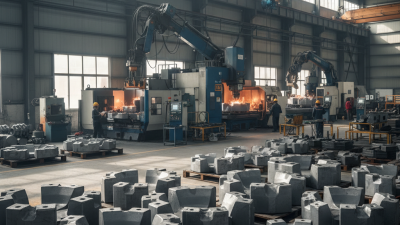
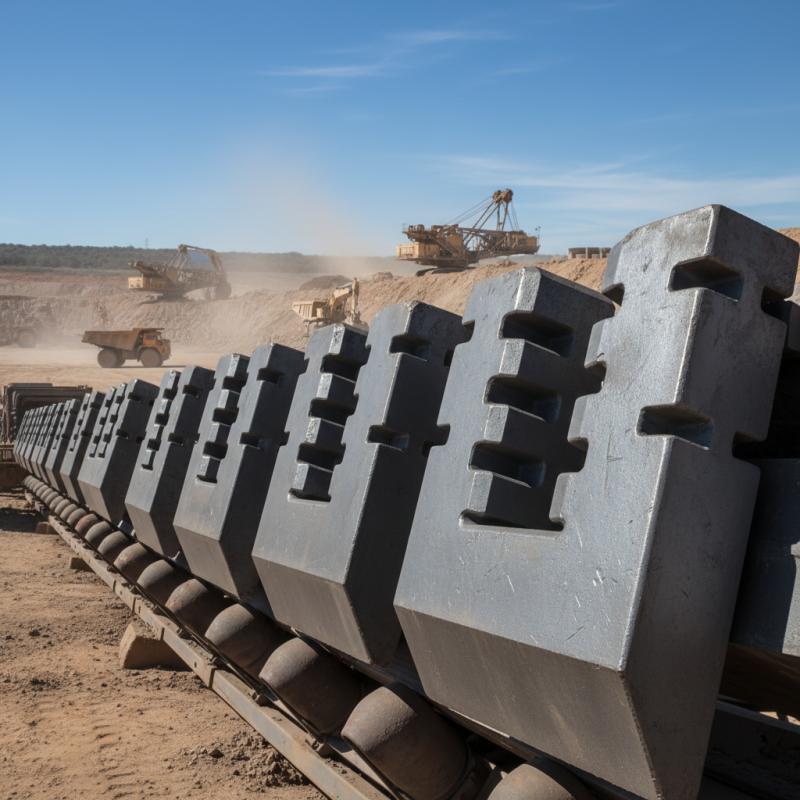
China is home to several top manufacturers of jaw plates, which are crucial components in mining machinery. These plates serve as essential tools in crushing and grinding operations. Due to China's rich mineral resources, the demand for high-quality jaw plates has surged. Many manufacturers focus on innovation and cost-efficiency. This ensures they can provide competitive products to global buyers.
The expertise of these manufacturers is reflected in their production techniques. They utilize advanced technology and stringent quality control to create durable jaw plates. Many products are crafted from high-strength materials, ensuring they withstand harsh working conditions. However, some companies may struggle with consistent quality. It raises concerns about reliability. Buyers need to conduct thorough research before making purchasing decisions, to avoid potential issues. Balancing cost and quality is an ongoing challenge for many manufacturers.
Networking and partnerships within the industry are vital for these companies. Collaborating with global buyers helps them understand market needs better. Additionally, feedback from international clients can guide product improvements. Yet, maintaining communication is not always easy. Manufacturers often face language barriers and differing expectations. Overcoming these challenges is essential for fostering trust and consolidating their positions in the global market.
China Top Mining Machinery Jaw Plates for Global Buyers
| Material |
Hardness (HRC) |
Weight (kg) |
Thickness (mm) |
Application |
| Manganese Steel |
18-22 |
100 |
50 |
Primary Crushing |
| High Chromium Iron |
58-62 |
90 |
45 |
Secondary Crushing |
| Alloy Steel |
30-35 |
80 |
55 |
Tertiary Crushing |
| Cast Steel |
45-50 |
75 |
60 |
Quarrying |
Quality Standards and Certifications for Chinese Jaw Plates
The quality standards for jaw plates in China are pivotal for global buyers. Various certifications guarantee that these components meet international expectations. The ISO 9001 standard, for instance, emphasizes quality management systems. This means manufacturers must adopt rigorous processes to ensure product reliability.
Reports indicate that Chinese mining machinery has seen a surge in demand, attributed to its competitive pricing and enhanced quality. The China Mining Association noted a growth of 15% in exports of jaw plates in 2023. However, inconsistencies in manufacturing practices can occasionally lead to subpar products. Some manufacturers may prioritize cost over quality, affecting the long-term durability of jaw plates.
Furthermore, adherence to ASTM and DIN standards is crucial. These international benchmarks cover material properties and performance expectations. Without these certifications, buyers may face risks of equipment failure. A recent study highlighted that 30% of buyers experienced issues with non-compliant jaw plates, leading to costly replacements. This data underscores the importance of ensuring products meet established quality criteria, a non-negotiable for serious industry players.