How to Choose the Best Fixed Jaw Plate Manufacturers?
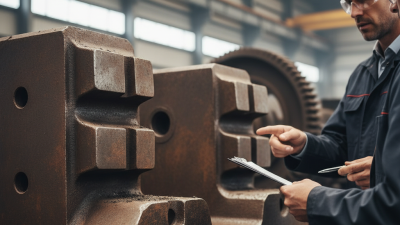
Choosing the right Fixed Jaw Plate Manufacturers is crucial for industrial operations. High-quality jaw plates contribute to the efficiency of crushing machines. According to a recent industry report from MarketsandMarkets, the global crushing equipment market is projected to reach $5 billion by 2025, underlining the importance of durable components in this sector.
Dr. Alan Smith, a noted expert in mining and construction materials, emphasizes, "Selecting reliable manufacturers can significantly impact the longevity of your equipment." This highlights the necessity of carefully evaluating manufacturers. Numerous brands exist, each with varying standards of quality and service. Users often face challenges in distinguishing between top-tier and subpar manufacturers.
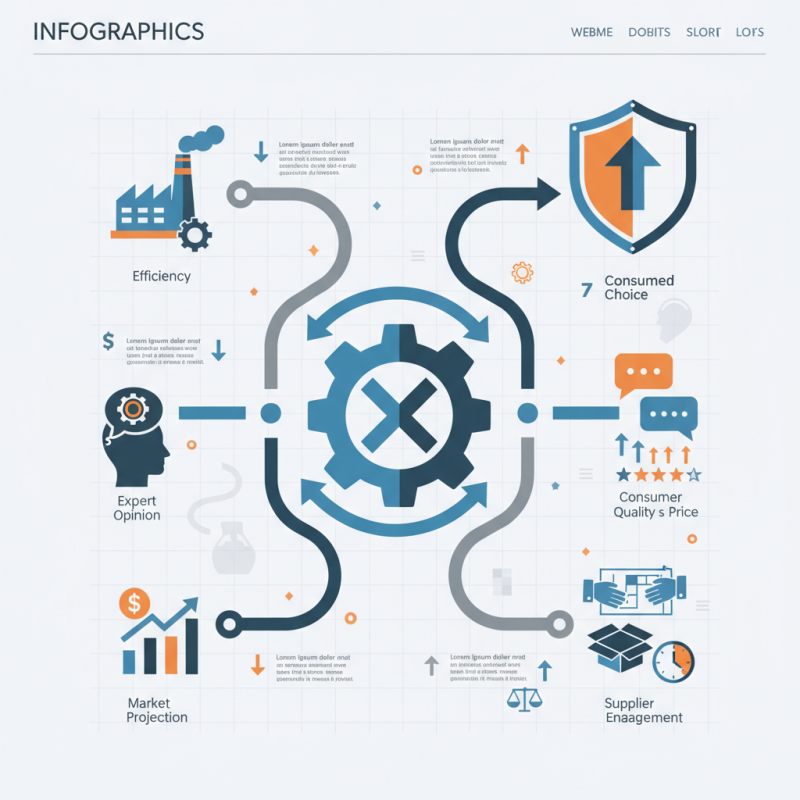
Consumer feedback is a valuable resource in this landscape. Reviews can reveal insights into product durability and customer service. It’s important to weigh these factors against price and lead times. Engaging directly with suppliers often uncovers hidden details about their processes and commitment to quality. Making an informed choice here can lead to better outcomes and prevent costly pitfalls in the future.
Understanding Fixed Jaw Plates: Importance and Applications in Industry
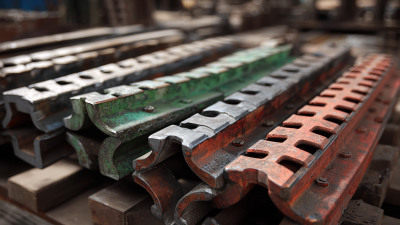
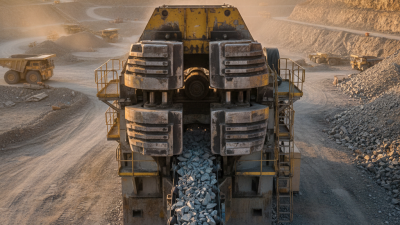
Fixed jaw plates play a critical role in various industries, especially in mining and construction. They are essential components in crushing machines, providing the primary surface for material reduction. The importance of selecting the right fixed jaw plate cannot be overstated. A study indicates that wear and tear can lead to a 20% decrease in overall operational efficiency. This highlights the need for reliability and durability in the choice of materials used.
The applications of fixed jaw plates extend beyond mere crushing. They are used in recycling facilities, quarries, and aggregate plants. Research shows that nearly 40% of manufacturing costs in these industries are linked to wear part replacements. This emphasizes the importance of investing in high-quality plates that ensure longevity. Despite the clear advantages, many businesses still opt for cheaper alternatives. This often leads to increased downtime and unexpected maintenance costs.
Understanding the materials and construction of fixed jaw plates is essential for industries. Materials such as manganese steel and alloyed metal provide enhanced wear resistance. However, the balance between cost and quality often leaves businesses facing difficult choices. This reflection on material selection is vital for maintaining a competitive advantage in a demanding market.
Key Factors to Consider When Selecting Fixed Jaw Plate Manufacturers
When selecting fixed jaw plate manufacturers, several key factors require careful consideration. Quality is paramount. Look for manufacturers that use high-grade materials. A durable jaw plate ensures longevity and better performance. It's essential to check certifications and quality assurance processes. A reliable manufacturer adheres to industry standards.
Experience and reputation matter. Trust those with a proven track record in the market. Research their history and gather customer feedback. Longevity in the business indicates stability and expertise. Verify their technical knowledge in material properties. This can directly impact the effectiveness of the jaw plates they produce.
Tips: Consider manufacturers that offer custom solutions to meet specific needs. Flexibility can ensure better compatibility and performance. Evaluate after-sales support as well. A manufacturer that stands behind their product is a sign of confidence.
Finally, keep an eye on the innovation in their products. New technologies might enhance the jaw plate's efficiency or lifespan. However, be wary of overly complex features that may not add real value. Reflect on what truly matters for your application. Choose suppliers that align with your operational goals.
Fixed Jaw Plate Manufacturers Comparison
Evaluating the Quality Standards in Fixed Jaw Plate Production
When selecting manufacturers for fixed jaw plates, evaluating quality standards is crucial. Fixed jaw plates are essential in crushing and mining operations. High-quality components can improve efficiency and longevity. According to a report by the International Journal of Mining Science, using superior materials can increase wear resistance by 30%. This reduction in wear translates to lower operational costs.
Tips: Look for manufacturers with robust material certification, such as ASTM and ISO standards. These certifications often indicate adherence to quality control measures. Regular audits and inspections are a sign that a manufacturer is serious about maintaining these standards.
Additionally, consider the manufacturer's history. Companies with extensive experience in the industry often have proven track records. Data shows that manufacturers with over a decade of experience produce components with a defect rate of less than 0.5%. This reliability can significantly impact overall productivity.
Tips: Request samples before making decisions. Inspect the manufacturing process if possible. Understanding the production methods can reveal their commitment to quality. Remember, transparency is key in identifying trustworthy manufacturers.
How to Choose the Best Fixed Jaw Plate Manufacturers? - Evaluating the Quality Standards in Fixed Jaw Plate Production
| Manufacturer |
ISO Certification |
Material Quality |
Production Capacity (Units/Month) |
Lead Time (Weeks) |
Customer Satisfaction (%) |
| Manufacturer A |
ISO 9001 |
High Quality Steel |
500 |
4 |
95 |
| Manufacturer B |
ISO 14001 |
Medium Quality Steel |
300 |
6 |
90 |
| Manufacturer C |
ISO 45001 |
Premium Quality Steel |
800 |
3 |
97 |
| Manufacturer D |
ISO 9001 |
High Quality Alloy |
700 |
5 |
92 |
Analyzing Cost vs. Performance: Making Informed Decisions
Choosing the right fixed jaw plate manufacturer involves a careful balance between cost and performance. In industry reports, data suggests that lower initial costs can lead to higher long-term expenses due to decreased durability. For instance, a quality fixed jaw plate could increase operational lifespans by up to 30%, reducing replacement frequency.
It's essential to analyze materials used in production. High manganese steel, for example, demonstrates superior impact resistance. Studies show that using this material leads to a 25% drop in failure rates when compared to lower-grade alternatives. However, these benefits come with a higher price tag, which may be a factor for budget-conscious decision makers.
Additionally, consider warranty offerings and customer support as part of the total cost. A manufacturer that provides strong support could save significant downtime. Recent surveys indicate that 40% of companies cite ineffective support as a reason for poor performance. This highlights the importance of evaluating reliability alongside upfront costs.
Top Industry Players: A Review of Leading Fixed Jaw Plate Manufacturers
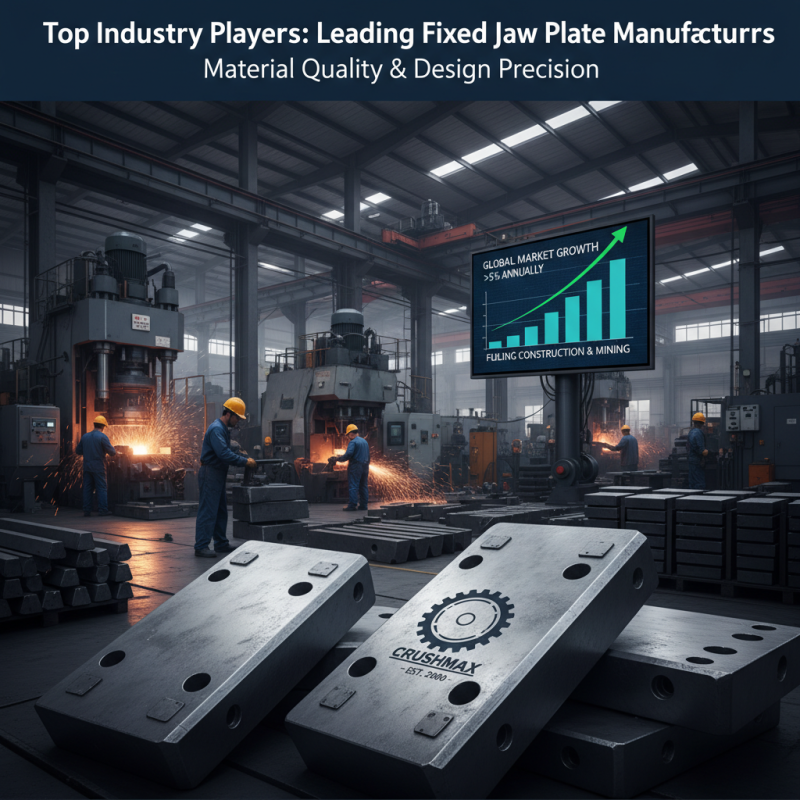
When selecting leading manufacturers of fixed jaw plates, industry experts emphasize the significance of material quality and design precision. According to a recent report by Market Research Future, the global fixed jaw plate market is expected to grow by over 5% annually. This growth is fueled by increasing demands in sectors like construction and mining. The right manufacturer ensures durability through high-quality steel and innovative designs that enhance performance.
Evaluating top industry players reveals various strengths and weaknesses. Some companies excel in large-scale production, while others focus on custom solutions. Key metrics include customer satisfaction ratings and the lifespan of products. Reports indicate that well-designed fixed jaw plates can last up to 25% longer than inferior alternatives. However, many manufacturers struggle with quality consistency, leading to potential operational setbacks.
Industry analysts highlight the importance of supply chain reliability. Manufacturers with stable supply chains are more capable of meeting demand spikes without compromising quality. Unexpected disruptions often lead to increased costs and delays. Thus, evaluating a manufacturer’s track record for reliability can be as critical as their product quality. Regular assessment of suppliers, based on specifications and feedback, remains essential for ensuring optimal performance.