Best Mining Machinery Jaw Plates for Global Buyers?
In the ever-evolving landscape of mining technology, the importance of reliable equipment cannot be overstated. Mining Machinery Jaw Plates are critical components that ensure efficiency and productivity in the mining process. Renowned expert Dr. John Smith, a leader in mining machinery research, has noted, “The quality of jaw plates directly influences performance and longevity.” This emphasizes the need for global buyers to invest in the best options available.
Choosing the right Mining Machinery Jaw Plate involves several factors. Material composition, design, and manufacturer reputation are crucial. High-quality jaw plates can significantly reduce downtime and maintenance costs. In an industry where every moment counts, making informed decisions is essential.
However, the market is filled with options that may not meet expectations. Some products may lack durability or proper engineering. Buyers must reflect on their choices to avoid costly mistakes. Engaging with trusted suppliers and investing in proven technology will yield the best results in the long run. As the mining sector continues to face challenges, prioritizing quality and reliability in Mining Machinery Jaw Plates remains paramount.
Best Materials for Jaw Plates in Mining Machinery: An Overview
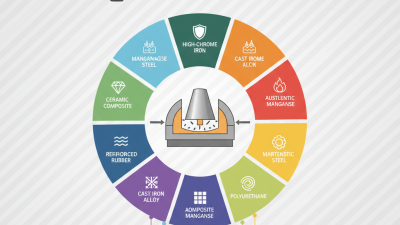
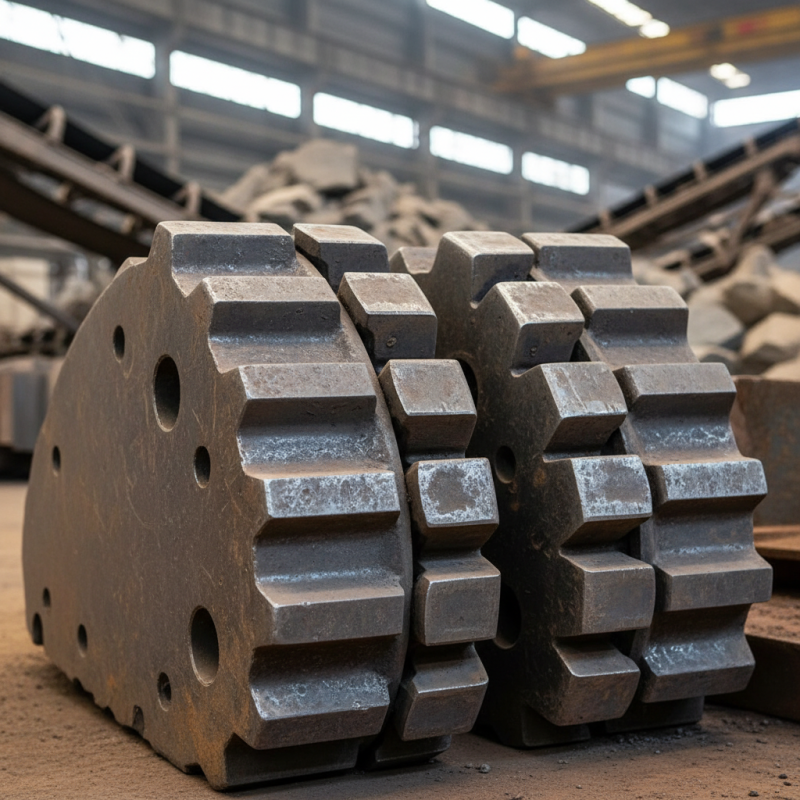
The durability and performance of jaw plates play a crucial role in mining machinery. Selecting the right materials is vital for operational efficiency. Common materials used for jaw plates include manganese steel, high-carbon steel, and alloy steel. Manganese steel, for instance, offers excellent work hardening properties, enhancing its lifespan significantly. According to a recent industry report, manganese steel can last up to 50% longer than standard steel in demanding applications.
However, choosing the right material isn't foolproof. Variations in rock types and operational conditions can lead to unexpected wear patterns. A study published in the Mining Journal highlights that up to 30% of jaw plate failures are linked to inconsistent material properties. Regular inspections and adjustments are essential for maintaining equipment.
Tips: Always analyze your operational environment. Understanding the types of materials processed can guide your choice of jaw plate materials. Monitor wear patterns closely. Implementing predictive maintenance can help mitigate unexpected failures and extend the lifespan of your equipment.
Impact of Jaw Plate Design on Mining Efficiency and Productivity
Jaw plates play a crucial role in the mining industry, impacting both efficiency and productivity. The design and material composition directly affect the wear resistance and performance of these components. According to a report by the International Journal of Mining Science and Technology, optimal jaw plate design can improve crushing efficiency by up to 20%. This highlights the importance of understanding how different materials and shapes can influence output.
Different mining environments demand specific jaw plate designs. For instance, harder ores require tougher materials to withstand stress. However, incorporating complex designs can complicate production. Data from a recent market analysis suggest that improperly designed jaw plates can lead to increased downtime. This not only affects productivity but also escalates operational costs. Finding the balance between design complexity and effectiveness is a challenge many operators face.
Moreover, the impact of jaw plate wear cannot be overlooked. Regular monitoring of wear patterns helps in adjusting operational parameters for better performance. A study from a leading mining consultancy indicates that replacing worn jaw plates at the right time can reduce energy consumption by 15%. This evidence emphasizes the need for strategic planning in jaw plate maintenance, ensuring continuous productivity while minimizing resource wastage.
Global Trends in Mining Machinery: Demand for Jaw Plates
The demand for jaw plates in mining machinery is rising globally. This trend reflects the industry's focus on efficiency and reliability. As mining operations expand, so does the need for durable and high-performance components. Jaw plates are essential for crushing various materials, and their quality directly impacts production efficiency.
In recent years, mining companies have sought ways to enhance productivity. High-quality jaw plates are increasingly favored for their durability and longevity. This shift points to a growing preference for advanced materials that withstand wear and tear. Interestingly, some mines have reported inconsistent performance from suppliers. This inconsistency has led to increased scrutiny and a desire for better standards in manufacturing.
Furthermore, sustainability is becoming a priority. Many mining operations are considering eco-friendly materials for jaw plates. The shift towards greener alternatives reflects the industry's commitment to reducing its environmental footprint. Yet, there are challenges. Not all manufacturers are equipped to produce sustainable options. This gap in the market presents opportunities for innovation but also highlights the need for careful supplier evaluation.
Best Mining Machinery Jaw Plates for Global Buyers
| Region |
Demand Volume (units) |
Market Share (%) |
Average Price (USD) |
Growth Rate (%) |
| North America |
15000 |
25 |
120 |
5 |
| Europe |
20000 |
30 |
110 |
4 |
| Asia-Pacific |
35000 |
40 |
95 |
6 |
| Latin America |
12000 |
15 |
100 |
3 |
| Middle East & Africa |
8000 |
10 |
105 |
2 |
Cost Analysis: Jaw Plates vs. Other Crushing Components in Mining
In the mining industry, jaw plates play a crucial role in the efficiency of crushing operations. A recent report by the Mining Equipment Association indicated that the demand for jaw plates is rising by approximately 5% annually. This increase highlights their importance in the crushing process compared to other components. However, when evaluating costs, jaw plates can sometimes be more expensive than other crushing parts like liners or hoppers.
The average cost of jaw plates can range from $1,000 to $4,000 per unit, depending on material and design. In contrast, other components like impact hammers might only cost between $600 and $2,000. This cost disparity raises questions about the return on investment for mining operators. An effective cost-analysis approach involves considering not only the price but also the lifespan and efficiency of each component. While jaw plates may seem pricier, their durability often justifies the expense.
Tip: Regular maintenance can extend the lifespan of jaw plates. This aspect is often overlooked, leading to increased replacement costs. Endeavour to establish a consistent maintenance schedule to ensure optimal performance. Remember, investing in high-quality materials can also yield long-term savings. Replacing lower-quality parts can lead to more frequent breakdowns and higher operational costs. The decision should focus on both immediate budget constraints and long-term operational efficiency.