What are Mining Stone Crusher Parts and Their Uses?
The mining industry relies heavily on robust equipment to ensure efficiency and productivity. One key component of this equipment is Mining Stone Crusher Parts. According to a report by Zachary P. and Global Mining Reviews, over 70% of crusher downtime is attributed to wear and tear of these parts. The right selection and maintenance are vital to mitigate such issues.
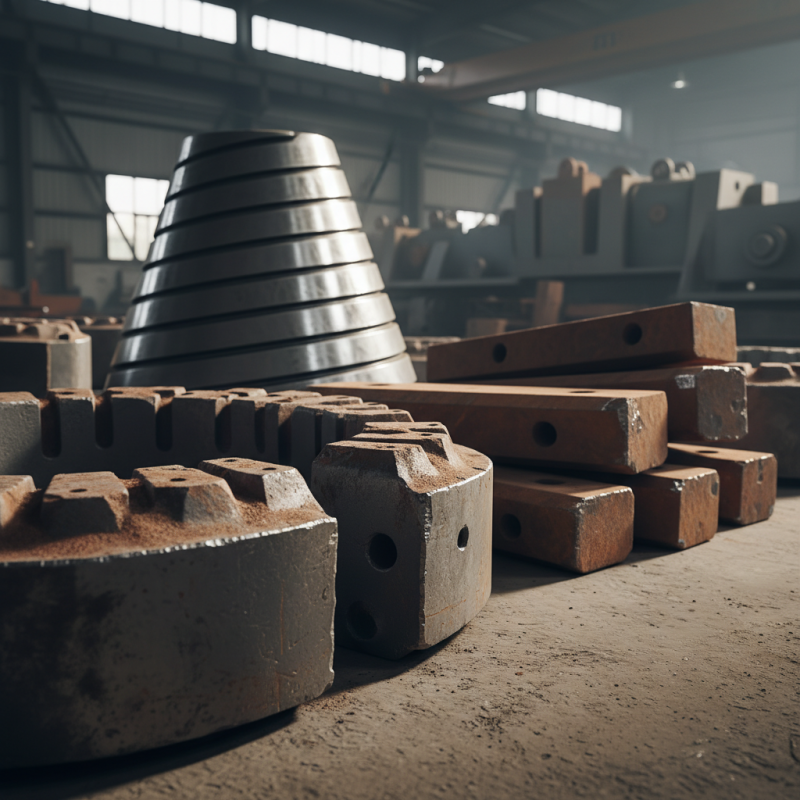
Mining Stone Crusher Parts encompass various components, including jaw plates, cone liners, and blow bars. Each of these parts plays a significant role in the crushing process. They ensure that materials are processed efficiently, which ultimately impacts overall production rates.
The demand for these parts is increasing. Reports suggest that the global mining machinery market is projected to reach $265 billion by 2027. However, many operators overlook the importance of quality parts, leading to reduced operational efficiency. Investing in high-quality Mining Stone Crusher Parts can greatly enhance productivity and reduce maintenance costs in the long run.
Understanding Mining Stone Crushers and Their Components
Mining stone crushers play a crucial role in mineral extraction and processing. These machines reduce large rocks into manageable sizes for further processing. Their components include jaw plates, impact hammers, and conveyor belts, each serving specific functions that contribute to the overall efficiency of the crushing process. According to industry reports, the global stone crushing equipment market size was valued at approximately $4.4 billion in 2020 and is projected to grow significantly by 2027.
Jaw plates are essential components that come in direct contact with the material. They undergo substantial wear, necessitating regular replacement. Impact hammers, on the other hand, help in breaking down harder materials into smaller pieces. Understanding the mechanics of these parts is vital for optimizing performance and ensuring longevity. Additionally, proper maintenance can prevent costly breakdowns.
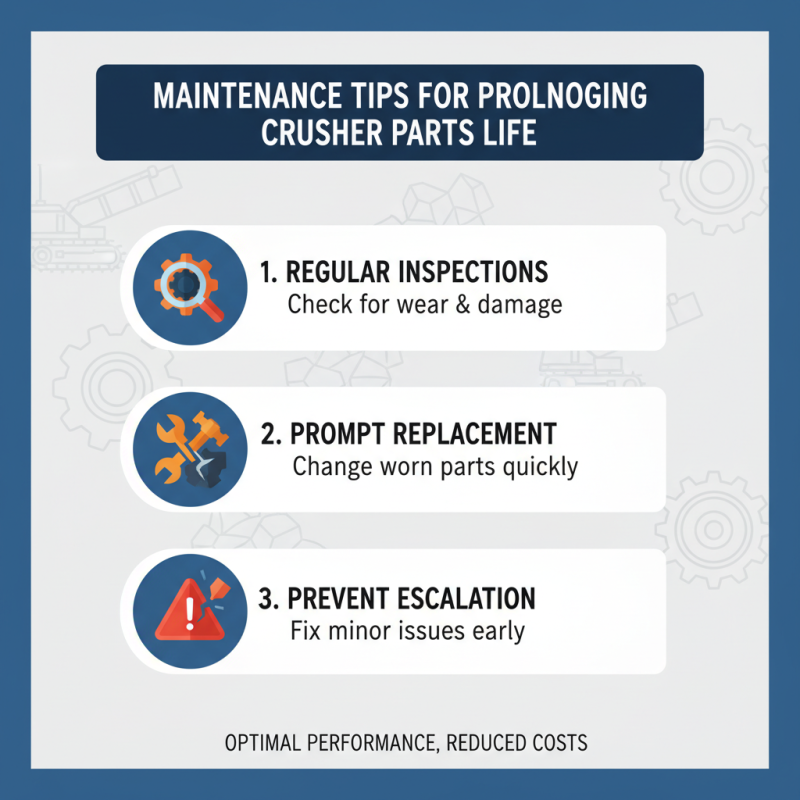
Tip: Regularly inspect and maintain the components of your stone crusher. This can increase operational efficiency and reduce downtime.
Conveyor belts are responsible for transporting crushed materials to different stages of processing. The design and durability of these belts affect the overall throughput. Properly sized and aligned belts can significantly impact productivity. Analyze load capacities and wear rates to choose the right fitting for your operation.
Tip: Keep track of wear patterns on conveyor belts to anticipate replacements before failures occur.
Key Components of Mining Stone Crushers Explained
Mining stone crushers are critical in the extraction and processing of minerals. Understanding their key components can enhance efficiency and prolong their lifespan. The primary parts include the jaw plate, cone, and hammer. Each plays a unique role in crushing and shaping materials.
The jaw plate is responsible for the initial breakage of stone. It comes into direct contact with the material. The wear and tear on this part can affect the overall performance of the crusher. Regular inspections are essential. Changes in durability can be a warning sign of potential problems.
The cone is essential for further crushing. It helps in producing finer materials. However, its complex structure can sometimes complicate maintenance. Compromised parts can reduce crushing efficiency. Similarly, the hammer, used in impact crushers, must be regularly replaced to maintain effectiveness. Balancing these components can be challenging but is necessary for optimal operation.
Functions and Applications of Common Stone Crusher Parts
Stone crusher parts are essential components that play specific roles in the crushing process. Each part contributes to the efficiency and performance of the crusher. For example, the mantle and concave are crucial for the crushing action. They create a space for the stones to be compressed, leading to effective size reduction. Proper maintenance of these parts ensures optimal performance.
Another important part is the jaw plate. This is where the raw material enters the machine. It must withstand high impact stresses. The wear and tear on the jaw plate can affect its efficacy over time. Regular inspection is necessary to avoid unexpected downtimes. Additionally, the rotor and blow bars in impact crushers help shape the final product. These parts are vital for shaping and sizing materials effectively.
Each component in a stone crusher has unique applications. For instance, the feed hopper enables uniform feeding of materials. If it malfunctions, it can disrupt the entire crushing operation. Ultimately, understanding the functions of these parts can lead to better operational practices. It highlights the need for routine checks and maintenance to prevent larger issues down the line.
Performance Comparison of Common Stone Crusher Parts
This chart illustrates the efficiency of different types of stone crushers. Each type is represented alongside its performance percentage, showcasing the effectiveness of their respective parts in the crushing process.
Future Trends in Mining Stone Crusher Technologies and Parts
The mining industry is evolving rapidly. New technologies are shaping stone crusher parts. Future trends show a shift toward more efficient and sustainable options. Manufacturers are focusing on reducing energy consumption. Innovative materials for crusher parts are also gaining attention. These advancements promise improved durability and performance in the long run.
Tips: Regular maintenance of stone crusher parts is essential. This can help extend their lifespan. Keep your equipment updated to avoid efficiency loss.
Automation and smart technologies are becoming integral. Monitoring systems can predict failures before they occur. However, these systems can be complex. Operators must be trained adequately for safe use. Some may struggle with the transition to automated solutions. Improvement in training programs could enhance effectiveness.
As we look ahead, the use of eco-friendly materials is promising. The mining industry must adapt to comply with environmental standards. However, challenges remain. Finding the balance between innovation and practicality is crucial. Stakeholders must evaluate costs versus benefits continually. This reflection can lead to better decision-making in technology adoption.
What are Mining Stone Crusher Parts and Their Uses?
| Part Name |
Description |
Material |
Typical Use |
Future Trends |
| Jaw Plate |
Main wear part of jaw crushers for crushing materials |
Manganese Steel |
Primary crushing in various mining operations |
Advancements in high-strength materials |
| Concave |
Forms the top part of cone crushers for material compression |
Alloy Steel |
Secondary crushing for hard materials |
Improved design for better efficiency |
| Hammer |
Used in impact crushers to break down materials |
High Carbon Steel |
Crushing soft to medium hard materials |
Shift towards more durable alloys |
| Screen Mesh |
Filters out larger debris from crushed materials |
Wire Mesh |
Used in various sieving operations |
Innovations in wear-resistant fabrics |
| Bowl Liner |
Lining inside a cone crusher that protects the internal components |
Manganese Alloy |
Used for maintaining product quality |
Enhanced designs for increased lifespan |