Top 10 Moving Jaw Designs for Efficient Manufacturing?
In the world of manufacturing, the design of moving jaws plays a crucial role. Efficient designs can significantly impact production processes and outcomes. According to industry reports, well-designed moving jaws increase machine efficiency by up to 30%. This can lead to reduced operational costs and enhanced productivity.
Moving jaw innovations often incorporate advanced materials and technologies. For instance, utilizing lightweight, durable composites can improve performance. However, some designs may not fully meet their potential if not tested adequately. Relying solely on theoretical models can lead to inefficiencies in real-world applications.
Research indicates that approximately 20% of manufacturing flaws stem from suboptimal moving jaw designs. This highlights the need for continuous improvement and iteration. Manufacturers must remain vigilant in refining their designs to adapt to evolving industry demands. Ultimately, investing in efficient moving jaw designs is essential for staying competitive.
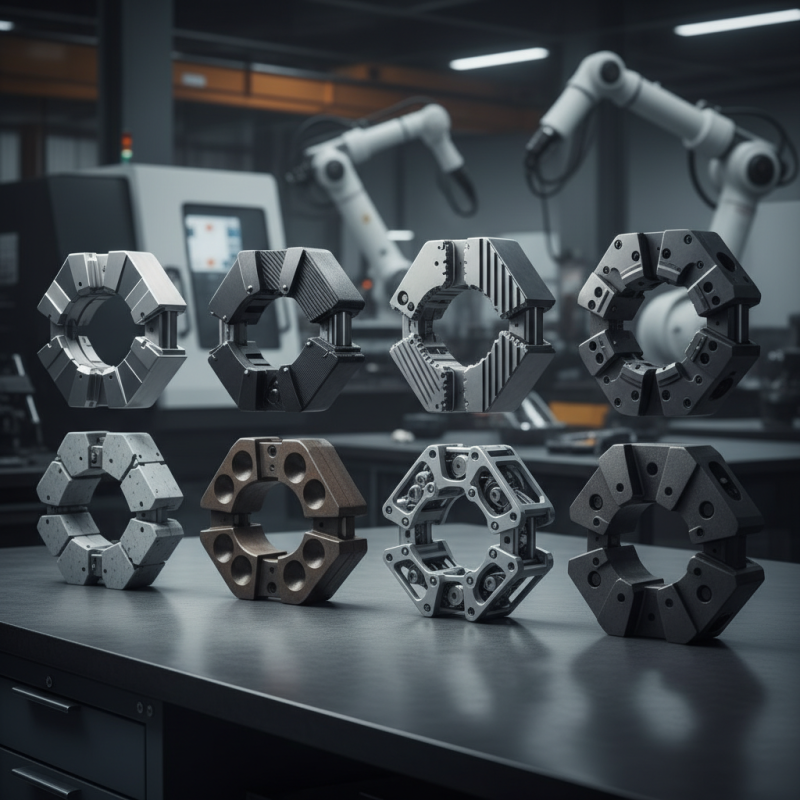
Understanding the Importance of Efficient Moving Jaw Designs in Manufacturing
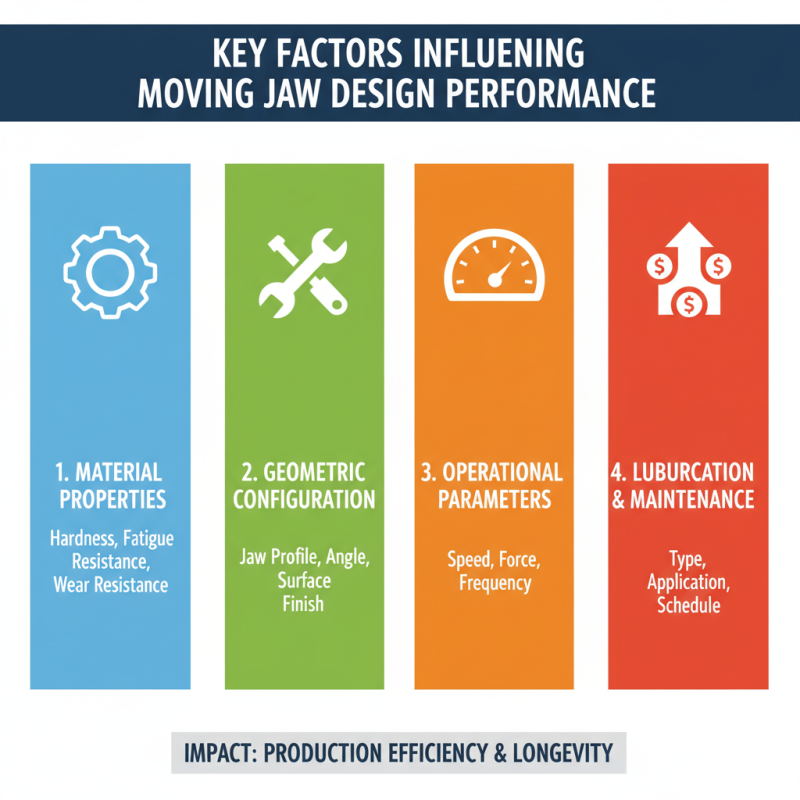
In manufacturing, efficient moving jaw designs play a critical role in optimizing production processes. A recent report from the American Manufacturing Association reveals that companies using advanced jaw designs can improve their workflow by up to 30%. This improvement is essential for maintaining competitiveness in today's fast-paced market. A well-designed moving jaw ensures minimal energy losses, which translates to higher productivity. The design directly impacts the overall efficiency of machinery.
Choosing the right moving jaw design is not just a matter of preference. It involves a careful consideration of mechanical principles and material properties. For instance, a design that maximizes surface area can lead to enhanced grip without increasing the complexity of the system. Some designs, however, may require frequent recalibration, which can introduce downtime. Therefore, understanding trade-offs in design is key.
**Tip:** Analyze the specific requirements of your operation before selecting a moving jaw design. This can help avoid inefficiencies.
Additionally, integrating automated systems that monitor jaw performance can provide invaluable data. This data can refine operations consistently. Too often, manufacturers underestimate the importance of iterative design processes. Continuous feedback and adjustments can improve both performance and durability significantly.
**Tip:** Collect performance data periodically to ensure that the jaw design remains optimal over time.
Top 10 Moving Jaw Designs for Efficient Manufacturing
This chart illustrates the efficiency ratings of various moving jaw designs utilized in manufacturing processes. The ratings are based on parameters such as load capacity, material utilization, and operational speed.
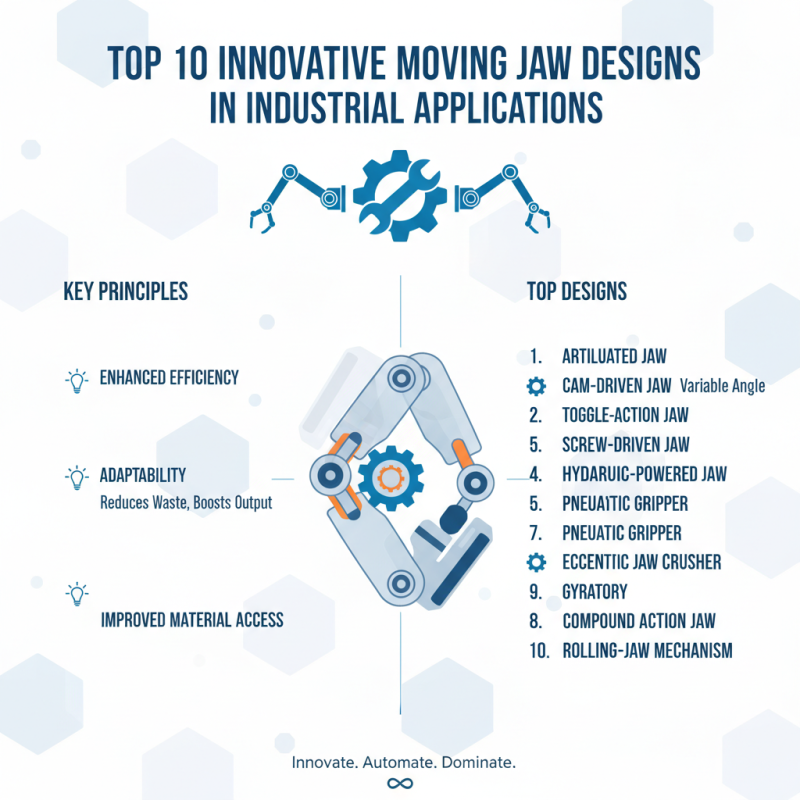
Top 10 Innovative Moving Jaw Designs in Industrial Applications
In industrial applications, innovative moving jaw designs play a crucial role in enhancing efficiency. These designs are integral to various machinery, influencing performance and productivity. For example, articulated jaws with variable angles can better access materials. This adaptability reduces waste and increases output.
Another interesting approach is the use of lightweight materials, which minimize the overall weight of robotic arms. This can lead to faster operation speeds. The efficiency of these designs depends heavily on their ability to adjust dynamically to different tasks. Sometimes, these adjustments are not seamless, requiring operators to retrain or tweak settings frequently.
However, reliance on automated systems can be a double-edged sword. While they enhance precision, they can also lead to over-dependence. Operators may overlook manual checks, leading to potential errors. Balancing automation with human oversight is essential for optimal manufacturing processes. Moving jaw designs must continue evolving, reflecting real-world challenges faced on the factory floor.
Case Studies: Success Stories of Efficient Moving Jaw Implementations
In the realm of efficient manufacturing, moving jaw designs play a pivotal role. Companies often seek optimal designs that can significantly enhance production capacities. For instance, a leading manufacturer revamped their jaw design, resulting in a 30% increase in efficiency. They focused on minimizing vibrations and improving alignment, leading to smoother operations. This case underlines the importance of precision in design.
Another remarkable implementation involved a factory that faced inconsistent product quality. By adopting a new moving jaw design, they achieved uniformity across batches. The design adjustments specified better material flow and reduced wear and tear, demonstrating the need for continual improvement. However, the transition was not smooth; initial production delays tested their adaptability. Such challenges highlight the complex nature of implementing robust designs in real-world environments.
Ultimately, the success stories from these case studies illustrate the tangible benefits of innovating moving jaw designs. They point to an essential truth: ongoing evaluation and adaptation are crucial in the manufacturing process. Each success had lessons learned, revealing that even the best designs must evolve with time.
Future Trends in Moving Jaw Design and Manufacturing Efficiency
The landscape of moving jaw design is rapidly evolving. Emerging trends emphasize lightweight materials to enhance efficiency. According to a recent industry report by TechScience, the use of advanced composites can reduce weight by up to 30%, improving performance in various applications. This shift not only minimizes energy consumption but also increases product lifespan.
Incorporating AI-driven simulation tools is another trend that enhances design accuracy. These tools allow engineers to visualize performance under real-world conditions, making it possible to predict failures early. This proactive approach leads to up to a 40% reduction in prototype development time. However, companies must invest in training to effectively utilize these technologies, which can be a challenge for smaller manufacturers.
**Tip:** Focus on transitioning to advanced materials gradually. Start with pilot projects to gauge the cost-benefit ratio.
Despite these advancements, there remains a need for better collaboration between design and manufacturing teams. Silos can lead to inefficiencies, undermining the advantages of innovative designs. Open communication can bridge this gap and foster a culture of continuous improvement.
**Tip:** Schedule regular cross-departmental meetings to discuss ongoing projects and barriers.