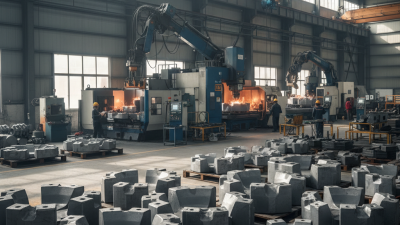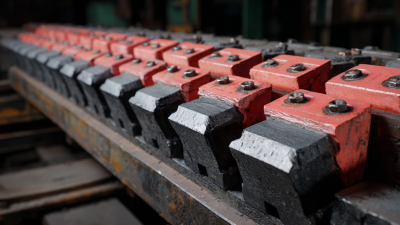
In the world of mining and construction, understanding the key players among Fixed Jaw Plate Manufacturers is crucial. These manufacturers produce essential components that play a pivotal role in crushing equipment. According to industry expert John Smith, "Reliable fixed jaw plates are the foundation for efficient crushing operations." As businesses seek durability and high performance, selecting the right manufacturer can impact overall productivity.
The market hosts numerous manufacturers, each with unique strengths. The competition shapes innovation, ensuring materials and designs evolve. Companies are focused on sustainability and efficiency. Yet, some manufacturers may compromise on quality to cut costs. This inconsistency raises concerns about reliability in the long run.
Choosing a manufacturer requires research and due diligence. Prospective buyers must evaluate not just the price, but also the materials used and past performance. Investing in high-quality fixed jaw plates can pay off in reduced downtime and increased output. Therefore, knowing the top players in this field is essential for anyone in the industry. Quality should never be an afterthought.
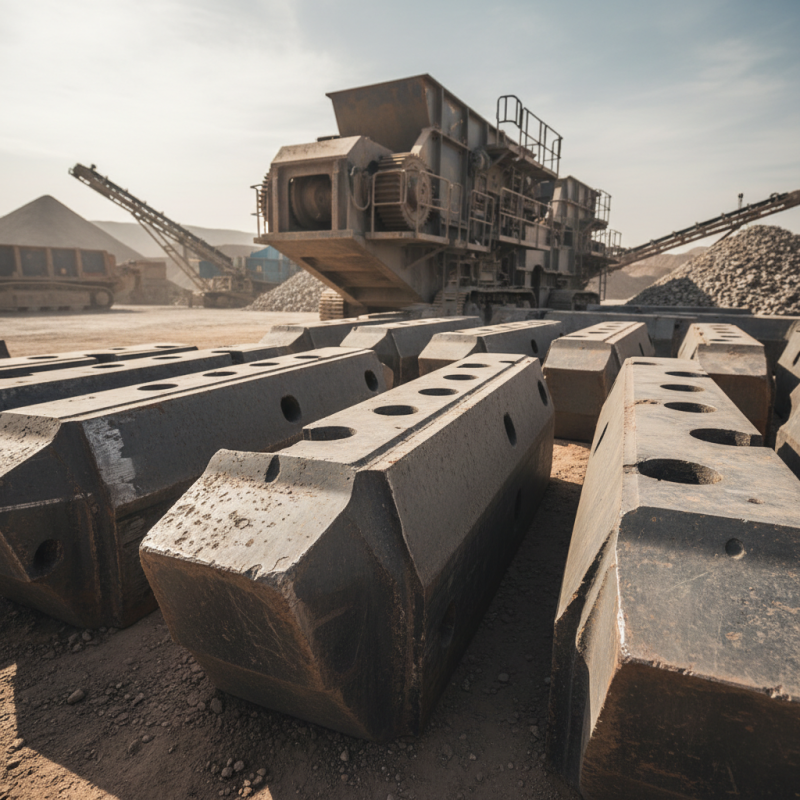
Fixed jaw plates play a crucial role in the mining and construction industries. They are essential components in crushing equipment, designed to handle tough materials. These plates are usually made from high-strength steel or alloys. Their durability ensures a long service life, even under severe conditions. In environments where heavy rocks and minerals are processed, the quality of materials is vital. The right fixed jaw plate can significantly affect operational efficiency.
In mining, fixed jaw plates endure significant wear. Over time, they may crack or deform. Regular maintenance and replacement are necessary to prevent operational downtime. Selecting the right manufacturer is crucial for achieving reliable performance. High-quality fixed jaw plates reduce maintenance costs and improve safety. Poor choices can lead to frequent breakdowns, increasing overall expenses. It emphasizes the need for careful consideration in supplier selection.
Moreover, the design of fixed jaw plates must cater to specific applications. Some plates feature unique geometries to optimize material flow. Others may include enhancements for ease of installation and replacement. In today’s fast-paced industry, innovations continue to emerge. Keeping updated on industry standards and advancements is essential for contractors and operators alike. This awareness can lead to improved processes and outcomes in challenging environments.
This chart illustrates the production capacity of fixed jaw plates among various manufacturers in the mining and construction industry. The data reflects the estimated yearly output measured in tons.
Fixed jaw plates are vital components in crushing equipment. They are responsible for breaking down materials efficiently. The materials used to manufacture these plates often include high manganese steel, due to its toughness and wear resistance. This allows fixed jaw plates to withstand the heavy impact of daily operations.
Key features of effective fixed jaw plates often include their geometry and surface patterns. A well-designed plate can significantly improve the crushing process. Some designs contain ridges or grooves, which enhance grip on materials. These features not only increase efficiency but also prolong the life of the plates.
While many manufacturers focus on durability, not all fixed jaw plates provide consistent quality. Some may wear more quickly than expected, leading to frequent replacements. Quality control is essential in the manufacturing process. Regular testing and feedback from users help ensure that products meet industry standards. Understanding these nuances is key for anyone looking to invest in fixed jaw plates.
| Manufacturer | Key Features | Materials Used | Market Focus |
|---|---|---|---|
| Manufacturer A | High wear resistance, optimized design for better performance | Manganese steel, ceramic composites | Mining, construction |
| Manufacturer B | Customizable dimensions, lightweight design | Alloy steel, heat-treated materials | Recycling, aggregates |
| Manufacturer C | Enhanced impact strength, anti-fracture technology | High manganese steel, carbon steel | Quarrying, demolition |
| Manufacturer D | Precision engineering, reduced downtime | Casting alloys, special hardening | Mineral processing, metal recovery |
| Manufacturer E | Anti-corrosion coating, long life expectancy | Stainless steel, polymer composites | Industrial applications, waste management |
| Manufacturer F | Versatile usage, exceptional adaptability | Premium grade alloys, alloyed metals | Manufacturing, heavy duty operations |
| Manufacturer G | Quick installation, robust construction | Cold rolled steel, wear plates | Construction, infrastructure |
| Manufacturer H | Energy efficient design, noise reduction | Specialty steels, heat resistant alloy | Environmental services, recycling |
| Manufacturer I | Built for high efficiency, cost-effective | Premium manganese alloys, hardened steels | Construction, recycling |
| Manufacturer J | Superior strength, long-lasting wear | Wear-resistant alloys, cobalt-chromium materials | Mining, heavy industries |
When selecting top fixed jaw plate manufacturers, several key criteria come into play. Experience and expertise in the industry are paramount. A reputable manufacturer should demonstrate a solid track record of producing high-quality products. Look for those that have been in the market for several years, as this often indicates reliability and an understanding of the evolving needs of customers.
Another crucial factor is the material quality used in manufacturing fixed jaw plates. High-strength alloys and wear-resistant materials prolong the life of these components. It's vital to assess how manufacturers source their materials. Transparency in material selection can reveal a commitment to quality. However, finding a balance between cost and durability can be challenging. Some manufacturers may cut corners to lower prices, impacting overall performance.
Lastly, consider the manufacturer’s customer support and service. Quick responses and technical assistance can significantly enhance the purchasing experience. Yet, not all brands excel in this area. A good manufacturer should provide guidance throughout the ordering process and address any post-purchase concerns. Evaluating these aspects can lead to informed decisions when choosing a manufacturer for fixed jaw plates.
The fixed jaw plate is a crucial component in various crushing equipment, providing support in the breakdown of materials. Industry reports indicate that the global fixed jaw plate market is projected to grow significantly in the coming years, driven by increasing demand in construction and mining sectors. The fixed jaw plate must withstand high impact and abrasive conditions, emphasizing the need for quality manufacturing.
Leading manufacturers utilize advanced materials for enhanced durability. For instance, many employ high manganese steel for its excellent hardness properties. Data suggests that companies investing in innovation, like manufacturing techniques and materials technology, see longer product lifetimes and improved customer satisfaction. Emerging trends also point towards the adoption of eco-friendly materials in production, addressing environmental concerns.
Despite advancements, challenges persist in the industry. Some manufacturers struggle with consistent supply chains, leading to delays in production. Quality control remains critical; poor manufacturing processes can lead to early wear and increased operational costs for end-users. Companies must continuously evaluate their practices to ensure reliability and performance.
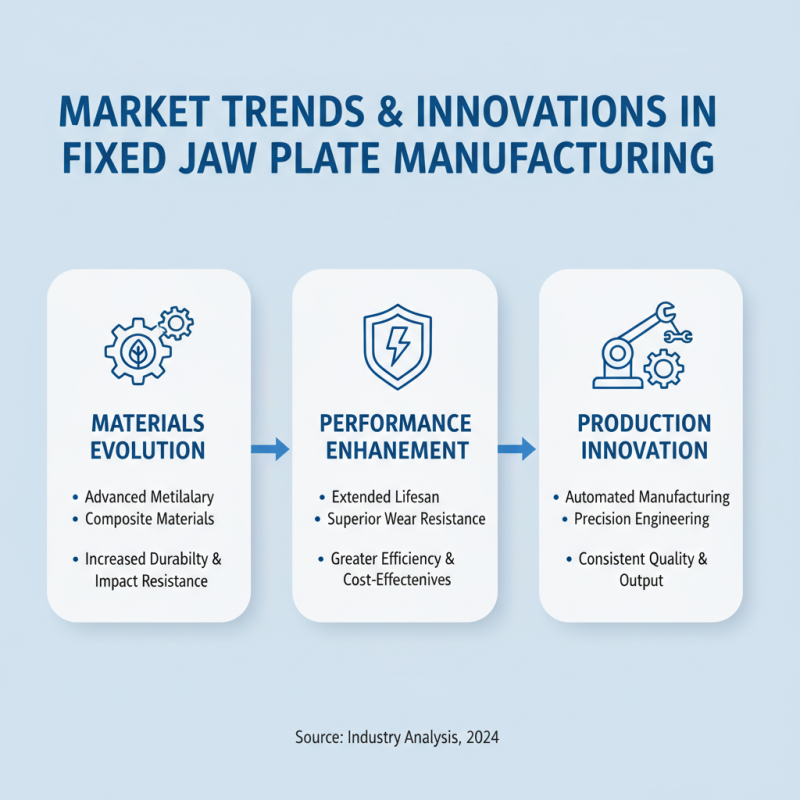
The manufacturing landscape for fixed jaw plates is evolving. Innovations in materials and production techniques are driving efficiency and durability. Advanced metallurgy and composites are becoming standard. These materials enhance resistance to wear and impact, extending the lifespan of jaw plates. Similar trends are seen in automated manufacturing, which increases precision.
Understanding market trends is crucial. The rise in demand for eco-friendly manufacturing methods is notable. Companies are exploring sustainable materials to reduce their carbon footprint. This shift not only meets consumer preferences but also responds to regulatory pressures. The integration of technology for predictive maintenance is also gaining traction, helping operators anticipate wear and reduce downtime.
Tips: When selecting a manufacturer, prioritize those employing advanced materials and automation. Verify their commitment to sustainability. Regularly update your knowledge on emerging technologies to stay ahead. Being informed about innovations can help improve operational performance significantly.