Inquiry
Form loading...

Top Cone Crusher Bowl Liner Manufacturers to Buy From

Choosing the right Cone Crusher Bowl Liner can determine whether a crushing circuit runs smoothly or loses valuable production hours. The difference appears in practical details: feed size, manganese grade, chamber profile, closed-side setting, and liner wear patterns. A liner may look intact while its operating profile has already become inefficient.

The Business Research Company’s 2024 Cone Crushers Global Market Report links market growth with mining activity, infrastructure investment, and aggregate demand. Grand View Research also identifies wear resistance and equipment efficiency as important purchasing considerations. These findings matter because liner selection affects throughput, energy use, maintenance intervals, and product shape. Small choices can create large costs.

As Metso President and CEO Mikko Keto has stated, “Sustainability is about doing more with less.” That principle fits bowl liner purchasing, although it is not the complete answer. Longer wear life is valuable, but only when the liner maintains the required chamber performance. Cheap parts can become expensive beside a silent crusher and an idle excavator.

This guide examines the top Cone Crusher Bowl Liner manufacturers to buy from. It considers material quality, engineering support, dimensional consistency, delivery reliability, and field experience. Manufacturer claims still need testing. Site conditions vary. A liner successful in a hard-rock quarry may underperform in abrasive iron ore. The strongest suppliers provide evidence, not only confident brochures.
Top Cone Crusher Bowl Liner Manufacturers to Buy From

What Is a Cone Crusher Bowl Liner?

Top Cone Crusher Bowl Liner Manufacturers to Buy From

What Is a Cone Crusher Bowl Liner?

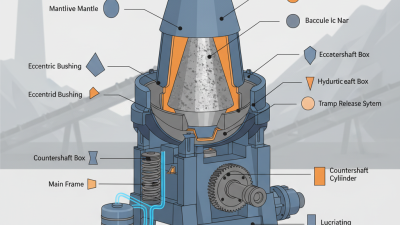
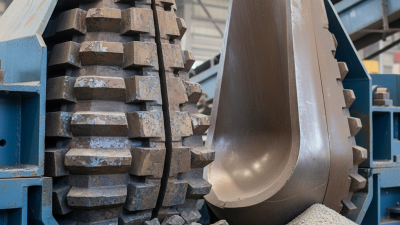
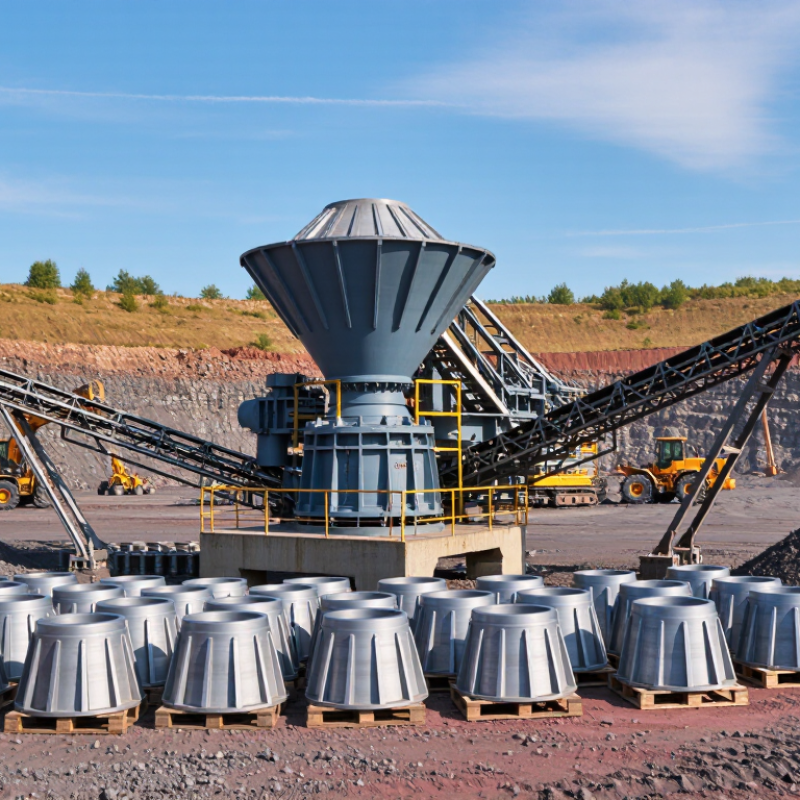
A cone crusher bowl liner is a replaceable wear part inside the crusher’s upper frame. It forms the outer crushing surface around the mantle. As the mantle rotates, material is compressed between these two surfaces. The liner receives repeated impact, pressure, and abrasion during production.

Most bowl liners use manganese steel or other wear-resistant alloys. Their working life depends on feed size, rock hardness, moisture, chamber design, and closed-side setting. A correctly fitted liner maintains a stable product shape and protects the crusher body. In practice, even a high-quality liner can fail early when the feed is poorly distributed. That detail is often overlooked.

When comparing manufacturers, request material specifications, heat-treatment records, dimensional drawings, and inspection reports. Reliable suppliers should explain their casting process and provide consistent fit across replacement batches. Check the liner’s weight, surface finish, lifting points, and expected wear profile. These details can reveal quality problems before installation.

Tips: Measure the old liner before ordering. Photograph worn areas. Ask whether the design suits your feed material and operating setting. Do not choose by price alone. A cheaper liner may create uneven wear, more downtime, and hidden maintenance costs. I would also review actual service data, because catalog promises can be too optimistic.
How to Evaluate Bowl Liner Manufacturers

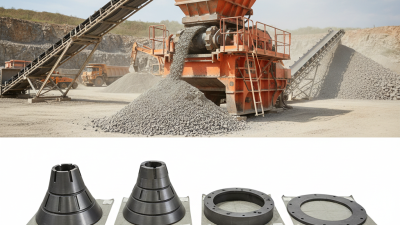
Evaluating a bowl liner manufacturer requires more than comparing purchase prices. Start with the liner’s material grade, hardness range, and casting process. Ask whether the supplier can provide test reports for chemical composition and wear performance. A reliable manufacturer should explain how its liner suits your crusher model, feed size, and operating conditions.

Inspect the manufacturer’s production evidence. Request dimensional drawings, tolerance records, and sample inspection photographs. Experienced suppliers usually understand stress points around the feed opening and discharge area. They should also discuss installation fit, liner rotation, and expected wear patterns. Vague claims deserve caution. Ask for references from mines or aggregate plants using similar equipment. Real operating data is more useful than polished brochures.

I once judged a supplier mainly by its low quotation. That decision caused uneven wear and extra shutdown time. The assumption was wrong. Now, I check machining accuracy, delivery consistency, and technical response speed. Can the supplier identify abnormal cracking from a photograph? Can its engineers recommend a safer tightening sequence? These details reveal practical expertise. Also review warranty terms carefully, especially exclusions involving unsuitable feed or incorrect installation. No manufacturer can control every site condition. However, a trustworthy supplier records problems honestly and adjusts its process when evidence shows a weakness. That kind of transparency often matters more than a perfect sales promise.

Key Materials and Designs Used by Leading Suppliers

Top Cone Crusher Bowl Liner Manufacturers to Buy From

Reliable suppliers treat bowl liners as engineered wear components, not simple castings. Material choice controls service life, crushing stability, and replacement frequency. High-manganese steel remains common because it hardens under repeated impact. Alloyed manganese grades can improve resistance in abrasive feed conditions. Some applications need tougher steel instead of maximum hardness. A harder liner is not always better.

Design details matter just as much. Accurate bowl geometry helps maintain a consistent crushing chamber. Carefully shaped ribs can improve feed movement and reduce uneven loading. Correct seating surfaces prevent gaps between the liner and bowl. Suppliers should also control casting thickness, heat treatment, and dimensional tolerances. Small errors can create large wear differences.

Field evidence matters more than attractive specifications. Experienced maintenance teams compare liner profiles, feed size, moisture, and operating hours. They inspect wear patterns during scheduled shutdowns. That record supports better purchasing decisions. I have seen an apparently durable liner fail early because the cavity design mismatched the feed. The first selection was not perfect. That mistake still provided useful data.

Ask for material certificates, hardness results, and inspection records. Traceability strengthens confidence in every shipment. A dependable manufacturer should explain expected wear behavior without promising unrealistic service life. Suppliers who discuss operating limits openly are usually easier to evaluate. Performance depends on the liner, but also on closed-side setting, feed distribution, and maintenance discipline. Industry conditions remain variable.

Top Cone Crusher Bowl Liner Manufacturers to Consider

Choosing top cone crusher bowl liner manufacturers requires more than comparing prices. MarketsandMarkets reports that the global cone crusher market is expected to grow steadily through 2028, driven by aggregates, mining, and infrastructure projects. This growth increases demand for liners that withstand abrasive stone, impact, and repeated crushing cycles.

Look for manufacturers with proven metallurgical control. High-manganese steel remains common, while alloy options may improve wear resistance in specific applications. Ask for heat-treatment records, chemical composition, and dimensional inspection results. A reliable supplier should explain liner profiles clearly, not hide behind technical language. Check cavity design, feed size, discharge setting, and expected throughput before ordering. Small mismatches can create uneven wear.

Field experience matters.

Grand View Research identifies equipment efficiency and replacement demand as important market drivers. That makes service support a practical buying factor. Consider response time, spare-part availability, installation guidance, and documented wear tests. Some manufacturers publish test results, but testing conditions may differ from your quarry. I still question any claim of dramatically longer liner life without site data. A careful buyer should request references from comparable rock conditions, then compare operating hours, tonnes processed, and downtime. The best manufacturers to consider are those willing to measure performance openly, accept technical questions, and adjust recommendations when the first result is imperfect.

How to Select the Right Manufacturer for Your Crusher Needs

Top Cone Crusher Bowl Liner Manufacturers to Buy From

When selecting a cone crusher bowl liner manufacturer, start with operating conditions, not a catalog photograph. Experienced suppliers ask about feed size, rock abrasiveness, crusher model, closed-side setting, and production targets. Their recommendations should explain alloy choice, liner profile, expected wear pattern, and replacement timing. Technical evidence matters more than confident promises. Request test reports, dimensional records, and material traceability for every production batch.

A reliable manufacturer should inspect drawings before casting begins. Ask how the supplier controls chemistry, heat treatment, hardness, and final dimensions. Clear inspection records show whether quality depends on luck. Review case data from similar quarries, especially liner life and failure patterns. Speak with technical staff, not only sales representatives. Their answers should be specific and practical. If they cannot explain uneven wear, that is a warning. No forecast is perfect. Actual feed changes can reduce predicted service life, and this deserves honest discussion.

Tips: Compare total operating cost, not only purchase price. Ask for sample measurements and installation guidance. Confirm spare-part availability before placing a large order. Check communication speed during urgent breakdowns. A small trial order may reveal more than a polished presentation. Record actual liner weight, wear depth, throughput, and running hours. These details support better decisions later, although my first estimate might still be wrong.

Top Cone Crusher Bowl Liner Manufacturers to Buy From - How to Select the Right Manufacturer for Your Crusher Needs

Manufacturer Type to Screen Typical Liner Materials Best Crusher Duty Technical Evidence to Request Key Quality Controls Commercial Strength Main Risk to Check Selection Rating
OEM-authorized replacement supplier Manganese steel, commonly Mn13–Mn18; higher-alloy grades may be available for severe applications Standard aggregate, mining, and quarry cone crushers requiring verified fit Crusher model compatibility, drawing revision, material certificate, and installation dimensions Heat-treatment records, chemical analysis, dimensional inspection, and traceable batch numbers Highest confidence in fit and documented technical support Higher purchase price or longer procurement cycle Excellent
Audited manganese-steel foundry High-manganese cast steel, including Mn13, Mn18, and application-specific variants High-impact and high-abrasion crushing where work hardening is beneficial Spectrochemical report, tensile or hardness data, casting simulation information, and sample inspection results Melt control, casting temperature control, heat treatment, radiographic or ultrasonic inspection where specified Good customization and competitive direct pricing Inconsistent chemistry, shrinkage defects, or inaccurate machining if process control is weak Excellent
Specialized aftermarket liner producer Manganese steel and selected alloyed manganese grades matched to feed size and abrasiveness Plants seeking alternative profiles, improved wear life, or faster replacement availability Wear-life case data, liner profile drawings, cavity compatibility list, and previous application references Profile measurement, casting inspection, hardness mapping, and dimensional checks against the target cavity Flexible designs and potential performance improvements Modified profiles may alter capacity, power draw, or closed-side setting behavior Very Good
Regional foundry with machining capability Cast manganese steel selected according to impact level, feed gradation, and operating environment Routine aggregate operations needing local communication and shorter transport distances Inspection plan, machining tolerances, production capacity, and references for comparable cone models Pattern accuracy, bore and seating-surface checks, heat-treatment verification, and final dimensional report Responsive service and easier onsite coordination Limited capacity during peak demand or less experience with large mining liners Good
Industrial wear-parts distributor Usually stocked manganese-steel grades; exact chemistry depends on the upstream foundry Urgent replacement requirements and common crusher configurations Original material certificate, stock identification, cavity number, dimensions, and return policy Incoming inspection, storage protection, part traceability, and packaging controls Fast availability and simplified purchasing Limited control over foundry process and incomplete technical documentation Good for urgent needs
Custom-engineered liner supplier Application-specific manganese or alloyed cast steel selected through operating data Unusual feed conditions, severe wear zones, or operations requiring profile optimization Feed size distribution, material abrasiveness, throughput, power data, wear maps, and engineering calculations Prototype validation, controlled trials, wear measurement, and documented design revisions Strong potential for lower cost per crushed tonne Higher engineering cost and performance uncertainty before field validation Very Good after trial
Buyer verification checklist: Confirm the exact crusher model and cavity, bowl liner dimensions, manganese grade, heat-treatment records, inspection documentation, delivery capability, warranty terms, and verified wear performance under comparable feed conditions. Manganese-steel selection should be based on impact, abrasiveness, feed size, and operating conditions rather than material grade alone.