Top Tips for Choosing the Right Mining Machinery Jaw Plate?
Choosing the right Mining Machinery Jaw Plate is crucial. It impacts both efficiency and safety in mining operations. With various options available, making an informed decision is essential.
Quality materials set the foundation for durability. Look for jaw plates made from high-grade steel. They withstand the challenges of crushing hard materials. Understand the specific conditions of your mining site. This knowledge contributes to better choices. The shape and design of jaw plates also matter. They affect how efficiently materials are processed.
It's important to consider the long-term costs of the Mining Machinery Jaw Plate. Cheaper options may save money initially but lead to frequent replacements. Invest in quality to avoid future headaches. Consult experts in the field for their insights. Their experiences can guide your selection process. Aim for a balance between cost and quality. In this competitive industry, every decision counts.
Understanding the Role of Jaw Plates in Mining Machinery
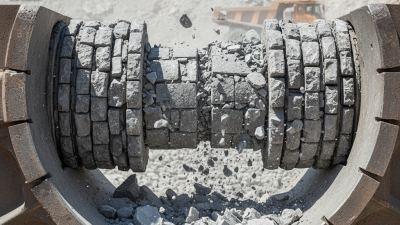
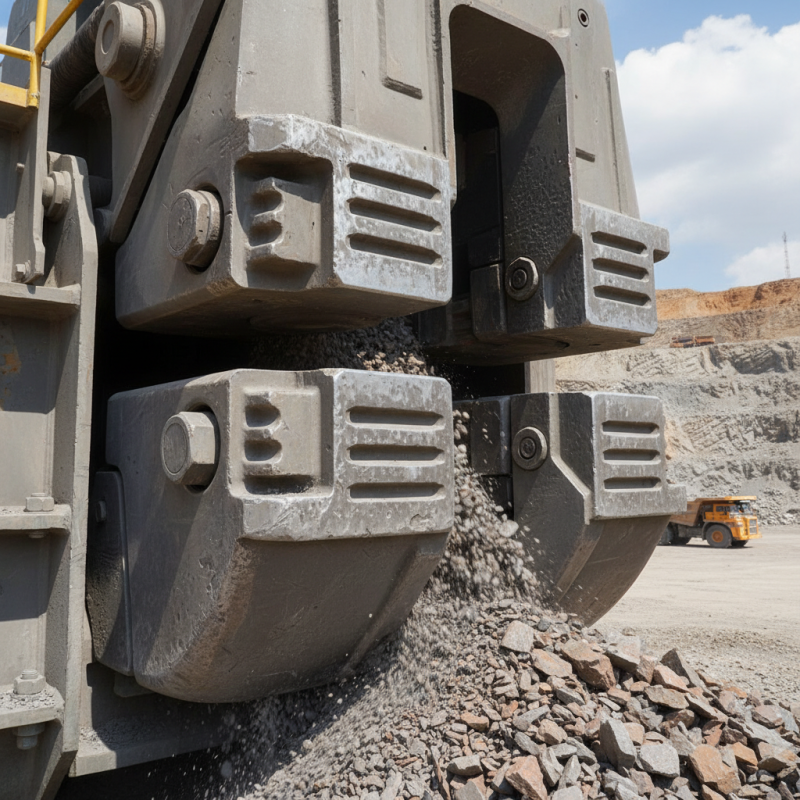
Jaw plates play a crucial role in mining machinery, specifically in crushers. They are essential for breaking down large rocks into smaller, manageable pieces. Understanding their functionality helps in selecting the right machinery.
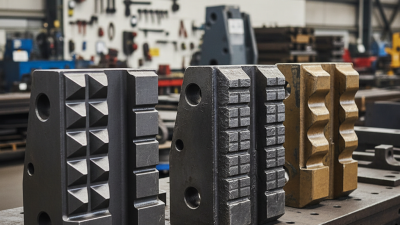
The design and material of jaw plates impact their efficiency and durability. Materials can vary from manganese steel to different alloys. Each type has its strengths and weaknesses. For instance, while manganese offers excellent wear resistance, it may not perform well under certain conditions. It's important to evaluate operational needs before making a choice.
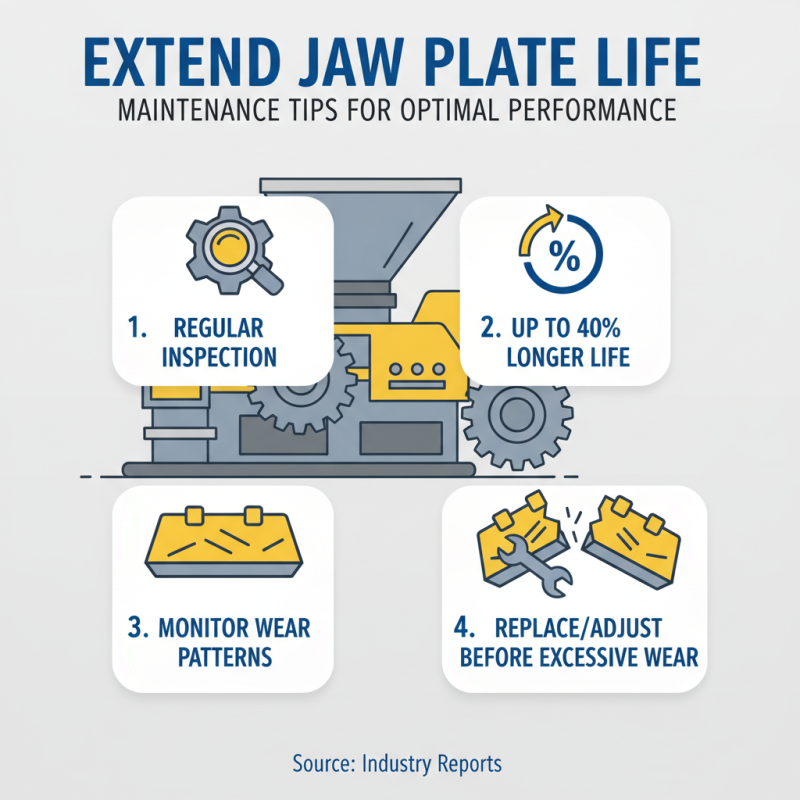
Monitoring your jaw plates is vital. Over time, wear and tear can affect performance. A worn-out plate can lead to inefficient crushing and increased operational costs. Regular inspections can help identify when a replacement is necessary. Balancing the cost and quality of jaw plates requires careful thought. Sometimes, opting for premium options may prove more economical in the long run, despite a higher upfront cost.
Top Tips for Choosing the Right Mining Machinery Jaw Plate
| Attribute |
Description |
Importance |
Material Type |
| Material Composition |
Jaw plates are made from various materials including manganese steel, which provides durability. |
High |
Manganese Steel |
| Thickness |
The thickness of the jaw plate affects its lifespan and efficiency during crushing. |
Medium |
Various |
| Surface Hardness |
The hardness of the surface determines wear resistance and overall performance. |
High |
Heat-treated Steel |
| Shape & Design |
The design influences the crushing efficiency and material flow. |
High |
Customizable |
| Cost |
The price can vary widely; selecting the cheapest may not yield the best results. |
Medium |
Various |
Key Factors to Consider When Selecting Jaw Plates
When selecting jaw plates for mining machinery, several key factors should guide your decision. The
material composition is crucial. Jaw plates can vary from
manganese steel to other alloys. Each material has unique properties that affect wear resistance and durability.
It's important to understand the specific conditions of your operations. Environment plays a significant role in this choice.
Another factor to consider is the design of the jaw plates. Different designs can influence performance
and efficiency. For example, a curved design may enhance material flow, while a
flat surface could offer better stability. Evaluating your equipment's requirements
and the material's characteristics is essential. Many overlook this aspect, leading to inefficiencies.
The compatibility of the jaw plates with your existing machinery cannot be neglected. This includes dimensions and
mounting features. The tolerance levels need thorough review. If they don’t fit perfectly, it can lead to unexpected
breakdowns or increased maintenance costs. Reflect on past experiences; sometimes, we don’t prioritize proper fit,
leading to longer downtimes. Understanding these factors will lead to better decision-making, ultimately improving your operation's productivity.
Material Types and Their Impact on Jaw Plate Performance
Choosing the right material for jaw plates is crucial.
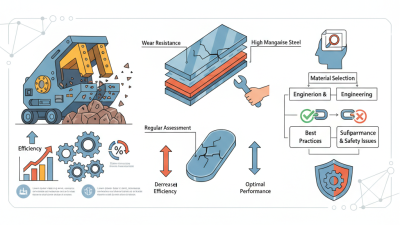
The type of material directly impacts performance and longevity. Most jaw plates are made from high manganese steel, which is known for its high wear resistance. According to industry data, high manganese steel can withstand more than 10% of the wear compared to other materials. This makes it a popular choice in mining applications.
However, not all materials are equal. For instance, some operations may benefit from ceramic composites. These materials can provide increased hardness but may lack the ductility needed for robust operation. Reports indicate that while ceramic composites achieve a hardness rating up to 70 HRC, they can shatter under extreme pressure, leading to equipment failures. This highlights the importance of selecting a material that offers a balance between hardness and toughness.
Investigating the local geological conditions is also necessary. Different rock types exert varying levels of stress on jaw plates. A report from mining analytics suggests that softer rocks may result in less wear, while harder rocks demand materials that can endure higher impact forces.
Operators need to assess not only cost but also the long-term performance implications of material selection. Each operation has unique challenges; understanding these nuances is key to optimizing machinery efficiency.
Sizing and Compatibility: Ensuring Proper Fit for Your Machinery
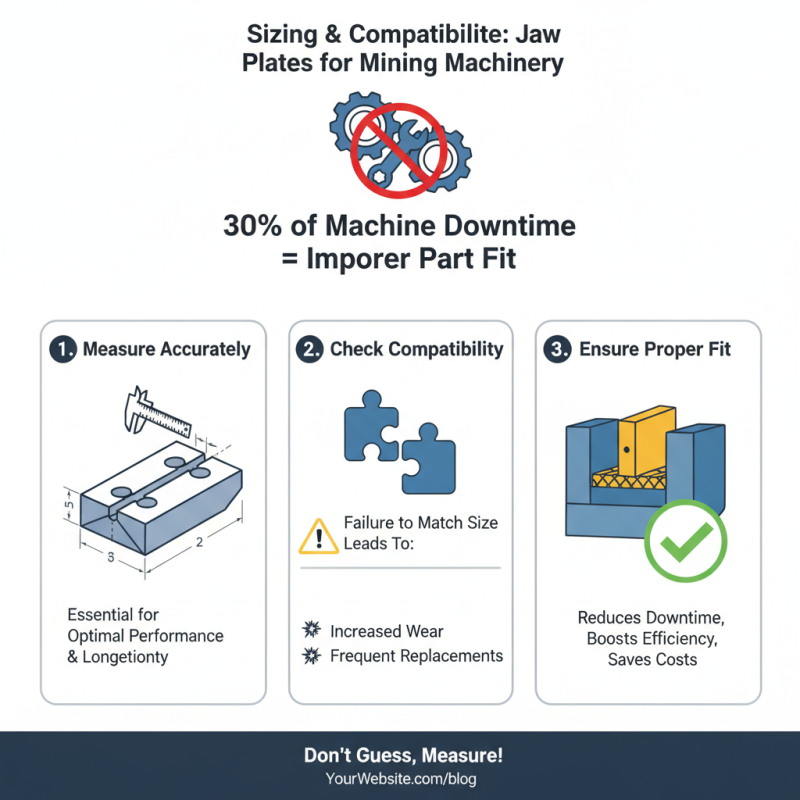
Choosing the right jaw plate for mining machinery requires careful attention to sizing and compatibility. Reports show that around 30% of machine downtime stems from improper part fit. An accurate measurement of the jaw plate dimensions is essential to ensure optimal performance and longevity. Failure to match the size can lead to increased wear and frequent replacements.
Additionally, consider material compatibility. Different materials can affect the effectiveness of your machinery. Research indicates that the right material can increase resistance to wear by up to 40%. This factor alone impacts overall productivity. However, many operators overlook this critical aspect, opting for the cheapest option, which may lead to long-term failures.
The installation process also demands scrutiny. Misalignment often occurs, which can cause premature failures. Data suggests that poorly installed jaw plates contribute to a 20% increase in operational costs. Regular inspections and recalibrations can help identify these issues early. Reflecting on past experiences can guide better decisions in future purchases, ultimately enhancing operational efficiency.