How to Optimize Your Moving Jaw Mechanism for Maximum Efficiency in 2025
In the fast-evolving landscape of mechanical systems, optimizing the Moving Jaw mechanism has become a crucial focus for engineers and manufacturers aiming for peak operational efficiency. As we approach 2025, industry experts emphasize the importance of innovative design and advanced materials in enhancing the performance of these systems. Dr. James Reynolds, a leading expert in mechanical engineering, states, "The future of the Moving Jaw mechanism lies in our ability to integrate smart technologies and sustainable practices that push the boundaries of efficiency."
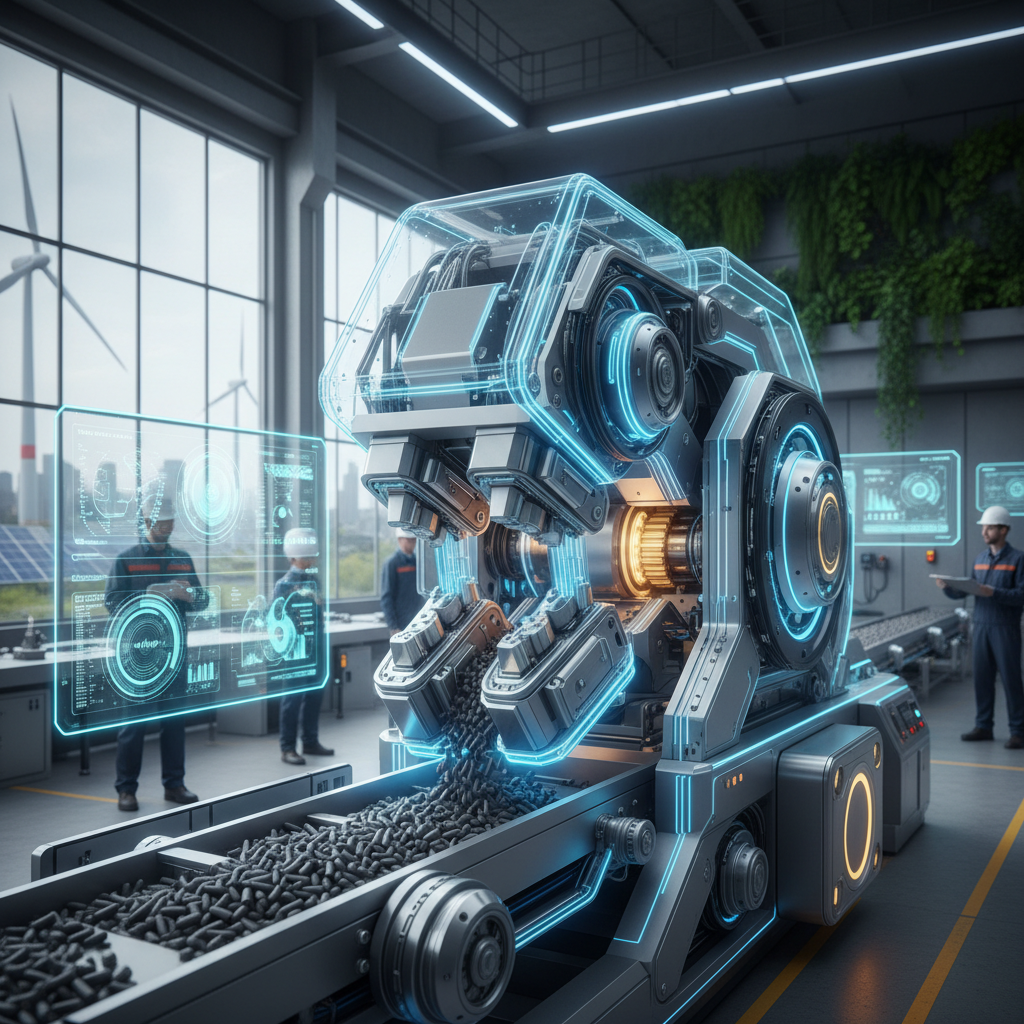
To achieve maximum efficiency in Moving Jaw mechanisms, it’s essential to explore the latest advancements in simulation and design software. By leveraging these tools, engineers can refine their designs and minimize energy losses, paving the way for improved performance in various applications. Moreover, sustainable practices—such as the incorporation of eco-friendly materials and manufacturing processes—play a significant role in not only enhancing the efficiency of Moving Jaw systems but also in meeting the growing demand for environmentally responsible engineering solutions.
As we delve into the top strategies for optimizing Moving Jaw mechanisms in 2025, it becomes clear that taking a holistic approach—incorporating technological innovations, design improvements, and sustainability—will be key to staying competitive in this dynamic industry.
Innovative Materials for Enhancing Moving Jaw Mechanism Performance
The performance of moving jaw mechanisms is heavily influenced by the materials used in their construction. As we approach 2025, innovative materials are poised to revolutionize the efficiency of these mechanisms. According to a report by the International Journal of Mechanical Engineering, switching from traditional steel components to advanced composites can yield a weight reduction of up to 30%, subsequently improving energy efficiency and operational speed. This weight reduction minimizes inertia, allowing for quicker response times in mechanical movements.
Moreover, the application of materials such as carbon fiber reinforced polymers (CFRP) has shown a significant increase in strength-to-weight ratios, reaching values approximately five times greater than conventional alloys. This enhancement not only contributes to increased durability and reduced wear but also supports complex load-bearing configurations. A case study presented by the Society of Automotive Engineers indicates that implementing CFRP in moving jaw assemblies can enhance performance longevity by over 25%, thereby reducing maintenance costs and downtime. As we look ahead, the integration of these innovative materials into moving jaw mechanisms is essential for maximizing their operational efficiency and durability in demanding applications.
Design Modifications for Improved Efficiency in Moving Jaw Systems
To enhance the efficiency of moving jaw mechanisms in 2025, it is essential to implement design modifications that leverage advanced materials and innovative geometries. According to a recent industry report by the International Journal of Mechanical Engineering, optimizing the weight distribution and stiffness of the jaw mechanism can lead to a reduction in energy consumption by as much as 25%. This becomes crucial in applications like crushers and conveyors, where the operational efficiency directly impacts productivity and overall operational costs.
Incorporating dynamic simulation tools during the design phase can facilitate the identification of stress points and help iterate designs before physical prototypes are created. Research from the American Society of Mechanical Engineers highlights that using simulation results to refine jaw profiles can improve the mechanical advantage by up to 30%. Additionally, adopting friction-reducing coatings and implementing direct drive systems instead of traditional belt drives can further streamline operations, ensuring that moving jaws function at peak performance with minimal maintenance.
Integration of Smart Technology for Real-Time Performance Monitoring
In 2025, optimizing your moving jaw mechanism will heavily rely on integrating smart technology, which enables real-time performance monitoring. This innovation facilitates precise adjustments, leading to enhanced efficiency and reduced wear and tear. Smart sensors can provide continuous feedback on the mechanism's performance, allowing for immediate identification of any discrepancies or inefficiencies. By leveraging data analytics, you can predict potential failures before they occur and streamline maintenance schedules accordingly.
Here are some tips for incorporating smart technology into your moving jaw mechanism: First, invest in high-quality sensors that can monitor critical parameters such as temperature, vibration, and load. Second, implement a centralized data management system that aggregates the information from these sensors, providing a clear view of performance metrics. Additionally, consider using machine learning algorithms to analyze this data for predictive insights, helping you make informed decisions that boost operational efficiency.
By fostering a smart environment around your moving jaw mechanism, you will not only maximize efficiency but also ensure sustainability in your operations. Continuous performance monitoring equips you with the knowledge to innovate and improve over time, keeping your systems ahead of the curve.
How to Optimize Your Moving Jaw Mechanism for Maximum Efficiency in 2025 - Integration of Smart Technology for Real-Time Performance Monitoring
| Parameter |
Current Value |
Target Value (2025) |
Improvement (%) |
Real-Time Monitoring Technology |
| Efficiency Rate |
85% |
95% |
11.76% |
IoT Sensors |
| Durability |
5 years |
8 years |
60% |
Wear Monitoring System |
| Energy Consumption |
500 kWh/year |
300 kWh/year |
40% |
Smart Power Management |
| Maintenance Frequency |
Quarterly |
Bi-annually |
50% |
Predictive Analytics |
Maintenance Strategies to Extend the Lifespan of Moving Jaw Mechanisms
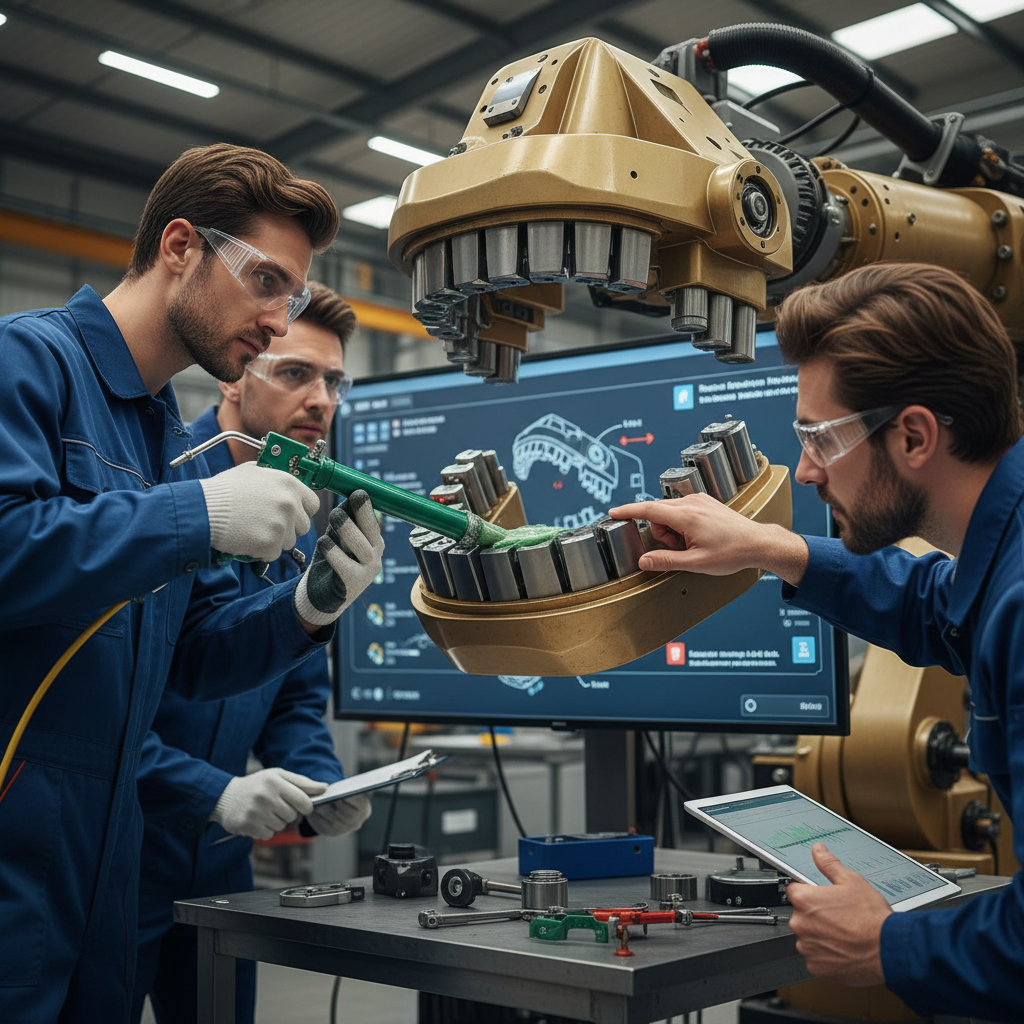
To extend the lifespan of moving jaw mechanisms, implementing effective maintenance strategies is crucial.
Regular inspections should be performed to identify any signs of wear or misalignment. Lubrication is key—ensuring that all moving parts are adequately greased can reduce friction and prevent overheating, which can lead to premature failure.
Additionally, operators should be trained to recognize abnormal sounds or vibrations, which can indicate underlying issues that need immediate attention.
Scheduled maintenance should include cleaning and replacing worn components. Over time, contaminants can accumulate and adversely affect the mechanism’s performance. By establishing a routine maintenance schedule, operators can proactively address potential problems before they escalate, ensuring that the moving jaw operates at maximum efficiency.
Furthermore, utilizing high-quality materials for replacement parts can significantly contribute to the durability of the system, helping to avoid frequent breakdowns and costly repairs. Investing in regular training for maintenance personnel will also ensure that best practices are consistently followed, further enhancing the reliability and lifespan of moving jaw mechanisms.
Environmental Considerations in the Optimization of Jaw Mechanisms
As industries increasingly prioritize sustainability, optimizing moving jaw mechanisms with environmental considerations in mind is essential for achieving maximum efficiency. Current studies indicate that implementing energy-efficient designs can reduce the carbon footprint of manufacturing processes by up to 30% (International Energy Agency, 2023). Utilizing advanced materials, such as lightweight composites, not only enhances the performance and durability of jaw mechanisms but also contributes to lowering the energy consumed during operation.
Moreover, the integration of smart technologies offers significant potential for reducing waste and improving resource management. For instance, predictive maintenance systems, powered by IoT, can lead to a 25% decrease in machinery downtime, subsequently minimizing unnecessary energy use (National Institute of Standards and Technology, 2023). By focusing on such innovations, manufacturers can optimize their jaw mechanisms while adhering to eco-friendly practices that align with global sustainability goals. These efforts not only enhance operational efficiency but also resonate well with consumers increasingly aligning their purchasing decisions with brands committed to environmental responsibility.
Efficiency of Moving Jaw Mechanisms (2022-2025)