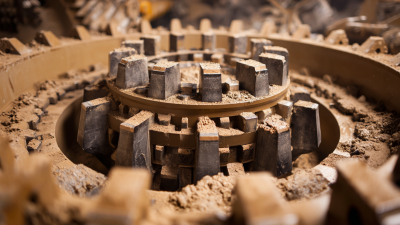
Top 10 Mining Machinery Jaw Plates Buyers Guide?
Mining Machinery Jaw Plates play a crucial role in the efficiency of mining operations. These components ensure that heavy machinery can withstand significant wear and tear. Selecting the right jaw plates can greatly impact performance and productivity. However, many buyers struggle to navigate the options available.
Understanding different materials and designs is essential. Many mining professionals often overlook the importance of durable jaw plates. Quality should never be sacrificed for price. Sometimes, cheaper products lead to increased maintenance costs and downtime. Buyers must weigh short-term savings against long-term value.
Additionally, consulting experts in the field can make a difference. Experienced buyers know the subtleties that can affect performance. Industry trends also influence purchasing decisions. As technology evolves, so do the specifications for Mining Machinery Jaw Plates. Staying informed is vital for making sound choices.
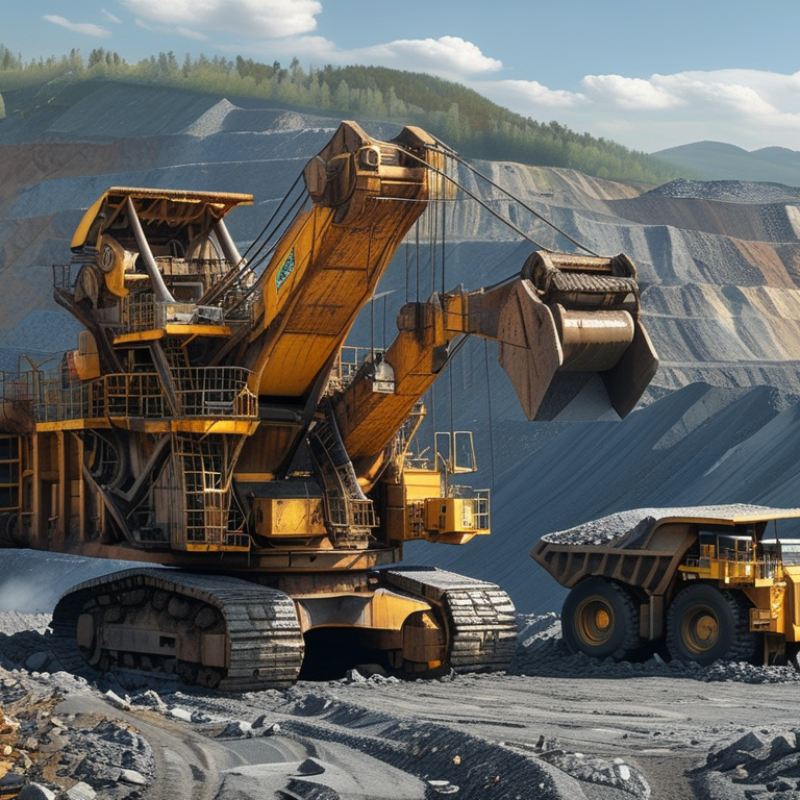
Understanding the Importance of Jaw Plates in Mining Machinery
Jaw plates are essential components in mining machinery, especially in jaw crushers. They play a crucial role in the crushing process, leading to the effective reduction of materials. This process can be particularly demanding. Jaw plates endure significant wear and tear due to the constant impact and pressure from the materials being crushed.
Choosing the right jaw plates can significantly impact machine efficiency. Factors such as material hardness, crushing capacity, and the nature of the mined substance all come into play. Regular evaluations of jaw plates are necessary. If the plates show signs of excessive wear or damage, they need replacing. Ignoring this can lead to reduced functionality and increased operational costs.
The choice of material for jaw plates also warrants reflection. Higher quality materials last longer but may come with a higher initial cost. This creates a trade-off that mining operations must consider. Sticking with lower quality options might save money initially, but could lead to more frequent replacements. Balancing cost and durability is key to optimal performance in mining machinery.
Key Factors to Consider When Selecting Jaw Plates
When selecting jaw plates, several key factors come into play. The material type is crucial. High manganese steel is common for its durability and resistance to wear. However, there are alternatives such as alloy steel that may suit specific applications. Consider the hardness level, as it affects performance and lifespan. A balance between hardness and toughness is essential for optimal operation.
Another aspect to evaluate is the design of the jaw plates. Different configurations may enhance crushing efficiency and reduce downtime. Proper fitment is vital for maintaining machine integrity. Misaligned plates can lead to increased wear and unexpected failures.
Purchasing from reputable suppliers is critical. Investigate their experience and reviews in the industry. Consistent quality can only be ensured through established relationships and standards. Remember to also inquire about support and warranty options. This can mitigate potential issues down the road. Not all suppliers are equal; careful selection is necessary. Your choice can impact the overall productivity and costs of operations.
Types of Materials Used in Jaw Plates and Their Benefits
Jaw plates play a critical role in mining and quarrying operations. They serve as the primary crushing surfaces in jaw crushers. The materials used to fabricate these plates influence their performance and durability. Common materials include manganese steel, ceramic, and composite materials, each offering unique benefits.
Manganese steel is highly popular due to its toughness and wear resistance. It retains its shape during crushing, making it effective for hard rock applications. On the other hand, ceramic plates are lighter and offer excellent wear resistance. They are suitable for softer materials. Composite materials can provide a good balance of weight and durability. However, their performance may vary depending on the application.
Choosing the right material for jaw plates is essential. It can affect the efficiency and lifespan of the crushing equipment. Some buyers focus solely on the price. They may neglect the long-term benefits of investing in better materials. A thoughtful evaluation of material properties can lead to improved productivity. It’s wise to reflect on these factors before making a purchase. The right choice can enhance your operation’s overall effectiveness.
Top 10 Mining Machinery Jaw Plates Material Comparison
Top Brands and Manufacturers of Mining Machinery Jaw Plates
When considering jaw plates for mining machinery, various brands stand out in the industry. These manufacturers focus on high-quality materials to enhance durability and performance. Research indicates that the demand for robust and efficient jaw plates is rising in the mining sector, with a projected growth of over 4% annually through 2026.
Top brands often incorporate advanced metallurgical techniques. This leads to longer wear life and lower operational costs. Some industry reports highlight that jaw plates made from high manganese steel exhibit superior resistance to impact and abrasion. Furthermore, user feedback shows that reliable suppliers often provide better customer service and support, ensuring smoother operations.
However, not every brand meets the quality standards required. Some manufacturers cut costs, sacrificing material integrity for price competitiveness. In a market driven by efficiency, it’s vital to carefully evaluate options. Frequent maintenance checks can uncover issues early on, ensuring that the chosen jaw plates perform optimally. Selecting the right supplier involves balancing cost, quality, and after-sales support.
Maintenance Tips to Extend the Life of Jaw Plates
Proper maintenance of jaw plates is crucial for optimal performance and longevity. Regular inspections can help identify wear and tear early on. Check for cracks and uneven wear patterns. These issues can lead to bigger problems if not addressed promptly. Keeping jaw plates clean helps maintain their efficiency. Accumulated debris can affect crushing performance and cause unnecessary strain on the machinery.
Adjusting the spacing between jaw plates can also extend their lifespan. Finding the right gap is essential for effective crushing. Too tight or too loose can lead to excessive wear. Moreover, consider replacing jaw plates in pairs. This ensures uniform performance and reduces the chances of imbalance during operation.
Every operator should be aware of the signs of wear. Listening for unusual sounds can indicate that something is wrong. Ignoring these signs can lead to costly repairs. Maintaining the proper lubrication is another key factor. Regularly check lubrication levels to avoid friction-related issues. Keeping accurate maintenance logs can help track performance and identify patterns over time. These practices contribute to a reliable and efficient crushing process.
Top 10 Mining Machinery Jaw Plates Buyers Guide - Maintenance Tips to Extend the Life of Jaw Plates
| Rank |
Material |
Lifespan (hours) |
Main Application |
Maintenance Tips |
| 1 |
High Manganese Steel |
3,000 |
Hard Rock Mining |
Regular cleaning to prevent buildup |
| 2 |
Alloyed Steel |
2,500 |
Quarrying |
Inspect for wear and replace promptly |
| 3 |
Cast Iron |
2,000 |
Aggregate Processing |
Lubricate moving parts regularly |
| 4 |
Martensitic Steel |
2,800 |
Recycling Operations |
Avoid overloading the crusher |
| 5 |
Titanium-Composite |
3,500 |
Limestone Processing |
Monitor for cracks and replace if necessary |
| 6 |
Wear-Resistant Steel |
2,200 |
Sand Mining |
Ensure proper alignment during installation |
| 7 |
Chromium Steel |
2,600 |
Granite Crushing |
Use appropriate gear ratios to prevent stress |
| 8 |
Nickel Steel |
2,400 |
Gold Mining |
Conduct regular wear analysis |
| 9 |
Carbon Steel |
1,800 |
Coal Mining |
Check for surface corrosion regularly |
| 10 |
Bimetallic Composite |
3,200 |
Crushing Operations |
Keep jaw plates clean from debris |