Jaw Crusher Plate Material Tips for Optimal Performance?
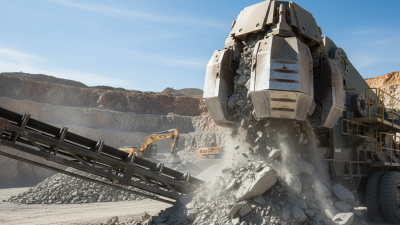
In the world of mining and construction, optimizing the performance of a jaw crusher is essential. The jaw crusher plate material plays a crucial role in this process. Selecting the right material ensures durability and efficiency. High-quality materials resist wear and tear. This leads to longer operational life and reduced downtime.
A wide range of materials are available, each with unique properties. Steel alloy and manganese are commonly used for their toughness. However, improper choice can lead to defects. For instance, hard materials can crack. On the other hand, soft materials may wear out faster. It is vital to assess the specific needs of the crushing operation.
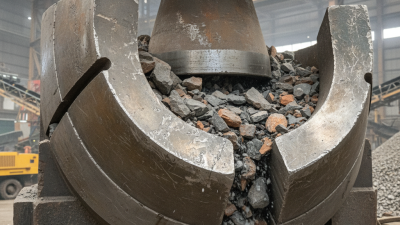
Understanding the nuances of jaw crusher plate material can significantly impact performance. The interaction between the crusher plates and the material being crushed must be considered. Regular maintenance checks are necessary to identify wear patterns. This awareness can guide material selection for enhanced productivity. Investing time in this knowledge can prevent costly mistakes.
Jaw Crusher Plate Material Selection for Enhanced Durability
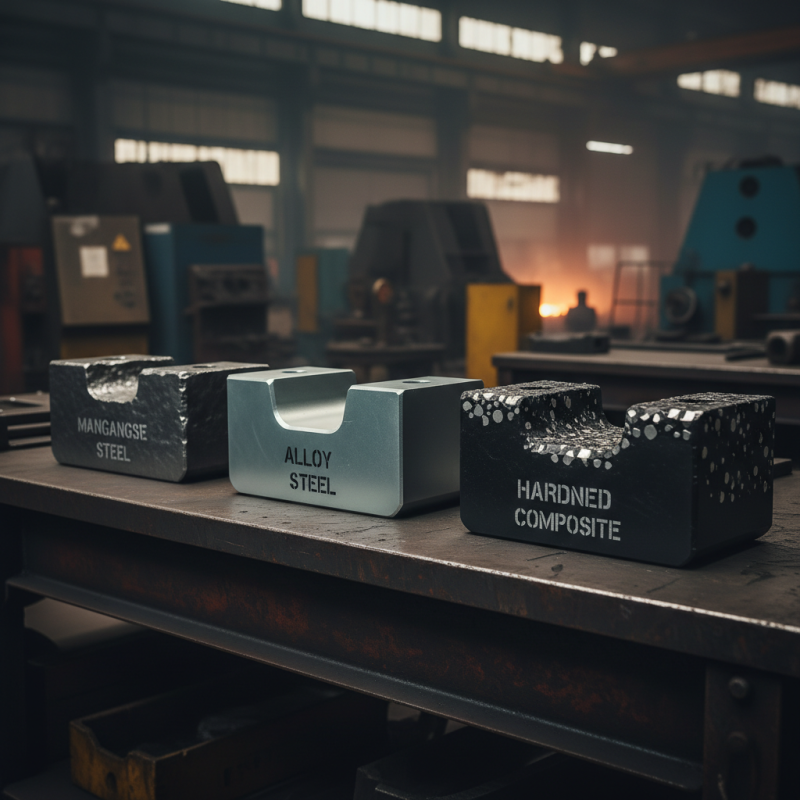
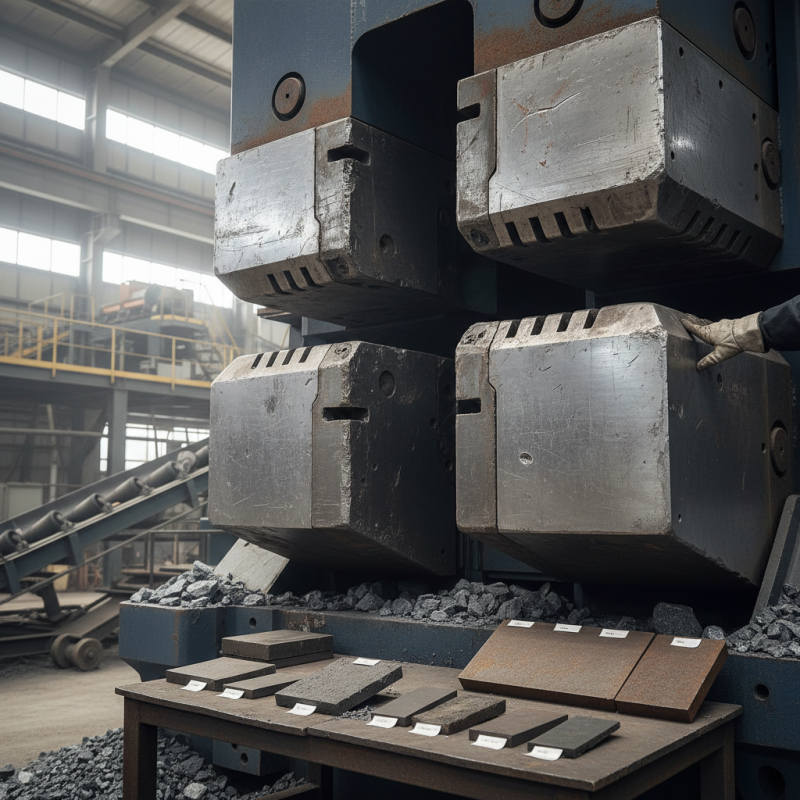
Choosing the right material for jaw crusher plates is essential. The selection can impact the equipment's effectiveness and lifespan. Common materials include manganese steel, alloy steel, and other hardened materials. Each has its pros and cons, demanding careful consideration.
Manganese steel is known for its high impact strength and resistance to abrasion. It works well in heavy-duty applications but can be costly. On the other hand, alloy steel can offer good wear resistance at a lower price. Yet, it may not perform as well under extreme conditions. Choosing the right balance is crucial but often overlooked.
Field studies reveal that using the wrong type can lead to premature wear or breakage. Regular inspection of the plates is vital. Operators must remain attentive to wear patterns. They need to reevaluate their choices periodically. This reflection can prevent costly downtime and enhance performance. Adopting a proactive approach leads to better outcomes in the long run.
Understanding Different Materials Used in Jaw Crusher Plates
When it comes to jaw crusher plates, the choice of material plays a crucial role. Typically, there are several materials used in manufacturing these plates. High manganese steel is a popular choice. It offers excellent adaptability and toughness, particularly under intense conditions. This material can withstand high wear and tear. However, it may not always provide the best performance in every environment.
Another option is chrome-moly steel. This alloy features enhanced hardness and strength. It is ideal for applications requiring high impact resistance. But, its cost might be a concern for budget-conscious operators. Additionally, the wear rates can vary significantly based on the type of mineral processed. Depending on the application, operators may need to experiment with materials. Striking a balance between cost, durability, and performance is essential for optimal use.
Lastly, there is the possibility of using composite materials. These can provide a blend of flexibility and strength. Yet, they might not provide the same lifespan as traditional options. It's vital to analyze each situation carefully. Selecting the right material is not always straightforward. Many factors come into play, and sometimes trial and error is necessary. Proper understanding of these materials helps in making informed decisions for long-term performance.
Jaw Crusher Plate Material Tips for Optimal Performance
| Material Type |
Hardness (HB) |
Advantages |
Disadvantages |
Common Applications |
| Manganese Steel |
200-250 |
High impact strength and resistance to abrasion |
Can be brittle under high stress |
Primary and secondary crushing of various materials |
| Alloy Steel |
180-240 |
Enhanced toughness and wear resistance |
Costly compared to standard grades |
High-volume production lines |
| High Carbon Steel |
400-500 |
Very strong and wear-resistant |
Less ductile, may crack under high stress |
Crushing abrasive materials |
| Ceramic Composites |
Varies widely |
Excellent wear resistance and lightweight |
Fragility, may not withstand impact |
Specialized applications |
Impact of Material Properties on Jaw Crusher Performance
The material properties of jaw crusher plates significantly influence their overall performance.
Hardness is crucial, as it determines how well the plates resist wear. Different materials can provide varying levels of hardness, impacting the lifespan of the plates.
In addition, toughness plays a vital role. Tougher materials can absorb impacts without cracking. This ensures better durability under heavy load conditions. However, finding the right balance between hardness and toughness can be challenging. A plate too hard may become brittle, while one that is too tough may wear rapidly.
Testing various combinations of materials could yield better outcomes. Regular assessments are necessary to gauge wear patterns and adjust the materials used.
Moreover, understanding how different materials interact with various rock types can lead to improved efficiency in crushing operations. Overall, careful consideration of material properties is essential for optimal jaw crusher performance.
Maintenance Tips for Prolonging Jaw Crusher Plate Life
Maintaining jaw crusher plates is crucial for performance and longevity. One essential tip is to regularly inspect the plates for wear and tear. This simple step can prevent unexpected failures. Operators should develop a maintenance schedule to ensure that plates are checked frequently. This helps in identifying issues before they escalate.
Another aspect to consider is proper lubrication. Insufficient lubrication can lead to excessive wear. Ensure grease and oil levels are adequate. Additionally, be aware of contamination. Dirt and debris can damage the plates quickly. Cleaning around the crusher is often overlooked but essential for extending the plate's lifespan.
Operators sometimes forget to monitor the material being crushed. Certain materials can be more abrasive than others. This can lead to accelerated wear of the plates. Adjusting the material feed can help manage this issue. Regular assessments of the crushing process may reveal potential improvements. Recognizing and addressing these factors can significantly enhance the jaw crusher plate's performance.
Best Practices for Optimizing Jaw Crusher Plate Efficiency
Optimizing jaw crusher plate efficiency is essential for achieving optimal performance. The right materials play a significant role in durability and functionality. Industry reports show that a properly designed jaw plate can increase production rates by up to 30%. This significantly reduces downtime and improves overall operational efficiency.
To enhance jaw crusher plate efficiency, consider the following tips. First, choose materials that offer superior wear resistance and impact strength. For instance, high-manganese steel is known for its excellent durability. Additionally, regularly inspect the jaw plates for signs of wear. Early detection can prevent costly repairs and extend the life of the plates.
Another crucial aspect is the proper alignment of the jaw plates. Misalignment can cause uneven wear and affect crushing performance. A report by the International Journal of Mineral Processing indicates that misalignments can lead to a reduction in throughput by 15-20%. Maintaining correct alignment ensures that pressure is evenly distributed across the plates. Optimize your jaw crusher's performance with these insights for enhanced productivity.