Fixed Jaw Tips for Optimal Sourcing and Usage Benefits?
In the world of sourcing tools, the importance of Fixed Jaw tips cannot be overstated. These tips play a crucial role in various applications, ensuring efficiency and precision. From industries like manufacturing to electronics, the demand for reliable Fixed Jaw solutions is ever-increasing.
Choosing high-quality Fixed Jaw tips is essential for optimal usage. Poor quality can lead to inconsistent performance and increased costs. A professional perspective reveals that sourcing quality materials significantly impacts the longevity of these tools. Users often overlook the importance of proper maintenance. Regular checks and proper care can extend the lifespan of Fixed Jaws.
When considering Fixed Jaw tips, reflect on your specific needs. Many users make the mistake of not assessing the fit for their applications. Reliable suppliers provide comprehensive information. This ensures you can make informed decisions. Balancing cost and quality is crucial for success.
Understanding Fixed Jaw Tips: Definition and Applications
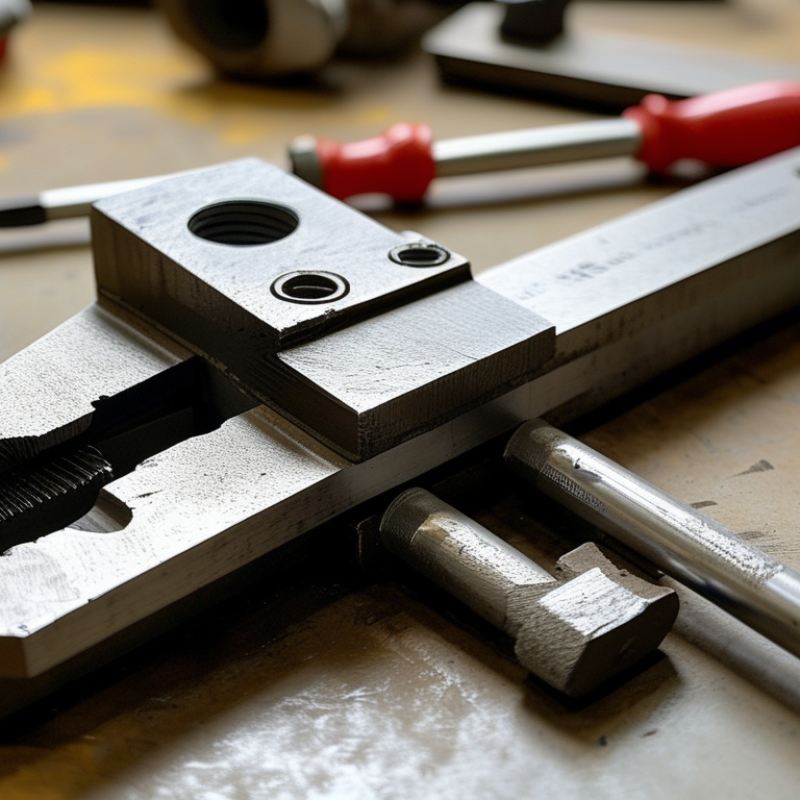
Fixed jaw tips are essential tools in various industrial applications. They provide robust support and stability when securing workpieces. Many industries utilize these components, from automotive to aerospace. According to a recent market analysis by Grand View Research, the fixed jaw clamp market is projected to grow significantly. This reflects the increasing need for precision and reliability across sectors.
Understanding fixed jaw tips involves grasping their definition and applications. They typically feature a rigid design that ensures parts stay in place. This rigidity is crucial for processes like welding and machining. A report from MarketsandMarkets indicates that the demand for reliable clamping solutions is rising, particularly in regions emphasizing automation and quality control.
Despite their many advantages, fixed jaw tips can present challenges. For instance, improper alignment may lead to production errors. Additionally, wear and tear can affect performance over time. Operators must be aware of maintenance best practices to mitigate these issues. They should regularly inspect and calibrate their equipment to maintain optimal functionality.
Key Factors to Consider When Sourcing Fixed Jaw Tips
When sourcing fixed jaw tips, several key factors play a crucial role. Material selection is paramount. High-quality materials lead to improved durability and performance. According to a recent industry report, materials like carbide or high-speed steel result in a longer lifespan, reducing replacement frequency by up to 30%. This ultimately saves costs over time.
Understanding the intended application is also vital. Fixed jaw tips are used in various industries. Selecting the wrong tip can lead to inefficiencies. For instance, using the appropriate tip can enhance machining precision by 25%. This not only improves output quality but also minimizes material waste.
Tip: Always consider the manufacturer’s specifications. They often provide insights on compatibility and performance. Following guidelines can lead to optimal results. Assessing feedback from experienced users can shape future sourcing decisions. Aim for a balance between cost and quality. Mindful choices today can mean better performance tomorrow.
Fixed Jaw Tips Sourcing Factors and Benefits
Material Selection for Enhanced Durability and Performance
Material selection is crucial for fixed jaw tips as it directly affects durability and performance. High-quality materials, like hardened steel or durable alloys, offer better resistance against wear and tear. These materials ensure that the fixed jaw tips can withstand heavy usage without degrading quickly. Hardness and tensile strength also play significant roles in the longevity of these tools.
However, choosing the right material isn't always straightforward. Some materials may provide excellent durability but can be cost-prohibitive. Others may be economical but may not offer the desired strength. It's essential to weigh the benefits and drawbacks carefully. A balance must be struck between efficiency and cost-effectiveness to ensure optimal performance in the long run.
Environmental factors can influence material performance too. Exposure to moisture, chemicals, or extreme temperatures can lead to premature failure. Users should consider their specific applications and the environments in which tools will be used. Reflecting on past experiences can guide better decisions in material selection for future purchases. Recognizing the need for ongoing evaluation helps improve outcomes in sourcing and usage.
Best Practices for Using Fixed Jaw Tips Effectively
When using fixed jaw tips, understanding their design and purpose is crucial. These tips are durable and stable, making them essential for various applications. Proper fitting ensures optimal performance. Always check for wear and replace tips when necessary. Regular maintenance is vital to avoid downtime and ensure safety.
Effective usage involves knowing the correct pressure and angles. Excess pressure can distort workpieces or damage the tips. Experiment with different settings to find what works best for your projects. Document successes and failures to refine your technique. Continuous learning will enhance your efficiency and outcomes.
Sometimes, manufacturers provide guidelines. However, relying solely on these may not lead to the best results. Field experience often reveals more. Collaborate with peers to share insights and strategies; this can reveal innovative ways to use fixed jaw tips. Embrace trial and error, as it fosters growth and expertise.
Maintenance and Care for Prolonging the Lifespan of Fixed Jaw Tips
Caring for fixed jaw tips is essential for longevity and performance. Regular maintenance can prevent unnecessary wear. Inspect the tips regularly for signs of damage. Look for cracks or dull edges. Conducting these checks can save money in the long run.
Cleaning is a crucial step in maintaining fixed jaw tips. Use a soft brush and a mild cleaner after each use. Avoid harsh chemicals that can damage the material. Rinsing them thoroughly is vital. Dry them completely to prevent rust or corrosion.
Proper storage also plays a pivotal role. Keep the tips in a dedicated case to protect them from impact. Store them away from moisture to avoid deterioration. Not everyone knows this, which can lead to errors. Regular care allows for reliable performance over time.
Fixed Jaw Tips for Optimal Sourcing and Usage Benefits
| Dimension |
Material Type |
Usage Benefits |
Maintenance Tips |
Expected Lifespan (Years) |
| Large |
High Carbon Steel |
Enhanced durability, high resistance to wear |
Regular cleaning after use, avoid moisture |
3-5 |
| Medium |
Aluminum Alloy |
Lightweight, corrosion-resistant |
Store in dry conditions, lubricate joints |
2-4 |
| Small |
Stainless Steel |
High strength, excellent corrosion resistance |
Clean with non-abrasive materials, avoid extreme temperatures |
5-7 |