How to Choose the Right Mining Stone Crusher Parts for Your Needs?
Choosing the right Mining Stone Crusher Parts is crucial for optimal performance. These components play a vital role in ensuring efficiency and durability. A reliable crusher part can significantly enhance the lifespan of your equipment.
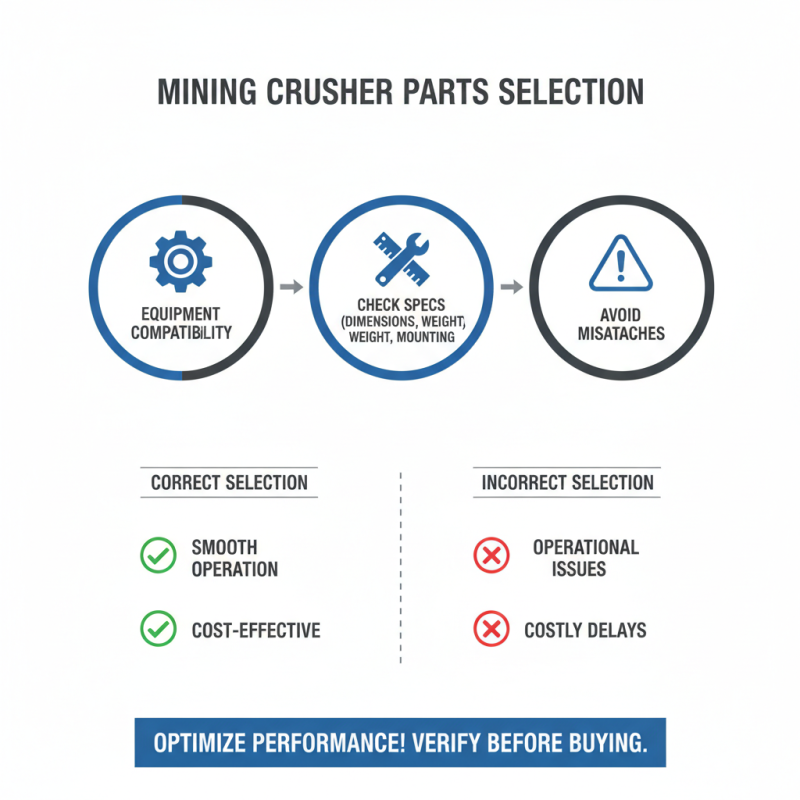
When selecting parts, consider the material quality. Do they meet industry standards? Durability is essential, especially under harsh conditions. Analyze the compatibility with your specific crusher model. Mismatched parts can lead to operational issues and increased costs.
It's tempting to choose the cheapest option available. However, this might not always be wise. Sometimes, paying a bit more ensures better quality. Reflect on past experiences; did inexpensive parts fail earlier than expected? Avoid repeating these mistakes. Always weigh your options carefully.
Identifying the Types of Mining Stone Crusher Parts Available
When choosing mining stone crusher parts, it's essential to understand the types available. Different components serve unique functions. Some focus on durability, while others prioritize efficiency. Knowing these differences helps in making informed choices.
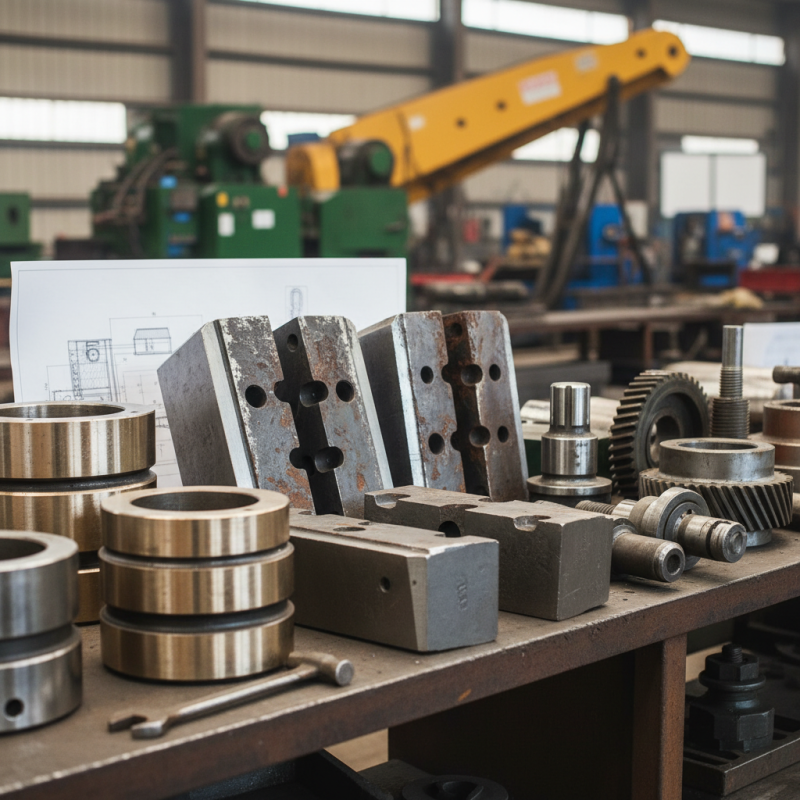
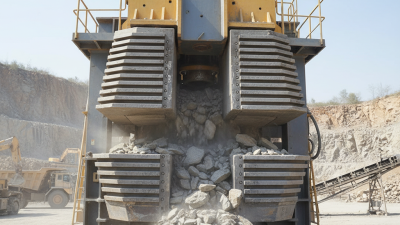
For instance, jaw plates are vital for crushing large stones. Their material affects longevity and performance under stress. Also, cone crusher liners shape the crushed material. They wear over time, so monitoring their condition is crucial. Ignoring this can lead to unexpected downtime.
Another type is the impact crusher blow bars. These parts endure intense impact forces. Selecting the right material can improve output quality. However, choosing between different alloys can be tricky. A decision based solely on cost might not ensure quality. Balancing budget and performance is a common struggle for many. Each choice reflects specific needs and operational goals.
Understanding Your Specific Crushing Needs and Requirements
Choosing the right mining stone crusher parts is crucial for effective operations. Understanding your specific crushing needs and requirements is the first step. Consider factors like the type of materials you handle and the scale of your projects. Different materials may require different types of crushers, so effective evaluation is key.
Tips: Assess the hardness and abrasiveness of the stones. This will influence your choice. Heavy-duty environments might need robust parts, while softer materials may allow for lighter options. Don’t rush this evaluation process; it can lead to costly mistakes.
Pay attention to the size and capacity of your current equipment. Mismatched components can lead to inefficiencies. For example, a part that is too small could wear out quickly, while oversize parts may create unnecessary strain. Regularly review the performance of your components.
This reflection can uncover where improvements are needed.
Tips: Keep track of wear patterns on your parts. This can provide insight into what might be lacking. Consider seeking feedback from your operators about performance issues. The right parts will ultimately enhance productivity.
Evaluating Material Durability and Performance of Crusher Parts
Selecting the right mining stone crusher parts requires careful evaluation of material durability and performance. A study by the Mining Equipment Manufacturers Association suggests that parts made from high-chrome alloy can enhance wear resistance by 50%. This improvement can significantly reduce downtime and maintenance costs.
Materials like manganese steel are popular for their excellent toughness. They withstand the high impact forces common in crushing operations. However, their performance can wane if not correctly matched with specific crusher types. A miscalculated choice may lead to premature failure, resulting in costly repairs.
Additionally, it’s crucial to assess the compatibility of parts with existing equipment. Data shows that up to 30% of failures stem from improper installation or mismatched specifications. Regular monitoring and assessment of part performance can reveal trends and help in recalibrating your choices, ensuring you meet production demands efficiently. It's a process of learning and adapting, one that can drive improvements over time.
How to Choose the Right Mining Stone Crusher Parts for Your Needs?
| Part Name |
Material |
Durability Rating |
Performance Efficiency |
Cost |
| Jaw Plate |
High Manganese Steel |
8/10 |
85% |
$500 |
| Roller |
Alloy Steel |
7/10 |
80% |
$300 |
| Impact Liner |
Chrome Steel |
9/10 |
90% |
$350 |
| Cone Liner |
Manganese Steel |
8/10 |
87% |
$600 |
| Screen Mesh |
Steel Wire |
6/10 |
75% |
$150 |
Assessing Compatibility with Your Existing Mining Equipment
When selecting mining stone crusher parts, compatibility with your existing equipment is crucial. Assess the specifications of your current machinery. Check for dimensions, weight, and mounting points. A mismatch can lead to operational issues. Adjusting components can be costly and time-consuming.
Consider the material used in the replacement parts. Different materials have varied durability. Iron and steel, for instance, behave differently under stress. Choosing the wrong material might result in faster wear and tear. Review how these parts fit into your workflow. Disruptions can hamper productivity and increase costs in unforeseen ways.
Test compatibility before making purchases. Sometimes, even minor discrepancies can create major problems. Engage with your team to discuss potential challenges. Their insights can illuminate aspects you might overlook. Remember, the right choices can significantly impact your efficiency and longevity in the field. Reflect on past experiences where compatibility issues arose. Learn from those moments.
Comparing Costs and Supplier Options for Crusher Parts Choices
When choosing mining stone crusher parts, cost is a key factor. Different suppliers offer varying prices for similar components. It's essential to compare these options carefully. The cheapest parts may not always be the best choice. Quality often influences durability and performance.
Many suppliers might provide parts of questionable quality at lower prices. This can lead to frequent breakdowns and costly repairs. Investing in reliable parts can save money in the long term. It's wise to assess not just the price, but also the quality and warranty offered.
While making decisions, consider your specific needs. Parts that fit perfectly should be prioritized. Sometimes, taking a bit more time to research pays off. Seek out customer reviews and feedback. This can provide insight into the performance of the parts. Making informed choices will help your equipment run smoothly.