Why Choose Mining Stone Jaw Plate for Your Project Needs?
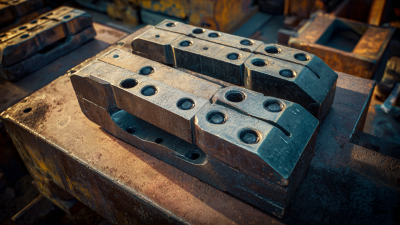
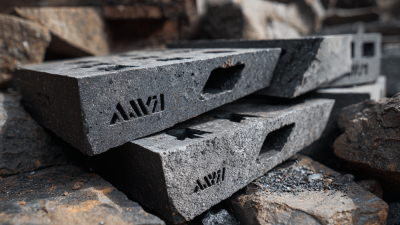
When it comes to construction and mining projects, selecting the right materials is crucial. The Mining Stone Jaw Plate stands out for its durability and performance. These plates are key components in various applications, from crushing rocks to processing materials. With their robust design, they handle heavy workloads efficiently.
Many projects face challenges like wear and tear. The Mining Stone Jaw Plate is built to resist such issues. Traditional plates may fail under stress, leading to costly delays. In contrast, the Mining Stone Jaw Plate offers reliability, ensuring that operations run smoothly. Their longevity translates into lower maintenance costs and improved productivity on the job site.
However, not all jaw plates are created equal. It's essential to choose a supplier with proven expertise. Some products may not meet industry standards, causing frustration. Doing thorough research will lead to better decisions. Trustworthy suppliers understand the importance of quality. Investing in a superior Mining Stone Jaw Plate can ultimately set your project up for success.
Understanding the Role of Mining Stone Jaw Plates in Construction Projects
Mining stone jaw plates are pivotal in construction projects. They serve a critical function in breaking down large rocks and materials. Their robust design ensures they withstand the immense forces involved during the crushing process. Often, these jaw plates are engineered with high-quality materials that enhance durability. This quality is essential for projects requiring consistent efficiency.
By understanding the application of these tools, one can optimize the construction process. For instance, the gap between the plates can be adjusted to vary the size of the crushed material. This is crucial for projects needing specifications for different grades of construction aggregates. However, improper maintenance can lead to inefficiencies and premature wear. Regular inspections are key to ensuring optimal performance.
It's important to recognize the balance required in selecting jaw plates. Too strong a material may lead to unnecessary costs, while too weak can result in frequent replacements. Evaluating project needs and environmental conditions is crucial in making informed choices. Not every project will benefit from the same type of jaw plate, and careful consideration can prevent costly mistakes.
Key Advantages of Using Mining Stone Jaw Plates in Your Operations
Mining stone jaw plates are crucial for enhancing operational efficiency in various projects. These plates are designed to withstand heavy wear and tear. Their robust construction ensures a longer lifespan compared to standard options. In high-demand environments, this durability leads to lower replacement costs over time.
Using mining stone jaw plates also improves crushing capacity. The unique shapes and materials can optimize the size reduction process. Improved performance translates to higher productivity rates. However, it’s essential to evaluate the specific requirements of your operations. Not all jaw plates are created equal; some may not fit your needs.
Another advantage is adaptability. Stone jaw plates can be customized based on the materials being processed. This means enhanced effectiveness in different mining contexts. Balancing cost and effectiveness is vital. Cutting corners can lead to failures. Investing in the right plates may seem expensive initially, but the long-term gains can outweigh the upfront costs. Reflecting on your choice of equipment is necessary for sustained success.
Why Choose Mining Stone Jaw Plate for Your Project Needs? - Key Advantages of Using Mining Stone Jaw Plates in Your Operations
| Advantage |
Description |
Impact on Operations |
| Durability |
Designed to withstand harsh environments and resistance to wear. |
Reduces downtime and replacement costs. |
| Efficiency |
Optimized for crushing and delivering consistent particle size. |
Increases throughput and productivity. |
| Cost-Effectiveness |
Competitive pricing with high ROI. |
Improves budget management and profitability. |
| Customization |
Available in various sizes and specifications. |
Ensures the best fit for specific operational needs. |
| Reduced Noise |
Engineered to minimize noise during operation. |
Enhances working conditions and compliance with regulations. |
Materials and Durability: What Makes Jaw Plates Ideal for Mining?
Mining operations require reliable and robust equipment. Jaw plates play a crucial role in this domain. Made from
durable materials, they withstand extreme conditions. High manganese steel is common due to its excellent
wear resistance. This allows jaw plates to endure crushing hard stones and minerals. Such resilience is essential in reducing downtime and maintenance costs.
The design of jaw plates also contributes to their effectiveness. They have a specific profile that enhances material feeding and crushing efficiency. For example,
the smooth contours minimize friction. This leads to faster processing times and greater throughput. However, some designs may not fit all applications
perfectly, which requires careful consideration. Evaluating the suitability for specific projects is vital.
Durability isn't just about materials; it’s also about maintenance. Regular inspection is necessary
to ensure optimal performance. Even the toughest jaw plates can wear over time. Operators must be proactive in checking for cracks or signs of fatigue.
Neglecting this can lead to larger issues down the line. Therefore, a thoughtful approach to maintenance complements the inherent durability of jaw plates.
Installation and Maintenance Tips for Mining Stone Jaw Plates
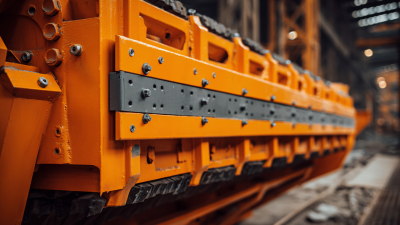
When installing mining stone jaw plates, attention to detail is crucial. Proper alignment and torque specifications significantly influence performance. Industry research suggests that misalignment can lead to more wear and tear on components, costing companies around 30% more in maintenance. Every millimeter counts when positioning these vital parts.
Regular maintenance checks are essential for maximizing the lifespan of jaw plates. Experts recommend inspecting them every 100 hours of operation. Over half of machinery failures stem from neglecting these simple assessments. Even minor issues, if left unresolved, can escalate. These routine checks involve looking for wear patterns and tightening loose bolts.
Training staff on proper handling techniques can drastically reduce the likelihood of damage during installation. A significant factor often overlooked is the environment where the equipment operates. Dust and heavy vibrations can influence the integrity of the jaw plates. It's not just about setting them up; continuous education on wear indicators can enhance long-term performance.
Cost-Effectiveness: Evaluating Your Investment in Jaw Plates
When considering jaw plates for your project, cost-effectiveness is crucial. Mining stone jaw plates are a smart investment. They often provide durability at a lower initial cost compared to other materials. This balance of cost and durability can result in savings over time.
Tips: Assess your project's scale. Larger operations may benefit more from high-quality jaw plates. Ensure that you evaluate the long-term operational costs, not just the purchase price.
Durability is essential, but it is not the only factor. Performance under stress matters too. Consider how frequently the jaw plates will be replaced. Frequent replacements can escalate overall project costs. Quality materials lead to less downtime and improved efficiency in operations.
Tips: Consult with experts in the field. They can provide insights tailored to your specific needs. Explore case studies that showcase the performance of different jaw plates. Use this information to guide your selection process.
Cost-Effectiveness of Mining Stone Jaw Plates
This chart displays the cost-effectiveness of various mining stone jaw plate materials. Analyzing the different costs associated with each material option can help stakeholders make informed decisions based on budget constraints and project requirements.