Why Choose Fixed Jaw Plate for Your Crushing Needs?
When it comes to crushing applications, the choice of equipment plays a critical role. The Fixed Jaw Plate is a key component in many crushing machines. Its design and material make it highly effective for various materials. Using a Fixed Jaw Plate ensures durability and consistent performance.
Manufacturers often recommend it for its strength and efficiency. However, the quality of the Fixed Jaw Plate can differ between suppliers. Selecting a reputable source is essential. Some companies may offer subpar products that can lead to frequent replacements. This risks downtime in critical operations, which is not acceptable.
Understanding all aspects of Fixed Jaw Plates is vital. Consider your specific crushing needs and production goals. Proper research can lead to better decisions. It is also important to remember that maintenance affects longevity. Sometimes, operators overlook this. As a result, they face costly repairs or replacements. By prioritizing a high-quality Fixed Jaw Plate and regular upkeep, you can enhance your crushing capabilities.
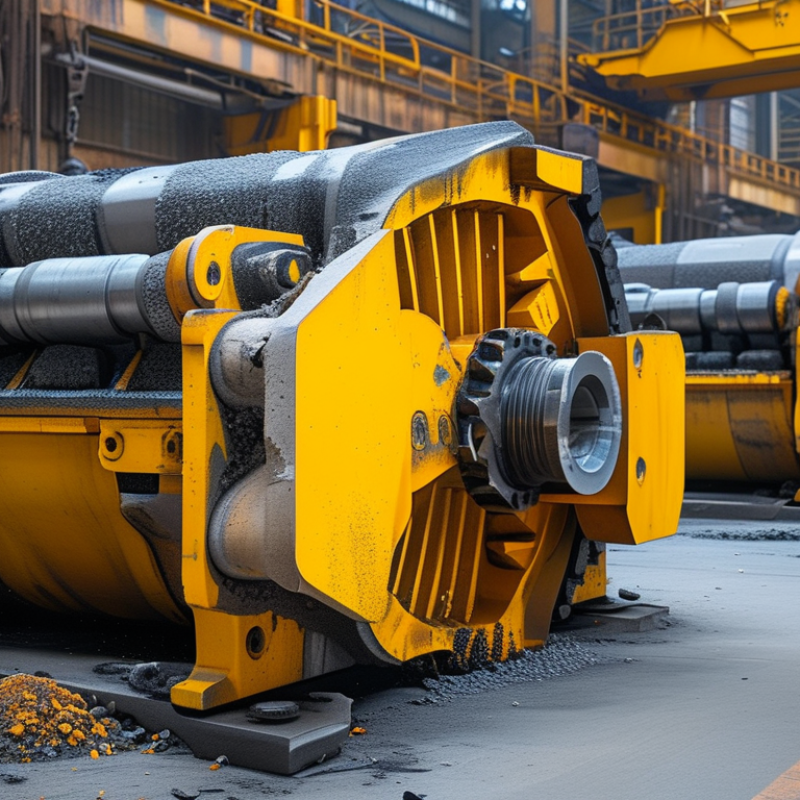
Benefits of Using Fixed Jaw Plates in Crushing Applications
Choosing a fixed jaw plate for your crushing needs can significantly optimize your operations. These plates are essential components in various crushing machines, providing durability and strength where it matters most. One key advantage of fixed jaw plates is their ability to withstand high levels of stress and impact associated with crushing hard materials, such as rocks and minerals. This durability translates into longer operational lifespans and reduced maintenance needs.
Cost-effectiveness is another benefit. The extended lifespan of fixed jaw plates means fewer replacements and lower downtime. In industries where time is money, this can be a game-changer. However, not all fixed jaw plates are created equal. Depending on the materials and construction, some may fall short in performance. It’s crucial to carefully consider specifications and material quality.
Reliability is paramount in crushing applications. Fixed jaw plates that are properly designed and constructed offer consistent performance. Still, companies should regularly assess their equipment's condition. Regular inspections can identify wear and tear before it leads to equipment failure. In these ways, fixed jaw plates enhance both efficiency and safety in crushing operations.
Why Choose Fixed Jaw Plate for Your Crushing Needs? - Benefits of Using Fixed Jaw Plates in Crushing Applications
| Benefit |
Description |
Material Used |
Applications |
| Durability |
Fixed jaw plates are designed to withstand high impact and heavy loads, resulting in longer service life. |
High Manganese Steel |
Mining, Aggregates |
| Efficiency |
They provide a consistent crushing force, improving the efficiency of the crushing process. |
Alloy Steel |
Construction, Recycling |
| Cost-Effectiveness |
Lower operational costs over time due to less frequent replacements and downtime. |
Wear-Resistant Materials |
Aggregates Crushing, Quarrying |
| Versatility |
Suitable for various types of materials, making them ideal for different crushing tasks. |
Custom Fabricated Steel |
Metal Recycling, Road Construction |
Comparison of Fixed and Movable Jaw Plates in Efficiency
When considering crushing equipment, the choice between fixed and movable jaw plates is crucial. Fixed jaw plates play a vital role in providing a stable base. They ensure consistent crushing performance. Their rigidity contributes to better wear resistance, prolonging operational life. In contrast, movable jaw plates experience more dynamic stress and wear, leading to frequent replacements.
Efficiency between these two types is noteworthy. Fixed jaw plates often deliver superior crushing force. They can handle larger materials effectively, reducing downtime. However, their immobility limits flexibility. Movable jaws adapt better to various sizes and shapes of materials. This adaptability can improve throughput in certain settings.
Despite their advantages, fixed jaw plates are not without challenges. Installation can be complex and requires precision. Misalignment may lead to reduced efficiency. Both types must be regularly maintained to ensure optimal performance. An ongoing evaluation of their condition can prevent unexpected failures and enhance productivity.
Impact of Material Composition on Fixed Jaw Plate Durability
Choosing a fixed jaw plate for crushing involves understanding material composition. The durability of a jaw plate heavily relies on the types of materials used. Harder materials typically withstand wear and tear better. However, the right balance is crucial. Using excessively hard materials can lead to brittleness, resulting in fractures.
When selecting a fixed jaw plate, consider the type of ore you process. Softer ores may require a different composition than harder ones. Regularly inspecting the wear patterns can reveal how well your jaw plate endures the operational conditions. Adjustments may be necessary based on these observations.
For enhanced performance, ensure proper maintenance. Replacing plates at the first signs of wear can prevent further damage. Investing time in understanding your equipment's needs can yield better productivity. Keep a log of wear patterns and performance metrics for continuous improvement. Remember, vigilance can prevent costly downtime.
Key Factors Influencing Fixed Jaw Plate Performance
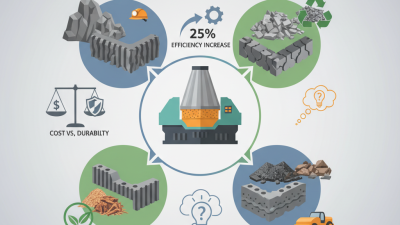
When selecting a fixed jaw plate, performance is crucial. The material composition significantly influences its longevity. High manganese steel is a common choice due to its excellent resistance to wear. Reports indicate that jaw plates made from this material can last up to 25% longer in abrasive environments. This durability translates to reduced downtime and lower operational costs.
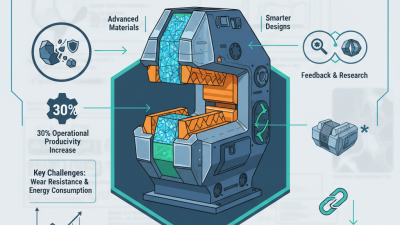
The design of the jaw plate also impacts its efficiency. A well-engineered profile ensures optimal material flow and prevents blockages. Studies show that a properly designed jaw plate can enhance crushing efficiency by up to 30%. Proper alignment during installation is essential. Misalignment can lead to uneven wear and rapid deterioration.
Consider the crushing application when choosing a fixed jaw plate. Different applications may require varying hardness levels or cast shapes. Regular inspections can prevent unexpected failures. Gauge wear regularly and replace plates before they exceed optimal wear limits. This foresight can save significant operational costs and maintain productivity. A proactive approach pays off in enhanced performance and efficiency.
Cost-Effectiveness of Fixed Jaw Plates in Long-Term Operations
Fixed jaw plates play a crucial role in the efficiency of crushing operations. Their ability to withstand wear and tear is significant, especially in long-term projects. Industry reports indicate that using fixed jaw plates can reduce replacement frequency by up to 30%, translating to lower operational costs over time. With durable materials and effective design, these components enhance overall productivity.
Cost-effectiveness is another reason for choosing fixed jaw plates. According to a report by a leading mining and materials recovery association, businesses notice a 15% decrease in total operational costs when optimizing machinery with quality fixed jaw plates. Investing in high-quality plates can lead to savings in maintenance and downtime. Operators find that smoother workflows boost output, making the initial investment justifiable.
If you're considering options, remember to assess material quality and compatibility with your equipment. Regular maintenance checks are essential. Even such durable parts can face unexpected failures, impacting operations. Keeping an eye on wear patterns can help preempt costly breakdowns. By doing this, you can ensure that your crushing needs are met efficiently and economically.