Inquiry
Form loading...

How to Choose a Top China Cone Crusher Bowl Liner Supplier?

Choosing a top China Cone Crusher Bowl Liner supplier requires more than comparing unit prices. The right partner should understand your crusher model, feed size, rock abrasiveness, moisture, and operating hours. A liner that performs well in granite may fail quickly in wet iron ore. Small details matter, including mantle fit, bowl seating, casting consistency, and delivery packaging.

Dr. Erik Hulthén, a respected comminution researcher, has expressed a practical principle: “The best liner is not the hardest liner; it is the liner matched to the crushing process.” This idea should guide every supplier evaluation. Ask for documented material specifications, heat-treatment records, dimensional inspection reports, and wear-test results. Reliable manufacturers should also explain their manganese or alloy selection without hiding behind technical language.

Experience is easy to claim.

Evidence is harder.

Visit the supplier’s foundry when possible. Look for controlled pouring, clean work areas, marked heat numbers, and clear quality records. Request references from mines or aggregate plants using comparable equipment. Confirm whether the supplier can support trial orders, emergency replacement, and chamber optimization. A professional supplier should discuss expected service life, not promise impossible results.

We should also admit an uncomfortable point: even a well-made Cone Crusher Bowl Liner can underperform when feeding conditions change. Supplier quality cannot correct poor installation or an unsuitable crushing chamber. Therefore, choose a company that reviews operating data after delivery. The strongest relationship is not built on the cheapest quotation. It is built through measurable wear, honest communication, and steady technical improvement.
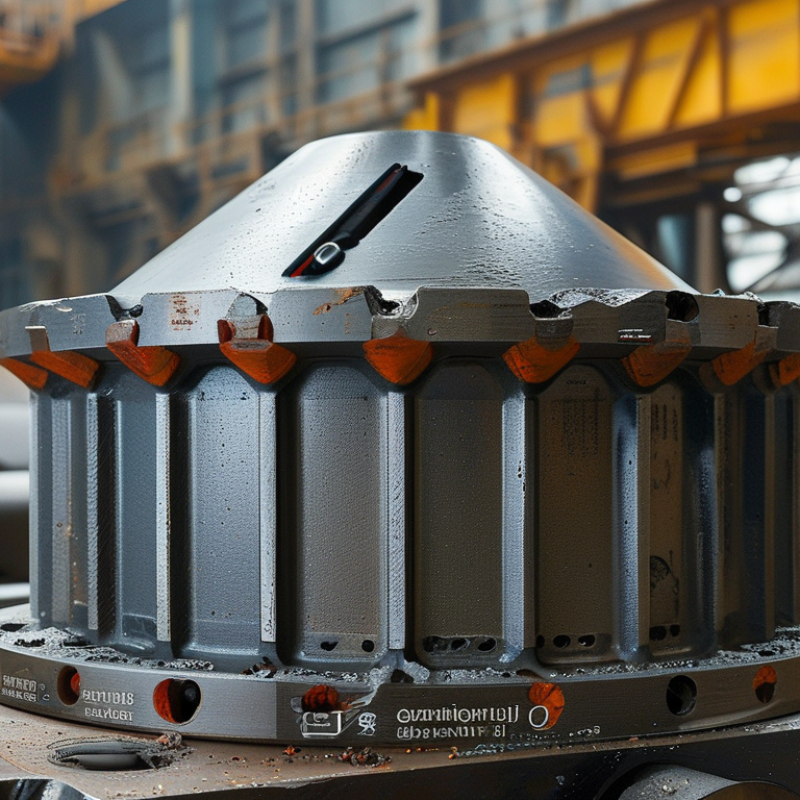
How to Choose a Top China Cone Crusher Bowl Liner Supplier?

What Is a Cone Crusher Bowl Liner?

A cone crusher bowl liner is the fixed, replaceable wear surface inside the crusher’s upper bowl. It faces the mantle and forms one side of the crushing chamber. As the mantle moves, rock is compressed between these two surfaces. The liner protects the bowl from constant impact, pressure, and abrasive contact. Most liners use manganese steel or another wear-resistant alloy. Their surface gradually changes as crushing continues.

The liner profile controls the chamber shape, feed opening, and product size. A poorly matched profile can reduce capacity and increase power use. In practice, I inspect the feed material, hardness, moisture, and required output before selecting a supplier. I also compare drawings, cavity dimensions, and the crusher’s closed-side setting. Small fitting errors matter. Gaps, uneven contact, or rough casting surfaces may cause premature damage.

A reliable supplier should provide material certificates, heat-treatment records, and dimensional inspection reports. Ask how the supplier controls chemistry, casting quality, and final machining. Photos alone are not enough. Trial records from similar applications are more useful. Experienced maintenance teams also check liner weight and wear patterns after installation. I have seen a liner last well in one quarry but fail quickly in another. Operating conditions were different, and that mistake was easy to overlook. A practical supplier discusses those limits honestly, rather than promising an unrealistic service life.
Which Material and Design Features Matter Most?

Choosing a China cone crusher bowl liner supplier requires more than comparing quotations. Material selection affects wear life, product stability, and operating cost. High-manganese steel remains common for abrasive stone because it hardens under impact. However, it may perform poorly when feed is too fine or crushing pressure is inconsistent. For harder, highly abrasive feed, alloyed manganese or composite options may offer better resistance. Ask for chemical composition, hardness ranges, and heat-treatment records. Do not accept vague claims such as “premium steel.”

The liner profile must match the crusher chamber, feed size, and closed-side setting. A well-designed bowl liner keeps the crushing cavity loaded evenly. This reduces localized wear and protects the mantle. Check tooth geometry, seating accuracy, lifting points, and backing-contact surfaces. Uneven seating can create gaps, vibration, and premature cracking. Ask for dimensional inspection reports, sample measurements, and production photos. Field experience matters here. A supplier that explains failure patterns is more useful than one listing specifications.

Reliable suppliers provide traceable batches, clear drawings, and practical installation guidance. Request test data from similar rock conditions, not laboratory figures alone. Confirm whether the supplier can adjust the profile after monitored wear data. This is often overlooked. Price still matters, but a cheaper liner may require more shutdowns and labor. I would compare cost per crushed ton, while admitting that real site data is sometimes incomplete. Start with a controlled trial and record feed gradation, operating hours, and wear measurements. Small details reveal whether the design truly fits your operation.

How to Evaluate a China-Based Bowl Liner Supplier

When evaluating a China-based bowl liner supplier, inspect more than price and polished product photos. Ask for the liner’s steel grade, hardness range, heat-treatment method, and casting records. A reliable supplier should explain how each batch is identified. Request material certificates and a traceability sample. The heat number should connect the certificate, production date, and inspection report. Vague answers deserve caution.

Ask how the supplier matches the liner to your cone crusher model, feed size, chamber profile, and operating conditions. Experienced engineers should discuss abrasive rock, moisture, closed-side setting, and expected wear pattern. Request dimensional drawings before ordering. Check bolt holes, seating surfaces, and working thickness carefully. A trial liner can reveal fit, surface cracking, and actual service life. However, one test is not enough evidence. Record hours, throughput, power draw, and liner condition during the trial.

Evaluate the factory, not only the sales desk. A video audit can show melting, molding, heat treatment, machining, inspection, and packing areas. Ask who performs hardness and dimensional checks. Independent inspection may help with a first shipment. Confirm packaging details, spare-part labeling, delivery terms, and response time for defects. Communication matters when a liner fails unexpectedly. I would not accept the cheapest offer automatically. Low pricing may hide inconsistent alloy control or weak after-sales support. Even careful buyers can miss small dimensional differences, so keep inspection records and review them with the supplier.

What Quality and Compatibility Checks Should Buyers Perform?

How to Choose a Top China Cone Crusher Bowl Liner Supplier?

A reliable supplier should prove quality with test records, not polished photographs. Ask for chemical composition, hardness, tensile results, and microstructure reports for each production batch. ASTM A128/A128M provides a useful reference for austenitic manganese steel castings. However, higher hardness alone does not guarantee longer service. The liner must work with your feed size, rock abrasiveness, crusher model, and operating CSS.

Check compatibility through controlled measurements. Request certified drawings showing bowl liner dimensions, seating surfaces, bolt holes, and locking details. Compare them with your worn part and the crusher manual. A gap of only a few millimeters can create uneven pressure, movement, or premature cracking. Request dimensional inspection records before shipment. Fit matters greatly.

Ask for traceability from furnace charge to final inspection. The supplier should identify heat numbers, casting dates, treatment conditions, and inspection personnel. The 2024 USGS Mineral Commodity Summaries estimates nearly 1.9 billion metric tons of crushed stone were produced in the United States in 2023. That scale shows why consistent wear performance matters. Ask for comparable service data, including operating hours, feed characteristics, and replacement reasons. Be careful with vague claims. A reported 2,000-hour life may mean little without ore details and CSS settings. I would also inspect a sample casting personally when possible. Laboratory reports can miss poor pouring practice, hidden shrinkage, or rough seating surfaces. Supplier audits are useful, but they are not perfect.

How to Choose a Top China Cone Crusher Bowl Liner Supplier? - What Quality and Compatibility Checks Should Buyers Perform?

Evaluation Dimension What Buyers Should Check Relevant Technical Data or Standard Recommended Evidence Suggested Weight Buyer Acceptance Guidance
Crusher Compatibility Confirm the bowl liner is designed for the exact cone crusher model, chamber type, feed size, and operating application. Equipment model, chamber profile, feed opening, closed-side setting, maximum feed size, and liner part reference. Approved drawing, dimensional inspection report, and written compatibility confirmation. 20% All critical dimensions and mounting interfaces must match the buyer-approved drawing before production.
Material Grade Verify whether the liner material is suitable for the ore hardness, abrasiveness, impact level, and crushing stage. Common options include austenitic manganese steel, such as grades covered by ASTM A128; alloy selection must follow the application. Material certificate, heat number, chemical composition report, and stated material standard. 15% The delivered chemical composition and declared grade must comply with the approved purchase specification.
Chemical Composition Check the main alloying elements and confirm that the results are from the actual production heat. Manganese, carbon, silicon, chromium, molybdenum, phosphorus, and sulfur levels, depending on the selected alloy. Heat-specific spectrometer report with traceable sample identification. 10% Results should fall within the agreed material standard and purchase specification; avoid relying only on generic certificates.
Heat Treatment Determine whether the liner received appropriate solution treatment and rapid cooling for the selected manganese alloy. Heat-treatment cycle, furnace record, quenching method, and hardness distribution after treatment. Batch heat-treatment record and inspection results linked to the casting heat. 10% The supplier should demonstrate a repeatable, documented process rather than provide only a final hardness value.
Hardness and Toughness Check whether the material balances wear resistance with resistance to cracking or breakage. Brinell hardness, tensile or impact performance where specified, and absence of brittle heat-treatment conditions. Hardness map, mechanical test report, and test-piece identification. 10% Use the hardness range and toughness requirements stated for the selected grade; do not compare hardness alone.
Casting Integrity Inspect for shrinkage, cracks, inclusions, cold shuts, excessive porosity, and other defects that could reduce service life. Visual inspection plus suitable non-destructive testing for critical sections and high-risk areas. Inspection plan, repair record, dye penetrant or ultrasonic report where required, and photographs before shipment. 10% No unacceptable cracks or structural defects should be present in load-bearing, mounting, or high-wear areas.
Dimensional Accuracy Measure overall profile, thickness, bolt holes, seating surfaces, clearances, and weight. Buyer-approved drawing, dimensional tolerances, machining requirements, and allowable weight variation. Final inspection report using calibrated measuring equipment. 10% Critical dimensions must meet the approved tolerance; liners should install without forced fitting or unsafe gaps.
Wear Profile and Service Life Evaluate wear distribution, usable thickness, expected tonnage, and performance under comparable operating conditions. Historical wear rate, tonnes processed, operating hours, liner change criteria, and feed material characteristics. Anonymized field records, wear measurements, operating logs, and customer-approved trial results. 10% Compare performance using tonnes per liner and cost per tonne, not service hours alone.
Quality Management Review process control for pattern making, melting, molding, heat treatment, machining, and final inspection. Documented quality procedures, calibration control, nonconformance handling, and batch traceability. Quality manual, audit checklist, calibration certificates, corrective-action records, and traceability samples. 5% Every liner should be traceable to its material heat, production batch, inspection results, and shipment documents.
Packaging and Corrosion Protection Check whether the packaging protects machined surfaces, mounting areas, and casting edges during inland and international transport. Export-worthy blocking, moisture protection, lifting points, package identification, and gross-weight information. Packing photographs, packing list, lifting instructions, and pre-shipment inspection record. 5% Packaging must prevent deformation, impact damage, corrosion, and confusion between liner positions.
Commercial and Technical Support Assess drawing support, response time, spare-parts planning, warranty terms, and replacement availability. Quotation validity, lead time, minimum order quantity, warranty exclusions, technical response time, and after-sales process. Signed quotation, technical questionnaire, warranty document, production schedule, and escalation procedure. 5% Select the supplier offering clear technical accountability, realistic lead times, and measurable service commitments.
Total Suggested Evaluation Weight 100% Require all critical compatibility and safety checks to pass.
Important purchasing note: Material chemistry, hardness, dimensional tolerances, and service-life expectations should be finalized against the buyer-approved drawing, crusher operating conditions, and the applicable material standard. Performance comparisons are meaningful only when feed properties, chamber configuration, closed-side setting, and operating practices are comparable.

How to Compare Prices, Service, and Delivery Terms

How to Choose a Top China Cone Crusher Bowl Liner Supplier?

How to Compare Prices, Service, and Delivery Terms

Price comparison should begin with identical specifications. Ask each supplier to quote the same bowl liner material, dimensions, weight, and compatible crusher model. A low unit price can hide machining fees, export packing, or expensive inland transport. Check the landed cost instead. Request a written breakdown with currency, payment stages, taxes, and validity dates. A clear quote is easier to audit.

Service quality often appears before the purchase. Ask how quickly engineers answer technical questions and whether they can review wear photos. An experienced supplier should explain expected service life, installation checks, and suitable material grades. Request drawings, inspection records, and a sample measurement report. I once chose a cheaper offer without checking replacement guidance. The liner fit correctly, but the maintenance team lost time during installation. That decision was not ideal.

Delivery terms need equal attention. Confirm production days, port of loading, shipping method, packaging details, and responsibility for damaged goods. Ask whether the supplier provides pre-shipment photographs, dimensional inspection, and tracking documents. A practical agreement should define what happens when production slips. Do not accept vague promises. Compare the delivery schedule with your planned shutdown, not just the advertised dispatch date. A supplier may offer faster shipping, but weak packing can still cause delays, extra handling, and unexpected repair costs.