Best Mining Stone Jaw Plate for Optimal Efficiency?
In the mining industry, the efficiency of operations often hinges on the quality of equipment. The "Mining Stone Jaw Plate" plays a crucial role in this context. Expert John Smith, a renowned mining engineer, emphasizes, "The right jaw plate can significantly reduce wear and enhance productivity." His insight highlights the importance of material selection and design.
Selecting the optimal Mining Stone Jaw Plate involves understanding specific conditions. Each mining site presents unique challenges, from the type of stone being processed to the crushing techniques employed. This variability necessitates a careful evaluation of jaw plate materials. For instance, manganese steel options provide durability, yet may lack flexibility.
Furthermore, operators must reflect on maintenance practices. Regular inspections can prevent unexpected failures. However, some companies overlook this crucial aspect, leading to operational delays. Striking a balance between efficiency and reliability is essential. The right Mining Stone Jaw Plate can make a difference, yet constant assessment and adaptation are key for ongoing success.
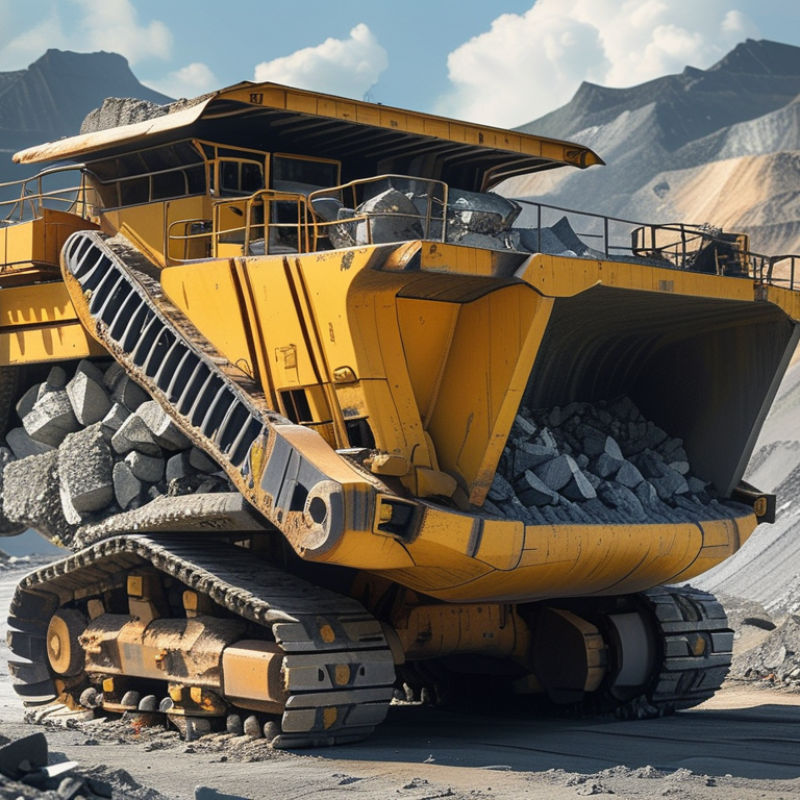
Introduction to Mining Stone Jaw Plates
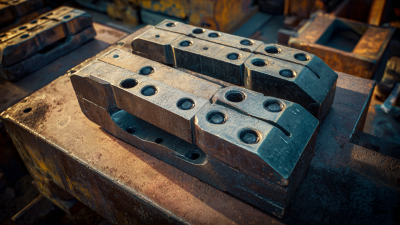
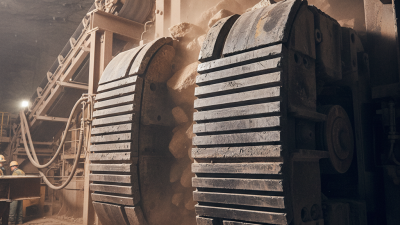
Mining stone jaw plates are crucial components in crushing equipment. They are designed to endure the harsh conditions of mining operations. Often, they face immense pressure and wear from the materials they process. This unique durability allows them to maximize productivity while minimizing downtime. Choosing the right jaw plate can significantly impact the efficiency of crushing machines.
In the mining industry, efficiency is key. A well-designed jaw plate ensures optimal material flow and reduces the risk of jamming. However, wear and tear can lead to inefficiencies. Regular monitoring and timely replacement of jaw plates are necessary. It can be easy to overlook these maintenance routines due to operational pressures. Still, ensuring that jaw plates are in good condition can prevent costly interruptions.
The shape and material of jaw plates can significantly influence their performance. Factors like the hardness of the rock and the feed size must be considered. Sometimes, companies settle for standard options, neglecting tailor-made solutions that could offer better efficiency. Investing in properly fitted jaw plates can lead to substantial improvements in output and resource management. These considerations make selecting high-quality jaw plates essential for any mining operation aiming for long-term success.
Key Features of Optimal Efficiency in Jaw Plates
When selecting a mining stone jaw plate, optimal efficiency is crucial. A key feature to consider is the material quality. High manganese steel is often favored for its excellent wear resistance. This allows the jaw plate to withstand heavy impacts and abrasion. The thickness of the plate also significantly impacts its durability and performance. Thicker plates may provide better resistance but can also increase weight.
Another important aspect is the design of the jaw plate. A well-designed plate will enhance the crushing process. Look for features that provide a better grip on the material. This can lead to more effective crushing and less downtime. Attention to detail in the surface finish can also improve efficiency. A smoother surface reduces friction and wear.
However, not all designs work for every application. Some users report excessive wear, leading to increased maintenance costs. This reflects the need for a better understanding of specific operational requirements. It’s vital to assess different configurations based on your mining conditions. Consider these factors carefully to achieve optimal efficiency and longevity in your jaw plates.
Materials Used in Manufacturing Mining Jaw Plates
The effectiveness of mining jaw plates heavily depends on the materials used in their manufacturing. High-quality steel, particularly manganese steel, is preferred for its wear resistance and durability. Reports indicate that manganese content above 12% can significantly boost hardness. This enhances the jaw plate's lifespan, thereby reducing replacement frequency and operational downtime.
Another common material is alloy steel. Its unique properties allow for better ductility and toughness. However, alloy steel may not offer the wear resistance that manganese steel provides in heavy-duty applications. Evaluating the operating conditions is crucial. Some environments may require a tougher material even if it lacks in wear resistance.
Tips: Consider conducting a wear test to determine the best material for your specific application. Regularly inspect jaw plates for signs of wear to avoid unexpected failures. Optimal material selection can lead to better operating efficiency, translating into lower costs over time. Remember that quality matters, even if it comes at a higher initial investment. Effective materials can offset expenses in the long run through increased performance and reduced maintenance needs.
Best Mining Stone Jaw Plate for Optimal Efficiency
| Material Type |
Hardness (HRc) |
Tensile Strength (MPa) |
Impact Toughness (J) |
Applications |
| High Manganese Steel |
40-50 |
900-1100 |
40-80 |
Primary crushing of hard stones |
| Alloy Steel |
30-40 |
700-900 |
30-60 |
Secondary crushing and recycling |
| Cast Iron |
20-30 |
500-700 |
20-40 |
Non-abrasive material processing |
| Micro-Alloyed Steel |
35-45 |
800-1000 |
50-70 |
Heavy-duty mining applications |
Comparison of Different Jaw Plate Designs and Their Performance
When assessing jaw plate designs in mining, efficiency is key. Different materials offer varying wear resistance. Austenitic manganese steel is common for its work-hardening properties. This type of plate can improve performance under high-impact conditions. However, it may be less effective in softer materials.
Another design includes interchangeable plates, allowing for quick replacements. This can be beneficial when operations shift between types of stone. Easy replacements enhance uptime but can lead to higher costs associated with maintaining multiple plates.
**Tip:** Regular inspections can reveal the wear patterns on your jaw plates. Understanding how different materials perform can guide future choices. Don't overlook minor cracks; they can grow and compromise efficiency.
Specialized designs, like corrugated jaws, can improve grip on the stone. This feature enhances crushing power. Nevertheless, these plates may wear faster in some environments, posing potential challenges. Balancing durability and efficiency requires careful consideration of material choices and mining conditions.
Maintenance Tips for Enhancing Jaw Plate Longevity and Efficiency
Maintaining jaw plates in mining operations is crucial for efficiency. Regular inspection should be part of your routine. Look for signs of wear, cracks, or deformation. These indicators can decrease performance and increase operational costs. Small cracks may seem insignificant, but they can lead to larger failures. Addressing these issues early prevents more extensive repairs.
Lubrication is another vital aspect. Use high-quality lubricants to reduce friction between components. Proper lubrication enhances the lifespan of the jaw plates. Additionally, monitor the operating conditions closely. Overloading can lead to premature wear. Adjusting the feed size can also minimize stress on the plates. Even slight adjustments may yield significant improvements in efficiency.
Consider employing a preventative maintenance schedule. It’s a proactive way to ensure that all components function optimally. Record any repairs and replacements. This log can help identify patterns in wear and performance. Such data will provide insights for future projects. Regular maintenance might seem tedious but is essential for achieving long-term success in mining operations.