Best Stone Crusher Fixed Jaw Options for Efficient Crushing?
The selection of a Stone Crusher Fixed Jaw is crucial for efficient crushing operations. According to recent industry reports, a significant percentage of downtime in mining and construction comes from inadequate equipment choices. In fact, poorly designed jaws can reduce production efficiency by up to 30%. This highlights the importance of choosing the right fixed jaw option for specific crushing tasks.
Performance and reliability are at the forefront of any stone crushing business. A well-structured fixed jaw enhances overall productivity and minimizes wear and tear on other components. However, not all alternatives offer the same durability. Studies indicate that material selection and engineering design can significantly influence lifespan and performance.
Investing in advanced fixed jaw options can be a game-changer, but it requires careful analysis. Let's explore available choices and their impact on crushing efficiency. A focus on innovation may reveal areas for improvement. It's evident that understanding the nuances of Stone Crusher Fixed Jaw options can lead to better operational outcomes.
Understanding the Role of Fixed Jaw in Stone Crushers
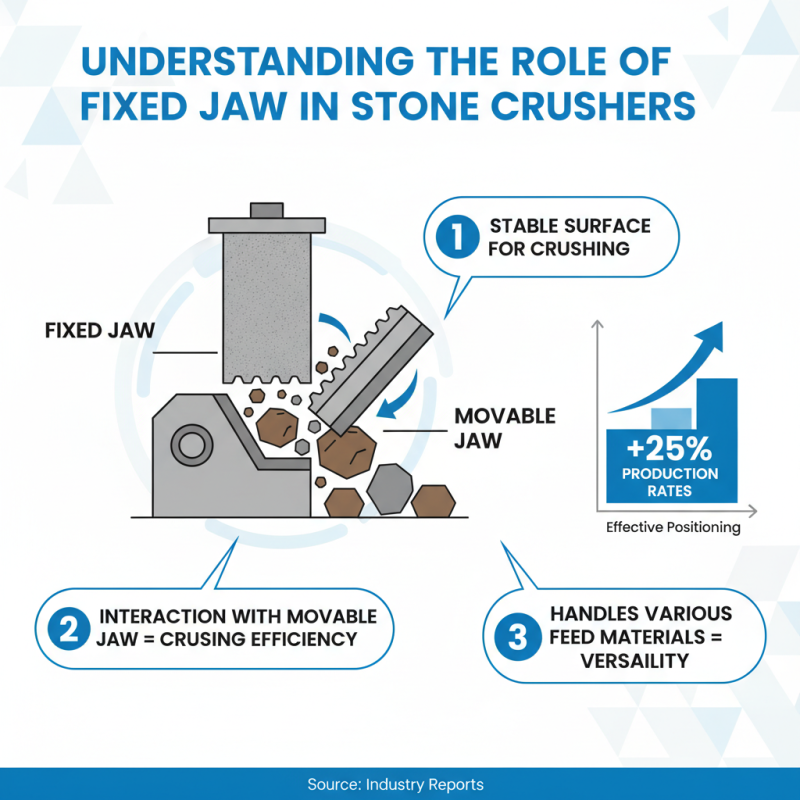
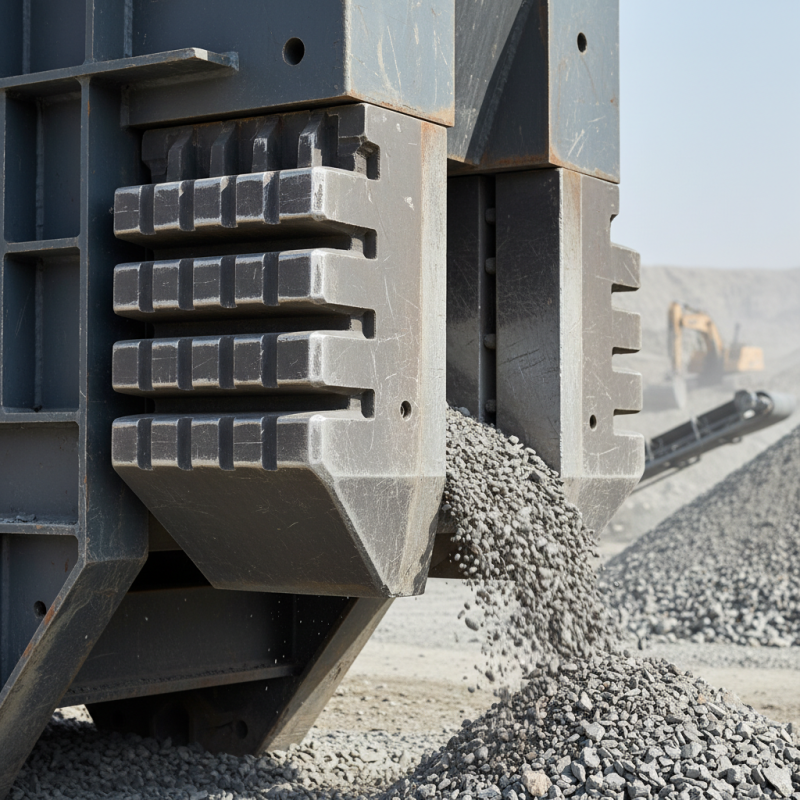
The fixed jaw plays a crucial role in stone crushers. It serves as a stable surface against which the movable jaw crushes materials. The interaction between these two components determines the efficiency of the crushing process. According to industry reports, effective jaw positioning can improve production rates by up to 25%. A well-designed fixed jaw can handle various types of feed materials, offering versatility in operations.
Wear resistance is a vital aspect of fixed jaw design. High-quality materials, such as manganese steel, ensure durability. Studies indicate that using premium materials can extend the fixed jaw's lifespan, reducing maintenance costs. However, the initial investment in high-grade jaws can be significant, leading to debates on cost-benefit ratios.
Moreover, the angle of the fixed jaw affects crushing efficiency. A steeper angle can increase the size reduction ratio, but may also lead to increased wear. Finding the right balance between efficiency and durability often requires ongoing adjustments and assessments. Ultimately, achieving optimal performance from a fixed jaw is an ongoing challenge that demands deep knowledge of material properties and operational conditions.
Characteristics of High-Quality Fixed Jaw Plates
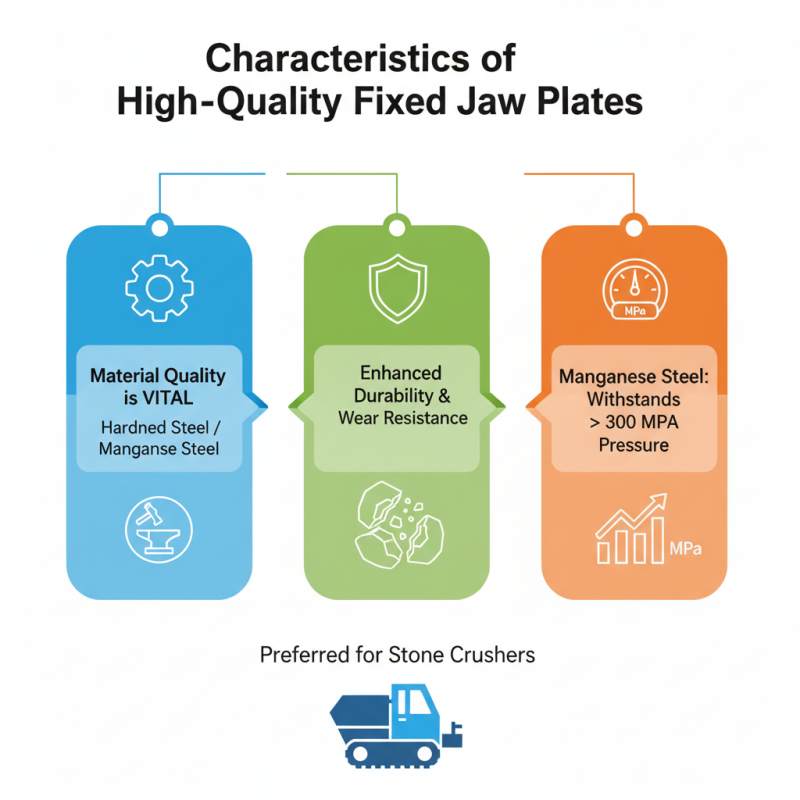
When selecting fixed jaw plates for stone crushers, the material quality is vital. High-quality fixed jaws are typically made from hardened steel or manganese steel. These materials offer enhanced durability and resistance to wear. According to industry reports, manganese steel can withstand pressures exceeding 300 MPa, making it a preferred choice for many applications.
Another important characteristic is the design. A well-designed fixed jaw plate increases the efficiency of crushing operations. A study highlighted that an optimized wedge design could improve jaw crushing capacity by nearly 20%. However, not all fixed jaws achieve this. Some are prone to chipping or deformities. Regular inspections and replacements are essential for maintaining their performance.
Fit is another critical factor. The fixed jaw must align perfectly with the movable jaw. Misalignment can lead to uneven wear and reduced efficiency. In practice, this misalignment can decrease throughput by up to 15%. Thus, thorough calibration during installation is crucial to avoid costly downtime.
Material Selection for Durable Fixed Jaw Components
When choosing materials for fixed jaw components in stone crushers,
durability is key. High-quality materials can extend the lifespan of these components significantly.
According to industry reports, using manganese steel can provide
enhanced wear resistance. Manganese steel grades can increase hardness with impact, making them suitable
for high-stress applications. In fact, studies suggest that components made from this material can last
up to 30% longer compared to standard steel.
Another material to consider is alloy steel. It offers good toughness
and resistance to deformation under heavy loads. This can be crucial during high-capacity operations.
A recent analysis highlighted that using alloy steel can reduce failure rates by 15%
in demanding environments. Choosing the right hardness level is also essential. If the fixed jaw is too hard,
it may become brittle. Conversely, if it’s too soft, it will wear out quickly.
Tips: Regularly inspect fixed jaw components for signs of wear. Implementing a preventive
maintenance schedule can save costs long-term. Ensure your material selection matches the specific
application requirements. This aids in achieving optimal performance and extending lifespan.
Comparison of Different Fixed Jaw Designs and Their Efficiency
When selecting a fixed jaw for stone crushers, efficiency is vital. Different designs can significantly impact performance. Recent industry reports indicate that proper jaw design contributes to material throughput and overall crushing effectiveness. For instance, a well-engineered fixed jaw can enhance throughput by up to 25%, making your operations more productive.
Different materials also affect the durability and efficiency of fixed jaws. High-carbon steel jaws tend to have greater longevity but may be more expensive. Conversely, alloyed materials can provide a balance between cost-effectiveness and durability. Research shows that using the right material can increase lifespan by 30%, reducing maintenance costs and downtime.
Moreover, angle and shape are crucial in fixed jaw design. An optimal crushing angle can lead to better material reduction. Some designs, while innovative, may not yield significantly better results. Experimentation and continuous evaluation are essential for enhancing efficiency. Understanding these variables can ensure better decision-making in selecting the right fixed jaw options for stone crushing applications.
Best Stone Crusher Fixed Jaw Options for Efficient Crushing
Maintenance Tips for Extended Lifespan of Fixed Jaws
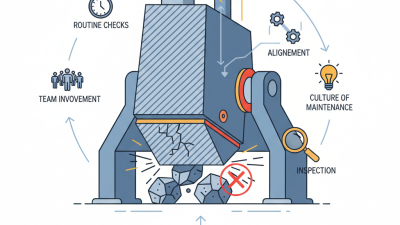
Maintaining fixed jaws in stone crushers is crucial for optimal performance. Proper care ensures prolonged lifespan and efficiency. A regular inspection schedule is key. Check for wear and tear regularly. This simple step prevents major breakdowns.
Tips for maintenance include cleaning the jaws. Remove debris and buildup after daily operations. Use a soft brush or the air compressor to clear dust. Lubrication is another important aspect. Apply suitable grease to prevent friction. This reduces the chance of jaw fatigue and cracking.
Consider monitoring the jaw alignment. Misalignment can lead to uneven wear. To enhance performance, adjust the settings according to material type. Tracking these small details can help avoid significant issues. Eventually, this attention pays off. Proper maintenance fosters reliability, minimizing downtime significantly.