Top 10 Best Cone Crusher Concaves for Optimal Crushing Performance?
In the world of mining and aggregate production, the importance of selecting the right "Cone Crusher Concave" cannot be overstated. According to industry expert Dr. Emily Carter, "The efficiency of a cone crusher largely depends on the quality of its concave. It directly affects crushing performance." Her insights highlight the critical role concaves play in the overall functionality of cone crushers.
Choosing the best cone crusher concaves is essential for optimal crushing. The right design and material can significantly boost productivity and reduce wear and tear. However, not all concaves are created equal. Various factors, including the type of material being crushed and the crusher's specifications, will influence the choice. This can lead to confusion and misjudgment.
With numerous products available, making an informed decision can be challenging. Some manufacturers may promise performance without delivering results, leading to operational inefficiencies. A sound understanding of the different options can help avoid costly mistakes. After all, the right "Cone Crusher Concave" not only enhances performance but also contributes to the longevity of the entire system.
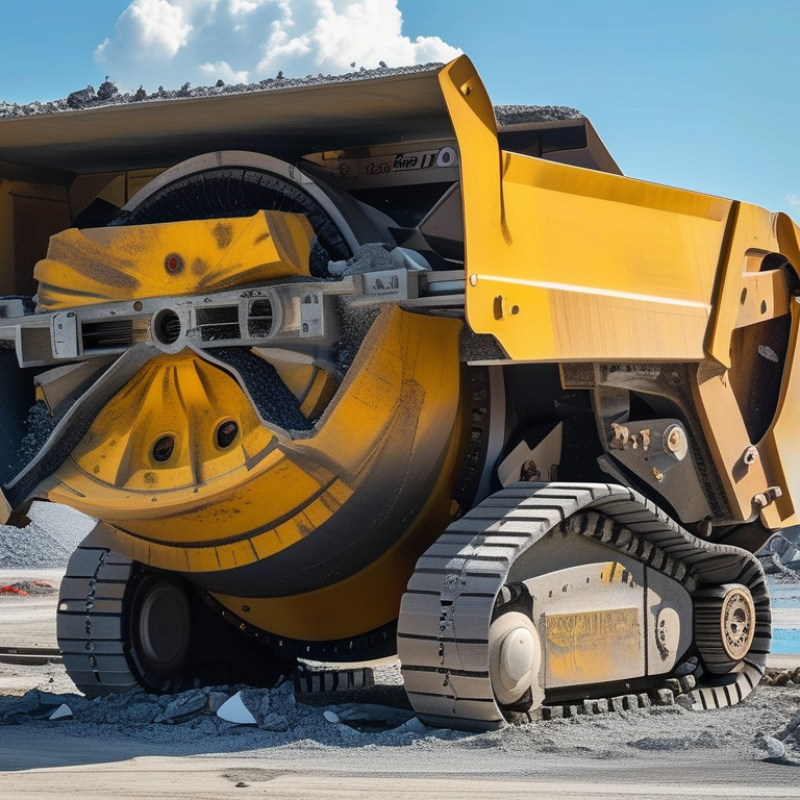
The Importance of Cone Crusher Concaves in Crushing Performance
Cone crusher concaves play a crucial role in optimizing crushing performance. They are vital in achieving precise material reduction and creating uniform product sizes. In fact, studies indicate that the design and material of concaves can impact overall efficiency by as much as 30%. Their shape directly influences the flow of materials during the crushing process. An ideal concave will enhance the crushing chamber's efficiency, which is essential for maximizing output.
The wear and tear on concaves is an ongoing challenge for many operations. Regular monitoring can improve their lifespan. Unexpected damage can lead to increased costs and downtime. Research shows that implementing better wear-resistant materials can reduce replacement frequency by up to 25%. However, such solutions require a careful evaluation of trade-offs between initial costs and long-term savings.
Continuous innovation in cone crusher technology also highlights the importance of effective concave design. Engineers are exploring new geometries and materials to enhance performance. However, many designs still fall short of delivering consistent results across various operations. The need for more reliable data and testing is clear, as optimal performance cannot be achieved without understanding the specific demands of each crushing environment.
Common Materials Used in Cone Crusher Concave Manufacturing
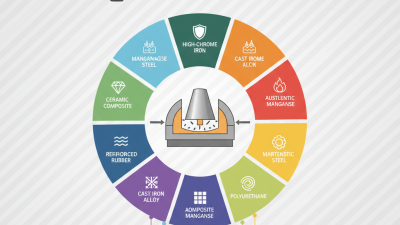
Cone crusher concaves are vital for the crushing process. The choice of material directly impacts performance and durability. Commonly used materials include manganese steel, alloy steel, and ceramic compounds. Manganese steel is known for its hardening properties. It withstands high impact forces and abrasion. Alloy steel offers enhanced toughness but may lack the same wear resistance.
Ceramic composites are increasingly popular. They provide superior wear resistance. However, they may be more brittle and prone to chipping. Users must balance hardness and toughness. Each material has its pros and cons. For instance, while manganese is highly effective, it can wear out faster in certain environments.
Selecting the right concave material requires careful consideration. The operational conditions and types of material being crushed play critical roles. An improper choice can lead to increased downtime and maintenance costs. It's essential to reflect on past experiences and assess which materials delivered the best results. By doing so, operators can optimize their crushing performance significantly.
Top 10 Best Cone Crusher Concaves for Optimal Crushing Performance
| Material Type |
Hardness (HRC) |
Compression Strength (MPa) |
Typical Applications |
Wear Resistance |
| Mn13 |
40-45 |
850-950 |
Standard crushing |
Good |
| Mn18 |
46-50 |
950-1050 |
High impact wear |
Very Good |
| Mn22 |
48-52 |
1000-1100 |
Heavy-duty applications |
Excellent |
| Chromium Alloy |
55-60 |
1200-1300 |
High compressive strength |
Very High |
| Manganese Steel |
40-55 |
900-1000 |
General use |
Good |
| High Manganese |
50-60 |
1100-1200 |
Rock crushing |
Fantastic |
| Alloy Steel |
40-50 |
800-900 |
Crushing road base |
Good |
| Special Metalloids |
55-65 |
1300-1400 |
Advanced crushing |
Very High |
| Ceramic Composite |
70-80 |
1500-1600 |
High technology applications |
Excellent |
| Vanadium Alloy |
60-70 |
1400-1500 |
Extreme conditions |
Superior |
Key Design Features of High-Performance Cone Crusher Concaves
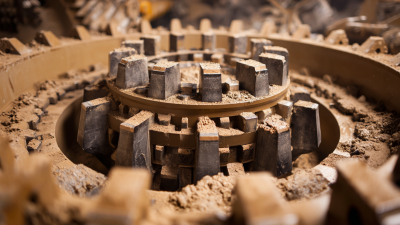
Cone crusher concaves play a crucial role in optimizing the crushing process. Their design features are essential for enhancing efficiency and longevity. High-performance concaves must support precise fitment, with tight tolerances. This ensures that the material is crushed uniformly, minimizing wear patterns and extending the life of both concaves and mantles.
Material selection is another key aspect. Many reports indicate that steel alloys with high manganese content exhibit superior wear resistance. For instance, a manganese level of up to 22% has been shown to improve durability. The profile of the concave also greatly affects how material flows through the machine. A well-designed profile significantly reduces the risk of blockages.
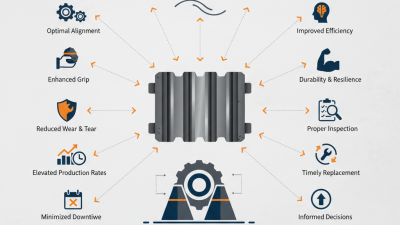
Efficiency can often diminish because of poor design or inadequate maintenance. A mismatch between the concave shape and the processed material can lead to uneven wear. Regular evaluations and adjustments can mitigate these issues, helping to maintain optimal performance. Reports have highlighted that proper maintenance can yield a 20% increase in lifespan for concave components. This demonstrates the importance of both design and upkeep in achieving the best crushing results.
Comparative Analysis of Top Brands in Cone Crusher Concave Production
When evaluating cone crusher concaves, it is essential to consider various factors that affect crushing performance. The material used for concaves plays a crucial role in wear resistance. Different manufacturers utilize various alloys and heat treatments, impacting their durability and efficiency. Users often find it hard to choose the right product because of the overwhelming options available in the market.
Testing these concaves in real-world scenarios can reveal significant differences in performance. Some concaves may excel in specific conditions but fail in others. For example, softer materials might wear out quickly, while harder versions could provide longer lifespans. Yet, this can lead to challenges like a decreased output quality. It is important to analyze these performance metrics, such as throughput and product shape, to make informed choices.
Moreover, customers occasionally overlook the importance of fit and compatibility. Poorly fitting concaves can cause misalignment, leading to operational inefficiency. This not only impacts productivity but also increases maintenance costs. Keeping an eye on both performance and compatibility ensures smoother operations over time. Users should continuously assess their performance metrics and adjust their choices based on changing conditions and wear patterns.
Top 10 Best Cone Crusher Concaves for Optimal Crushing Performance
Maintenance Tips for Prolonging the Life of Cone Crusher Concaves
Maintaining cone crusher concaves is essential for optimal crushing performance. Regular inspections help identify wear and tear early.
Cracks or uneven surfaces can lead to inefficiencies. Scheduled checks ensure that you catch issues before they escalate. Proper maintenance extends the lifespan of concaves.
Cleaning the concaves regularly is another crucial step. Dust and debris can accumulate, affecting the crushing process. A thorough cleaning routine should be in place.
Use suitable tools that won’t damage the concaves. Employ appropriate lubricant to minimize friction. But don’t over-lubricate; this can attract more dirt.
Consider adjusting the operational parameters as well. Running the crusher at appropriate speeds can prevent premature wear.
Monitor the feed size to match the design specifications. Sometimes, operators overlook these simple adjustments.
Small changes can result in significant improvements in performance and longevity.
Maintenance is not just about fixing issues; it’s about preventive care.