2026 Best Movable Jaw Plate for Global Buyers Guide?
In the ever-evolving world of crushing and screening equipment, the "Movable Jaw Plate" plays a pivotal role in ensuring efficiency and durability. According to a recent industry report by Global Market Insights, the market for movable jaw plates is expected to reach $4.2 billion by 2026, driven by the rising demand for mining and construction machinery. The industry continues to innovate, focusing on materials that enhance performance while reducing wear.
Expert insights, like those from Dr. Anna Ferguson, a leading researcher in machinery components, highlight the importance of quality. "The right movable jaw plate can significantly impact the lifecycle of crushing equipment," she notes. This statement underscores the need for buyers to carefully evaluate options when sourcing these critical components.
Yet, challenges persist in the selection process. Many buyers struggle to reconcile cost with quality. Furthermore, not all suppliers provide transparent data on product longevity and performance. As you navigate the landscape of movable jaw plates, recognize the importance of thorough research and expert recommendations to make informed decisions.
Overview of Movable Jaw Plates in the Market
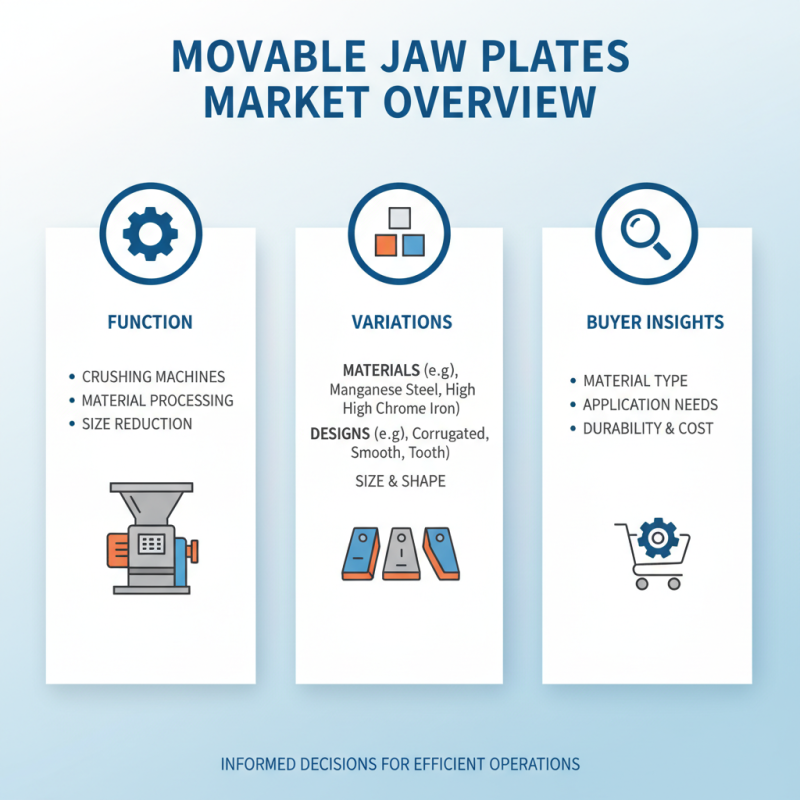
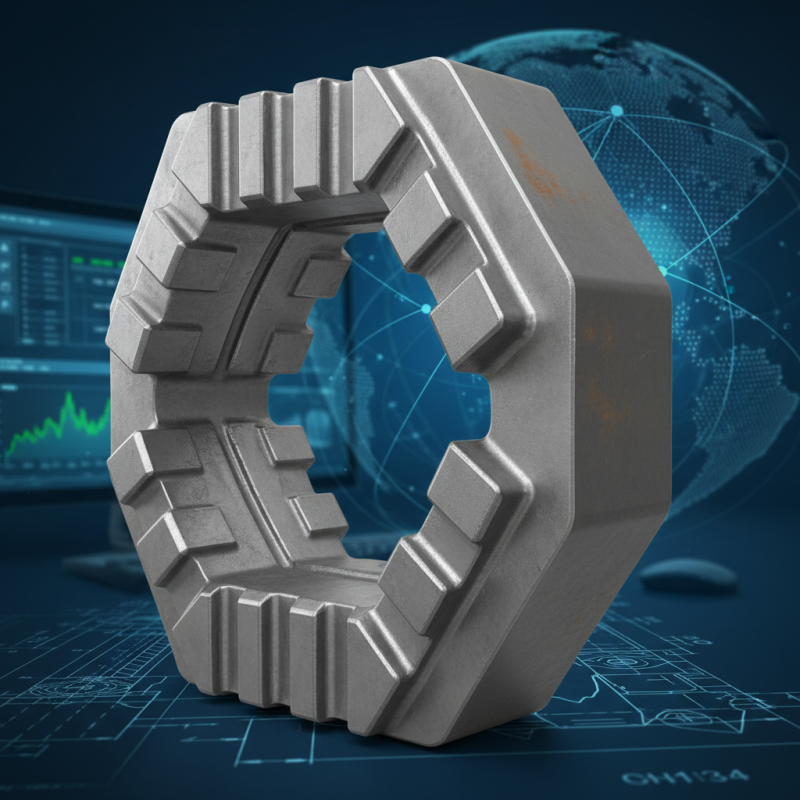
Movable jaw plates play a crucial role in various machines, especially in crushers. These components are essential for the efficient processing of materials. They come in different materials and designs, each serving specific industrial needs. Understanding their market variations helps buyers make informed decisions.
The market offers a range of movable jaw plates. Steel, for example, is frequently used due to its durability. However, some buyers might overlook the advantages of alternative materials like high manganese steel, which offers great wear resistance. Choosing the right material can significantly impact performance and cost-efficiency, factors that should not be taken lightly.
**Tips:**
When selecting a movable jaw plate, consider the specific application. Assess the wear rates of different materials. Regular maintenance plays a key role in the longevity of these plates. Always evaluate your machinery's requirements carefully before making a purchase.
Key Features to Consider When Choosing Movable Jaw Plates
Choosing the right movable jaw plate is crucial for optimizing the performance of jaw crushers. When selecting a movable jaw plate, buyers should consider several key features. The material composition is essential. High manganese steel is commonly used due to its excellent wear resistance. However, the choice should also depend on the specific application and rock type being processed.
Another vital feature is the design and shape of the jaw plate. A well-designed jaw plate can improve crushing efficiency and extend the lifespan. Industry reports indicate that the efficiency can be increased by up to 20% with optimized jaw plate designs. Buyers should also look for plates that offer a good fit with their existing equipment.
Tips: Check for compatibility with your crusher model. Construction materials that match your operational conditions are essential. Regularly assess the wear patterns of your current jaw plates. This can provide insights into the best options for replacement.
Lastly, don't overlook supply chain reliability. Ensuring that the supplier has a solid track record can safeguard against production delays. Investigate the manufacturer's reputation in the industry. Many manufacturers might appear competent but may fall short on quality or support. Trust established suppliers with proven expertise.
2026 Best Movable Jaw Plate for Global Buyers Guide
| Material Type |
Weight (kg) |
Thickness (mm) |
Hardness (HRC) |
Compatibility |
Price Range (USD) |
| High Manganese Steel |
200 |
100 |
HRC 12-14 |
Universal |
$200 - $300 |
| Jaw Crusher Grade Steel |
180 |
90 |
HRC 20-22 |
Specific Models |
$150 - $250 |
| Alloy Steel |
175 |
85 |
HRC 25-28 |
Various |
$220 - $320 |
| Wear-Resistant Composite |
190 |
95 |
HRC 30-32 |
Designed Specificity |
$250 - $400 |
Top Materials Used for Manufacturing Movable Jaw Plates
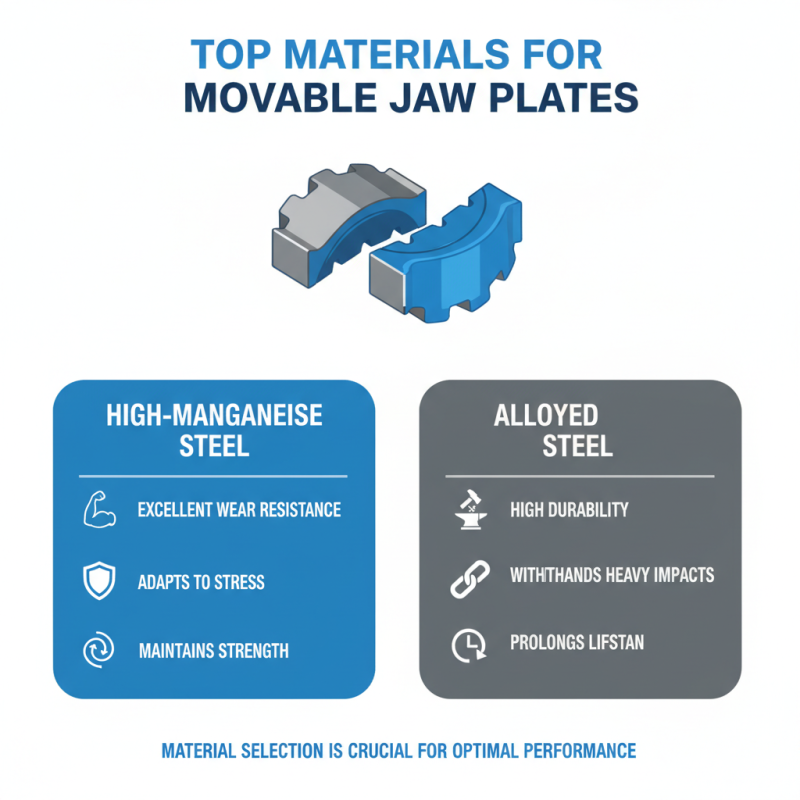
When it comes to designing movable jaw plates, material selection is crucial. Various materials are used in the manufacturing of these plates, each offering unique benefits. Commonly, high manganese steel is favored for its excellent wear resistance. It adapts to different stresses and maintains strength even under severe conditions. Another popular choice is alloyed steel, known for its high durability and toughness. This material can withstand heavy impacts and prolongs the lifespan of jaw plates.
Tips: Consider the operational environment when selecting materials. Harsh conditions might require advanced materials for optimal performance. Regular maintenance can also extend the life of the jaw plates, enhancing their functionality.
Ceramics and composites have gained traction due to their light weight and corrosion resistance. However, they might not provide the same tensile strength as metals. Manufacturers must weigh the advantages and disadvantages. Shifting to non-metallic options could lead to unexpected challenges, such as faster wear rates. Buyers should make informed decisions based on their specific applications and usage scenarios.
Comparative Analysis of Leading Brands in 2026
In 2026, the movable jaw plate market presents a range of options for global buyers. A comparative analysis reveals substantial differences in materials and design among leading brands. According to recent industry reports, the best-performing plates show a notable increase in wear resistance, boasting more than 30% longer lifespan than previous models. This shift reflects a commitment to quality and innovation in manufacturing processes.
The selection criteria for movable jaw plates are evolving. Buyers prioritize enhanced durability over cost savings. The rise of advanced materials such as high manganese steel and alloy composites has redefined performance standards. Statistics suggest that over 70% of manufacturers have incorporated these materials to improve jaw plate functionality. However, not all brands offer consistent quality, highlighting a need for thorough research before purchasing.
Buyer feedback emphasizes the importance of reliable performance metrics. While some brands claim high efficiency, real-world experiences often reveal inconsistencies. Issues such as improper fit or inadequate hardness can lead to premature failures. Detailed user reviews illustrate that understanding specifications can mitigate risks. The market is competitive, and a proactive approach to selection is crucial for buyers aiming for longevity and efficiency in their equipment.
Global Trends and Innovations in Movable Jaw Plate Design
Movable jaw plates are crucial in various industries, from mining to recycling. Innovations in design are reshaping the market. Advanced materials, such as high-strength alloys and composite plastics, enhance durability. According to a recent industry report, over 35% of manufacturers are shifting towards lightweight designs to improve efficiency. These trends underscore the importance of adaptability in a rapidly evolving market.
New manufacturing techniques also impact how jaw plates are made. Processes like 3D printing and Computer Numerical Control (CNC) machining produce precise and customizable parts. As a result, buyers have more options to fit their specific machinery needs. A report from Industry Insights shows that these methods reduce production times by up to 30%. However, not all manufacturers utilize these technologies effectively, which can lead to inconsistencies in product quality.
Tip: When selecting a movable jaw plate, consider the material and manufacturing process. Ensure the supplier offers transparent quality assurance guidelines. The right choice can improve performance and extend the life of your equipment. A thorough evaluation can prevent costly mistakes in the long run.